
Zebra Finch: Professional Breeding & Aviculture Care Manual
The zebra finch ranks as the world’s most popular domesticated finch species, combining remarkable hardiness with prolific breeding capabilities and stunning color diversity. Originating from Australia’s arid interior grasslands, these resilient estrildids have been selectively bred for over 150 years, producing an extraordinary array of mutations while retaining their wild ancestors’ robust constitution. For commercial breeders, exhibition enthusiasts, and hobbyists alike, zebra finches offer unmatched versatility—from large-scale production to specialized mutation development. This professional manual delivers advanced husbandry techniques, genetic management strategies, and troubleshooting protocols essential for maintaining superior breeding colonies and maximizing productivity.
Table of Contents
Quick Facts Overview
| Attribute | Details |
|---|---|
| Scientific Name | Taeniopygia guttata (Australian zebra finch) |
| Common Names | Zebra Finch, Chestnut-eared Finch |
| Size | 10–11 cm (3.9–4.3 inches) |
| Weight | 11–17 grams (males slightly heavier) |
| Lifespan | 5–7 years average; 10+ years possible |
| Sexual Maturity | 3–4 months (breeding optimal at 6+ months) |
| Clutch Size | 4–6 eggs (range 2–8) |
| Incubation Period | 12–14 days (typically 13 days) |
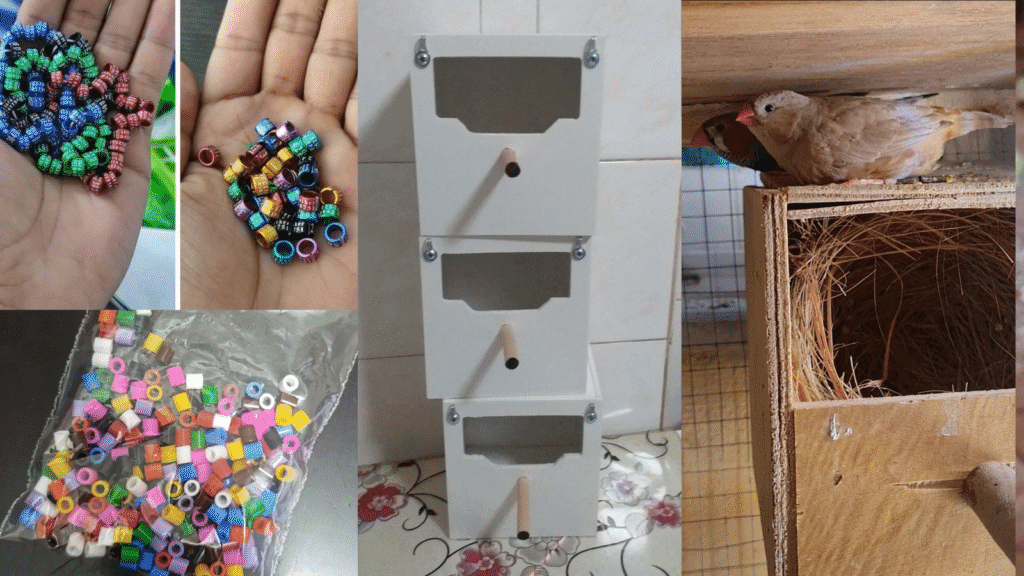
| Banding Timing | Day 5–7 with 2.3mm or 2.5mm bands |
| Fledging Age | 17–21 days (average 18 days) |
| CITES Status | Not listed; widely domesticated |
| Temperament | Bold, active, moderately territorial when breeding |
Sexual Dimorphism & Mutation Identification
Normal Gray Wild-Type
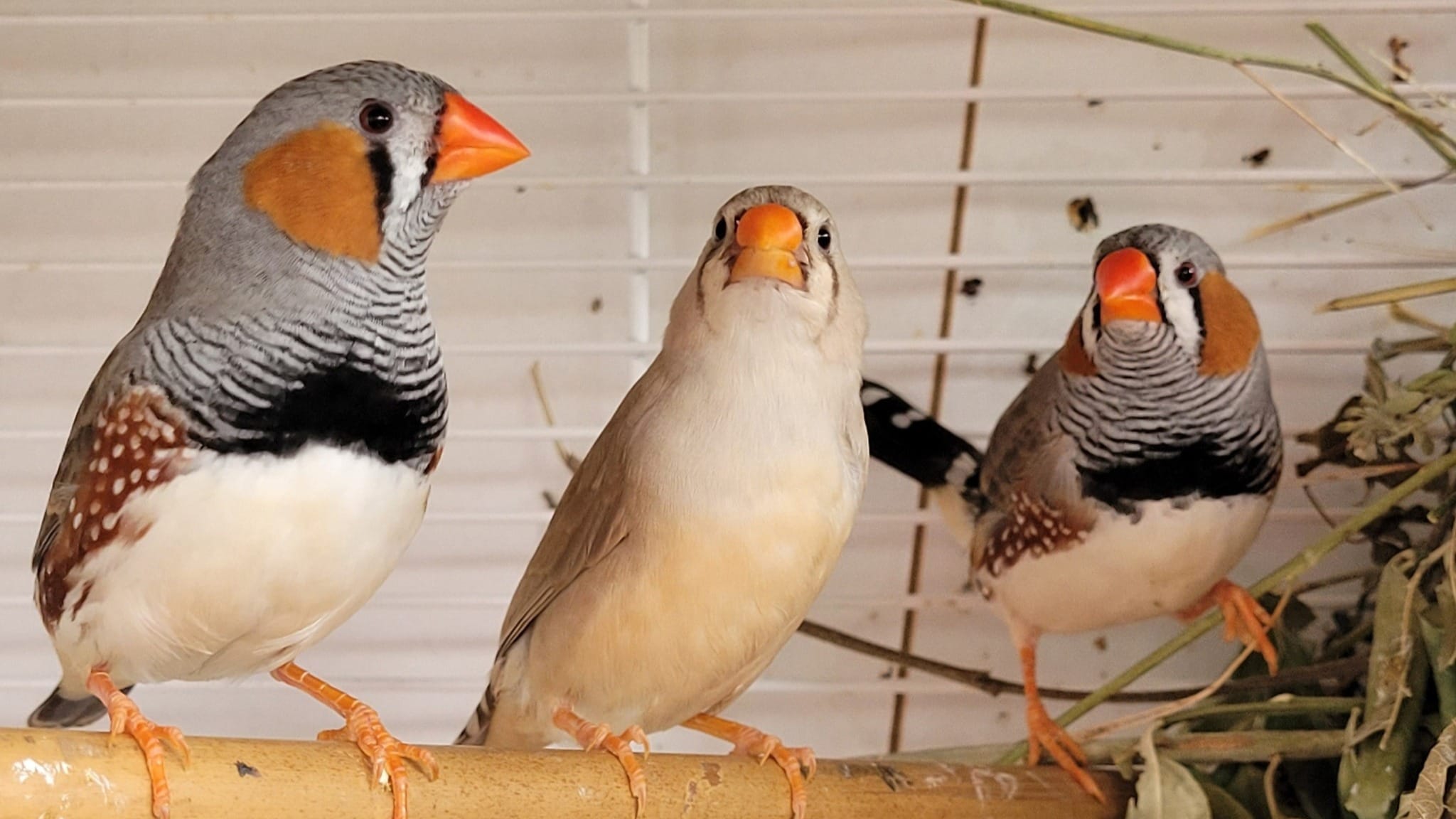
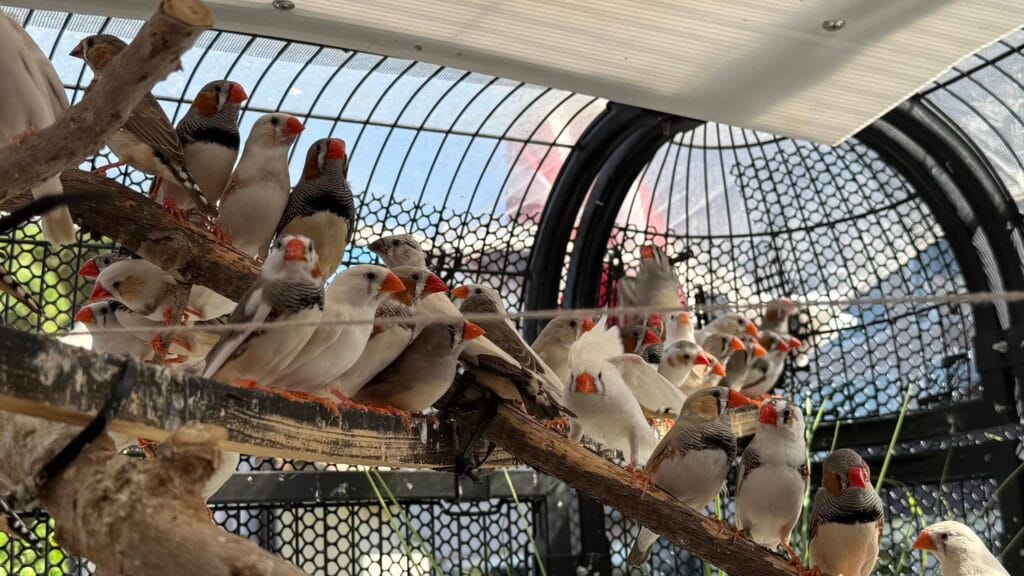
Males: Distinctive gray upperparts with fine black barring, prominent orange cheek patches, black teardrop markings below eyes, zebra-striped throat and upper breast, chestnut flanks with white spotting, and coral-red beak.
Females: Uniform soft gray-brown plumage lacking cheek patches, breast bars, and flank markings. Orange beak (less intense than males).
Mutation Considerations
Over 30 established color mutations complicate sexing in certain varieties:
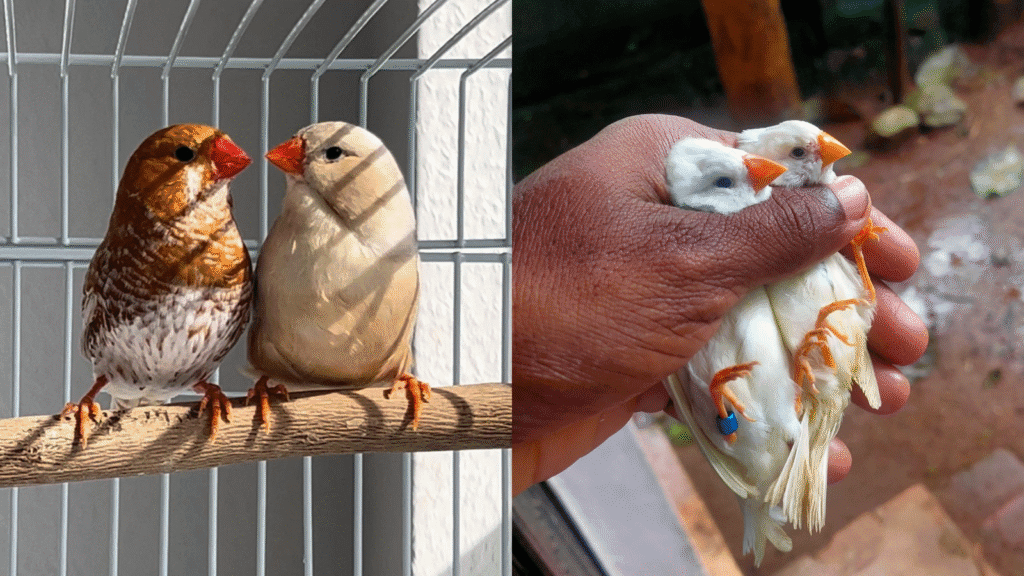
- Fawn, cream, silver: Males show diluted patterns; females remain plain
- White mutations: Males exhibit faint ghost patterns visible under proper lighting
- Pied varieties: Assess remaining colored areas for male characteristics
- Crested mutations: Sex-linked; crested females × normal males produce crested daughters
Juvenile birds resemble females with black beaks until first molt (6–8 weeks), when males develop adult plumage and orange-red beak coloration.
Diet in Natural Habitat & Captive Settings
Wild Feeding Ecology
Australian zebra finches inhabit semi-arid grasslands, feeding opportunistically on seeding grasses (Triodia, Spinifex, annual grasses), requiring minimal water due to efficient kidney function and metabolic water production from seed digestion.
Advanced Captive Nutrition
Premium Seed Mix Components:
- White proso millet (40%), red/yellow millet (30%), canary seed (15%), panicum millet (10%), Japanese millet (5%)
- Avoid mixes containing excessive hemp, niger, or large seeds inappropriate for zebra finch physiology
Performance-Enhancing Supplements:
Sprouted seeds (daily during breeding): Activates enzymes, increases vitamin content 300–500%, improves fertility rates
Conditioning foods: High-protein egg food fortified with spirulina, bee pollen, or wheat germ oil 2–3 weeks pre-breeding
Live prey: Micro mealworms, fruit fly cultures—optional but dramatically improve chick growth rates in exhibition breeding
Vegetable matter: Broccoli, kale, grated carrot, seeding grasses (provide variety; rotate offerings)
Mineral supplementation: Separate dishes of crushed oyster shell, charcoal grit, and mineralized grit; cuttlebone mounted accessible to all birds
Water management: Change daily; add probiotic supplements 2–3 times weekly during breeding season to support gut health and immune function.
Housing Systems & Aviary Configuration
Breeding System Selection
Cage Breeding (controlled lineage tracking):
- Minimum 60cm L × 40cm W × 40cm H per pair
- Ideal for mutation development and pedigree documentation
- Allows precise genetic planning and individual pair management
Colony Breeding (production-focused):
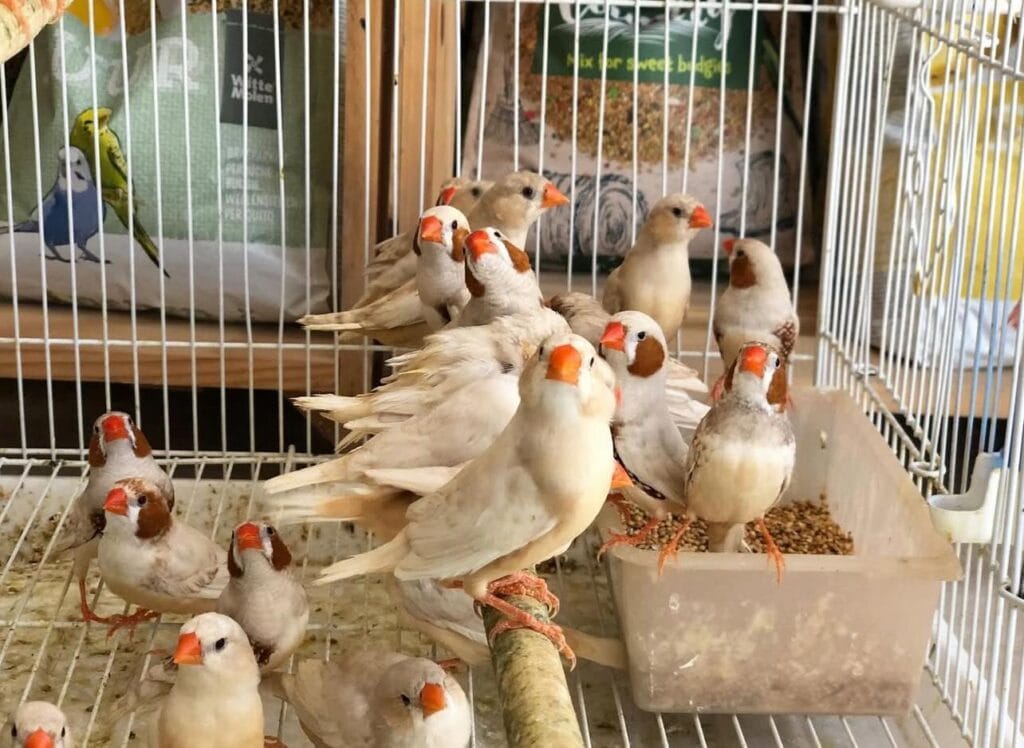
- Minimum 2.5m L × 1.5m W × 2m H for 12–15 birds
- Higher overall productivity but genetic tracking challenging
- Requires careful monitoring for aggression and excessive inbreeding
Flight Breeding (semi-commercial):
- Large flights (4m+ length) housing 20–30 birds
- Natural pair selection improves fertility
- Excellent for maintaining vigor in established mutations
Environmental Optimization
Perch Architecture: Install perches creating distinct height zones (territorial spacing). Use 9–12mm diameter natural branches or grooved dowels positioned to maximize flying space.
Nesting Site Distribution: Mount nestboxes at varying heights and locations, minimum 30cm apart. Provide 1.5× boxes to pairs, reducing competition and site aggression.
Temperature Parameters: Zebra finches tolerate 10–32°C (50–90°F) but breed optimally at 20–24°C (68–75°F). Maintain minimum 15°C (59°F) to prevent breeding interruption.
Humidity Control: Ideal 40–60% relative humidity. Higher humidity (60–70%) during hatching improves hatch rates by preventing membrane desiccation.
Ventilation Requirements: Adequate airflow without drafts essential. Poor ventilation increases respiratory disease susceptibility despite zebra finch hardiness.
Photoperiod Manipulation: 14 hours light stimulates breeding; reduce to 10–11 hours to induce seasonal rest in over-productive birds.
Nestbox Types & Breeding System Management
Nest Structure Options
Enclosed wooden boxes: 12cm L × 12cm W × 12cm H with 4cm entrance, most popular for controlled breeding
Wicker basket nests: 10–12cm diameter, preferred by some pairs; secure firmly to prevent tipping
Plastic nest cups: Commercial options acceptable; ensure adequate ventilation holes
Open platforms: Rarely used; some pairs build exposed nests on cage tops (not recommended for serious breeding)
Nesting Material Strategy
Provide coconut fiber, dried grass (8–15cm lengths), jute string, and sisal. Zebra finches build substantial nests with entrance tunnels. Avoid synthetic materials, cotton, or pet hair (entanglement risk).
Breeding Protocol & Cycle Management
Pre-Breeding Conditioning (4–6 weeks): Gradually increase protein, introduce sprouted seeds daily, extend photoperiod to 14 hours, and allow pairs to select mates in colony situations.
Pairing Strategy: Allow 7–10 days for pair bonding before introducing nestbox. Males perform courtship songs and dances; receptive females solicit with crouched posture.
Egg Laying & Incubation: Females typically lay one egg daily (morning) until clutch complete. Both parents incubate, though females perform majority. Avoid disturbing pairs first 5 days.
Chick Development Stages:
- Days 1–4: Naked, pink, eyes sealed
- Days 5–7: Pin feathers emerge, band application window
- Days 8–12: Rapid feather development, eyes open day 9–10
- Days 13–17: Feathers fully emerged, highly vocal
- Days 18–21: Fledging occurs; parents feed 7–14 additional days
Productivity Management: Zebra finches breed continuously if permitted. Limit pairs to 3 clutches per 6-month period, then enforce rest by separating sexes 6–8 weeks minimum. Over-breeding causes hen exhaustion, poor-quality chicks, and reduced lifespan.
Aviculture History & Genetic Conservation
Zebra finches entered European aviculture around 1840, with first documented breeding success in 1850s. Their exceptional adaptability enabled mutation development unparalleled in estrildid finches.
Major Mutation Categories
Established mutations: Fawn, white, pied, penguin, black-face, black-breast, light-back, crested, cream, silver, black-cheek, orange-breast
Sex-linked traits: Some mutations linked to sex chromosomes, enabling predictable inheritance patterns valuable for breeding programs
Combination mutations: Breeders create new varieties combining multiple mutations (e.g., Black-Faced Fawn Penguin)
Genetic Management Principles
Maintain detailed breeding records documenting parents, hatch dates, band numbers, and mutation inheritance. Outcross to unrelated lines every 4–5 generations preventing inbreeding depression. Select breeding stock emphasizing vigor, fertility, and proper type over purely aesthetic traits. Cull poor parents (egg eaters, abandoned clutches, weak chicks) promptly.
Health Protocols, Parasites & Disease Management
Preventive Medicine Program
New Bird Quarantine: Minimum 30 days isolation with fecal testing for parasites and observation for respiratory symptoms, lethargy, or abnormal droppings.
Routine Parasite Control:
- Internal parasites: Fenbendazole treatment every 3–4 months
- Air sac mites: Monitor for respiratory clicking; ivermectin treatment if confirmed
- Coccidiosis prevention: Maintain dry conditions; treat prophylactically during stress periods
Vaccination: No finch vaccines available; rely on hygiene and biosecurity.
Common Breeding-Related Issues
Soft-Shelled/Misshapen Eggs: Calcium deficiency or first-time layers. Increase cuttlebone access and crushed oyster shell availability.
Egg Abandonment: Environmental disturbance, nutritional inadequacy, or inexperienced pairs. Provide privacy, enriched diet, and consider fostering eggs to experienced pairs.
Chick Mortality: Insufficient protein during rearing, parental inexperience, genetic weakness, or environmental stress. Ensure abundant egg food and sprouted seeds during entire rearing period.
Feather Plucking in Juveniles: Usually parent-inflicted when new clutch started. Remove fledged juveniles to separate cage at 35 days.
Scaly Face/Leg Mites: Crusty lesions on cere, feet, or legs. Treat with ivermectin; highly contagious, isolate affected birds immediately.
Respiratory Infections: Sneezing, nasal discharge, labored breathing. Often bacterial; requires veterinary diagnosis and antibiotic treatment.
Professional Breeder’s Strategic Checklist
✓ Genetic database: Implement digital record-keeping (specialty software or spreadsheets) tracking lineage 5+ generations
✓ Culling criteria: Establish clear standards; remove poor parents and inferior stock ruthlessly
✓ Pair rotation: Rest proven breeders alternate seasons; rotate into breeding program strategically
✓ Exhibition preparation: Condition show birds separately with specialized diet 8–10 weeks pre-show
✓ Mutation projects: Plan multi-year breeding strategies for combining desired traits
✓ Foster parent backup: Maintain Society finch colonies for emergency fostering valuable zebra finch clutches
✓ Environmental monitoring: Log temperature, humidity, and breeding performance correlations
✓ Biosecurity measures: Foot baths, dedicated clothing, isolated new bird housing
✓ Supplementation timing: Peak protein provision days 8–18 of chick development maximizes growth
✓ Seasonal cycling: Force off-season rest in productive birds to extend breeding lifespan
✓ Band inventory: Maintain 2-year supply of proper-sized bands with breeder codes
✓ Market research: For commercial operations, assess mutation demand trends annually
Faq
Q: How many clutches can zebra finches safely raise annually?
A: Limit pairs to 3–4 clutches per year maximum, followed by minimum 6-week rest period. Continuous breeding exhausts hens, causing reduced egg quality, poor chick vigor, and shortened lifespan. Separate sexes to enforce rest periods for over-productive pairs.
Q: Why won’t my established zebra finch pair breed anymore?
A: Common causes include over-breeding exhaustion, nutritional deficiency (especially calcium/protein), photoperiod too short (<12 hours), environmental stress, age (8+ years), or pair incompatibility. Provide 8-week rest, enriched conditioning diet, verify 14-hour photoperiod, and consider re-pairing if no improvement.
Q: Can different zebra finch mutations be housed together in colonies?
A: Yes, all mutations are same species with compatible temperaments. However, mixing mutations complicates genetic tracking and produces unpredictable offspring. Serious breeders maintain separate colonies for each mutation project to preserve genetic purity and predictable outcomes.
Q: What’s the best strategy for developing new color mutations?
A: Start with proven mutation genetics understanding. Selectively breed birds showing desired traits over 4–6 generations, line-breeding to fix characteristics. Outcross periodically to maintain vigor. Document all pairings meticulously. Expect 3–5 years minimum to establish stable, breeding-true mutations. Consult estrildid genetics resources before beginning mutation projects.