
Parrot Breeding: Expert Guide to Incubation, Weight Management & Hatch
The world of parrot breeding is an endeavor that demands scientific precision, meticulous planning, and unwavering attention to detail. Moving past simple pet ownership requires a breeder-oriented approach, transforming guesswork into a predictable, successful process. This comprehensive guide summarizes the essential protocols—from preparing your flock and engineering the ideal incubation environment to managing fragile chicks—ensuring high productivity and maximum chick viability.
Table of Contents
Phase 1: Pre-Incubation – Setting the Foundation for Success
A thriving parrot breeding program begins long before the first egg is laid. Foundational care, genetics, and nutrition are non-negotiable.
1.1 Flock Management and Pairing
The first step is confirming you have a fertile pair, as most parrots are not dimorphic (visually distinct sexes). Two birds of the same sex may set up housekeeping and copulate, but they will never produce a chick.
- Sexing is Essential: Use surgical or chromosome feather sexing by a competent avian veterinarian to confirm gender.
- Housing Matters: Flight cages are advisable for heavy species to prevent excessive weight gain, as overweight birds are notoriously poor breeders.
- Managing Problem Parents: Egg eaters require close monitoring. You can learn specific tactics for handling difficult parents, such as managing egg-eating parrots, by substituting infertile or ceramic eggs to distract the hen.
1.2 The Core of Parrot Breeding: Flawless Nutrition
The embryo receives all required nutrients exclusively from the egg, making the parent bird’s diet the single most important factor for hatchability and chick health.
- The Calcium Crisis: Deficiency in calcium can cause the hen to draw the mineral from her skeletal structure, leading to weakness and potentially fatal egg-binding.
- Nutritional Disorders: Lack of Vitamin D hinders calcium absorption, leading to disorders like rickets and congenital deformities in chicks, including twisted legs, deformed beaks, and permanent organ damage. If you want to learn more about preventing these issues, consult our detailed guide to preparing your parrots for a successful breeding season.
Phase 2: Engineering Perfection – The Incubation System
Artificial incubation, whether as a primary method or a contingency plan, must be meticulously controlled to simulate the natural environment.
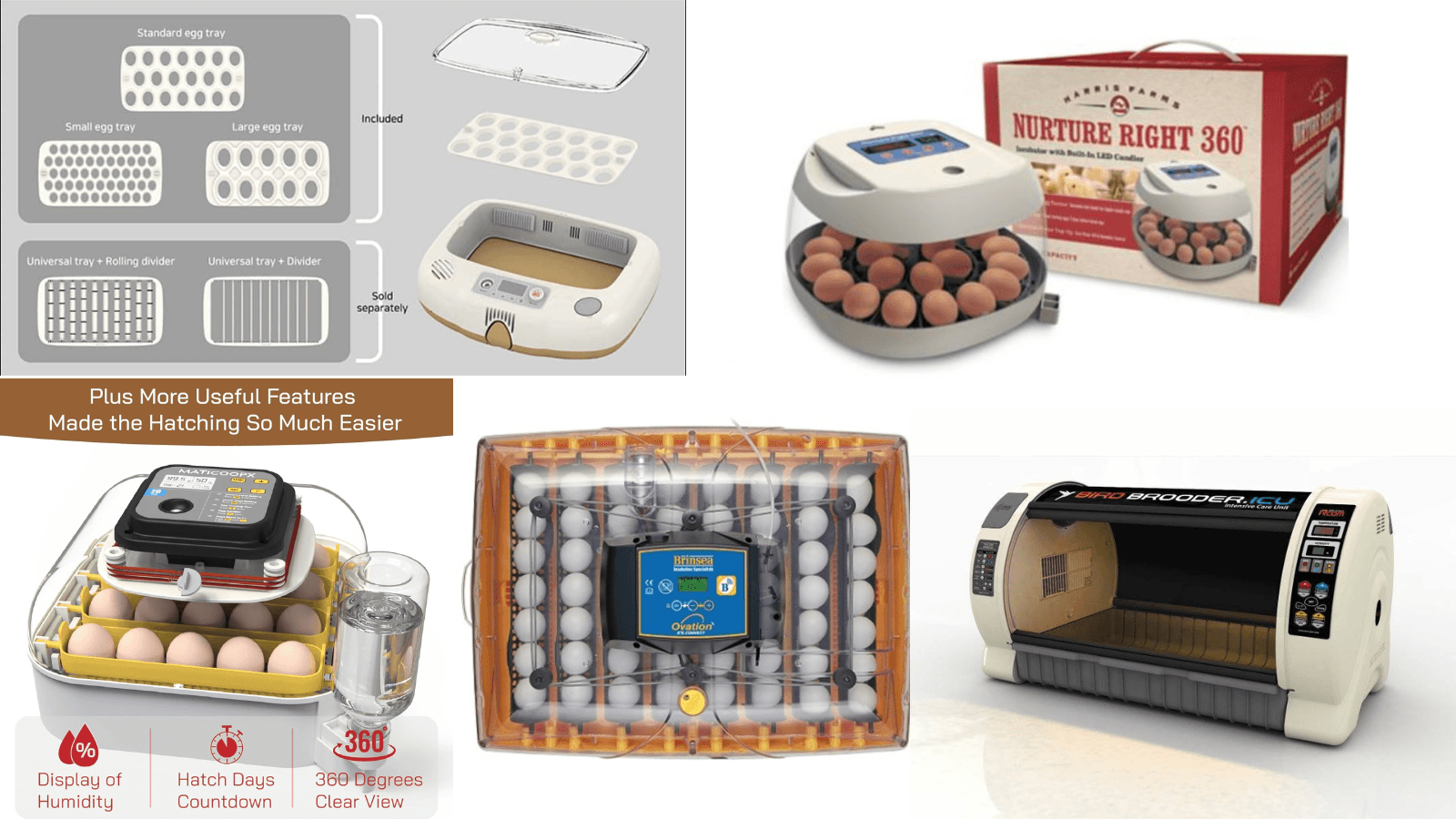
2.1 Optimal Environment and Equipment
The incubation system requires precise temperature control and a sanitary environment.
- Incubator Choice: Forced-air models are preferred because they maintain a steadier, more uniform temperature distribution inside the cabinet.
- Thermostat Accuracy: Solid-state thermostats are highly accurate and recommended over wafer-type models. If you need detailed steps on selecting the correct machinery, read our guide to equipping a professional hatcher room.
- Contingency Planning: Invest in a generator or prepare a network of broody chicken surrogates to manage long power failures. Vibrations are a deadly threat in early development; ensure the incubator is perfectly level and stable.
2.2 The Precision of Egg Weight Management
Weight management is the only reliable, measurable tool to ensure the embryo transpires the correct amount of fluid throughout incubation.
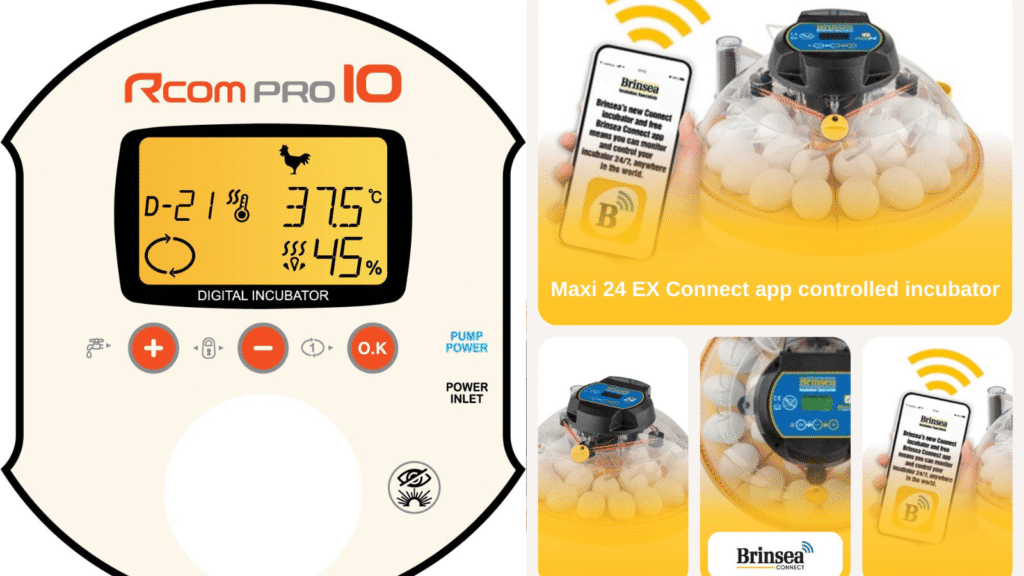
- Humidity is Control: The wet bulb temperature directly regulates the rate of fluid loss. To achieve precision, calculating optimal parrot egg weight loss is essential for every egg.
- The Weight Target: Knowing the relationship that higher wet bulb = lower weight loss and lower wet bulb = higher weight loss is key to making calculated adjustments. This prevents the two most common causes of death in eggs: drowning and dehydration.
Phase 3: Hatching, Assistance, and Analysis
The final phase involves high-stakes intervention and the necessary post-mortem analysis to perfect the next parrot breeding cycle.
3.1 The Assisted Hatching Protocol
The hatching process begins with drawdown (internal pip), signaling the chick’s move to the air cell. If a chick is stuck, you must know how and when to intervene for upside-down and stuck chicks.
- Intervention Rule: Only intervene if 48 hours have passed since external pip with no progress.
- Safe Rescue: Do not intervene if blood vessels are still visible. Once rescued, inspect the navel. Never pull or cut an unabsorbed yolk sac.
- Managing Malposition: Upside-down chicks require emergency air by placing a pinhole in the large end of the shell to relieve internal pressure.
3.2 Learning from Failure (Necropsy)
Every failed hatch is diagnostic information. Analyzing dead-in-shell chicks reveals where the incubation system failed. To accurately decode the dead-in-shell, you must recognize failure symptoms:
- Drowning (Wet Hatch): The chick will be soft and swollen with edema (excess fluids). Diagnosis: Wet Bulb temperature too high.
- Overheating: The embryo will appear bright red, as if the blood vessels under the skin have burst. Diagnosis: Dry Bulb temperature too high.
- Turning Errors: Blood ring development (separated blood around the yolk) is the classic sign of an early death due to trauma or inadequate turning.
FAQ
Q1: What is the most critical nutritional element to prevent deformities in parrot chicks?
A1: Calcium and Vitamin D$_{3}$. Deficiency leads to soft eggshells, rickets, and severe bone abnormalities in chicks, requiring constant monitoring of the parent birds’ diet.
Q2: How do I manage an egg that is losing too much or too little weight in the incubator?
A2: Adjust the humidity (wet bulb temperature). If it’s losing too much (too dry), increase humidity or place the egg in a sealed plastic bag. If it’s losing too little (too wet), lightly sand the shell or create a pinhole over the air cell to increase transpiration.
Q3: When should I intervene to help a chick hatch, and what is the key rule?
A3: Intervene if the chick has made no progress 48 hours after external pip. The key rule is to only proceed when the blood vessels on the inner membrane have receded. Opening the egg prematurely risks fatal bleeding or rupturing the yolk sac.
Q4: Can chickens be used as reliable surrogates in my parrot breeding program?
A4: Yes. Broody chickens, like Cochin Bantams, are highly reliable natural incubators. Eggs must be pulled approximately five days before expected hatch and moved to a mechanical hatcher for the final, most sensitive stage.