
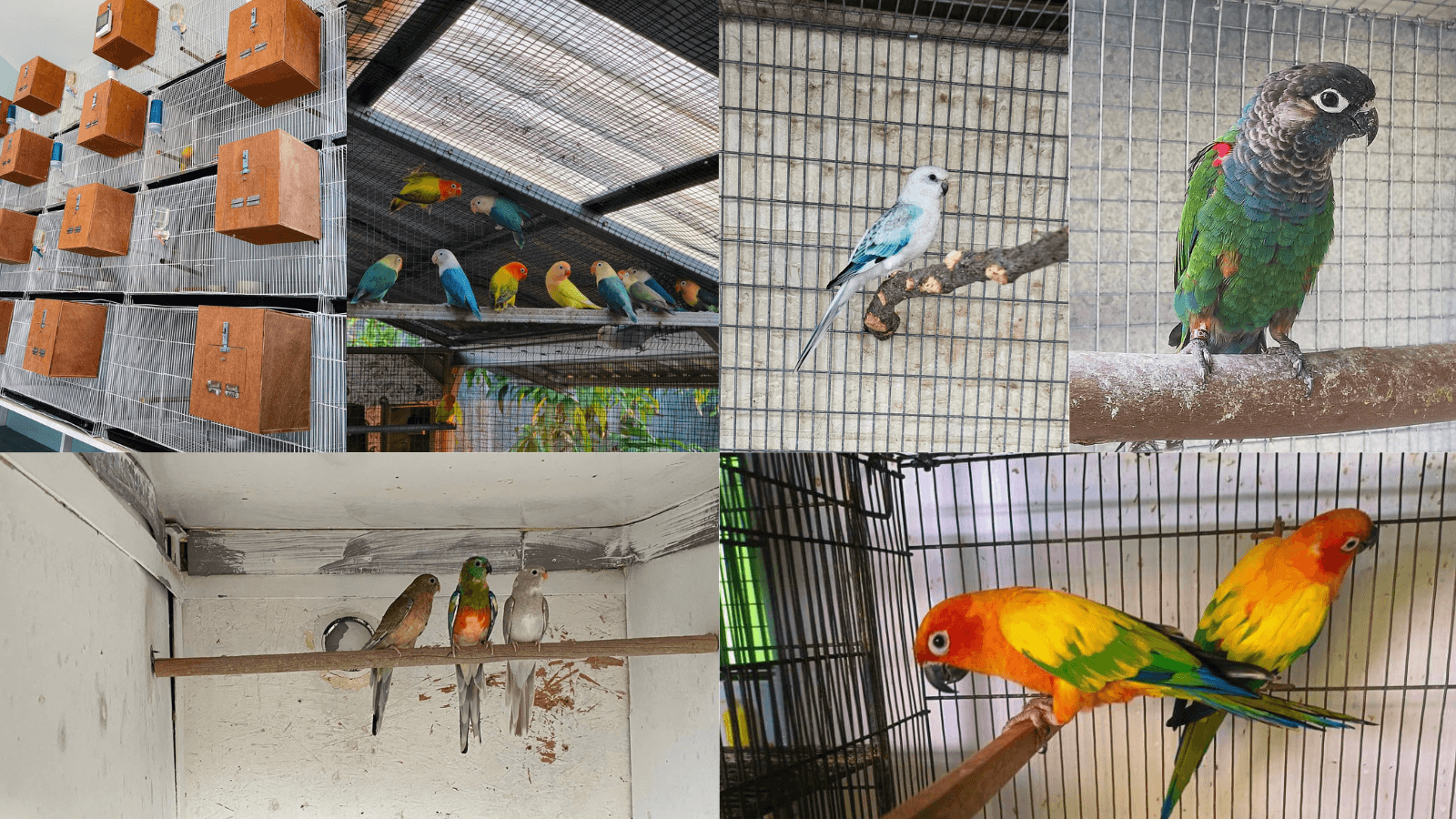
Parakeet Cage: How to Prepare a Perfect Colorful Parakeet Habitat
Table of Contents
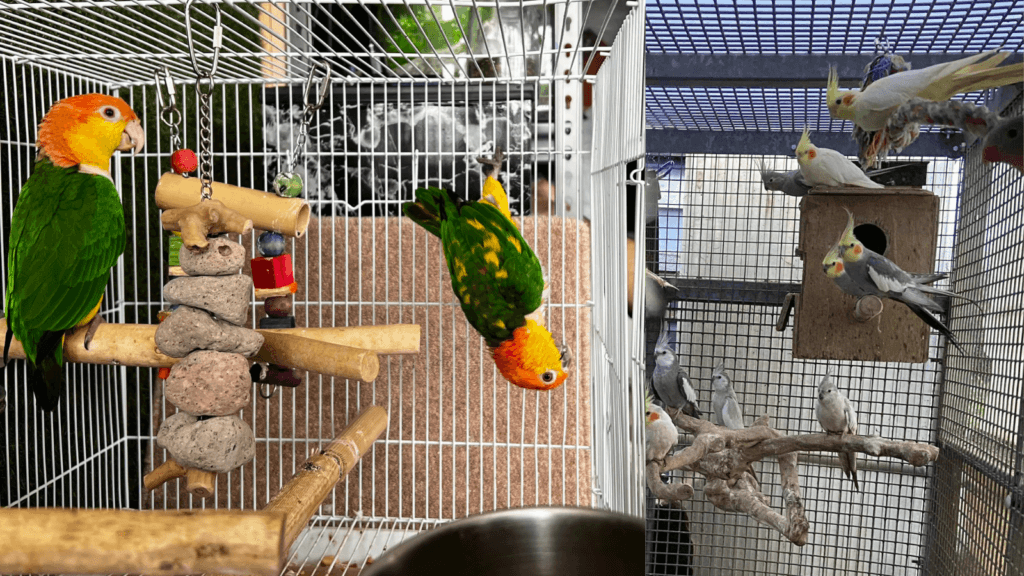
Introduction
Welcoming a parakeet into your home is an exciting experience that begins with creating the perfect living space. Selecting the right parakeet cage forms the foundation of your bird’s health and happiness, while thoughtfully chosen parakeet cage accessories transform that space into a stimulating environment where your feathered friend can thrive. This comprehensive guide walks you through the process of creating an ideal habitat that meets all of your parakeet’s needs – from safety and comfort to entertainment and enrichment. Whether you’re a first-time bird owner or looking to upgrade your current setup, these insights will help you create a space your parakeet will be delighted to call home.
Step-by-Step Instructions
1. Select the Right Housing
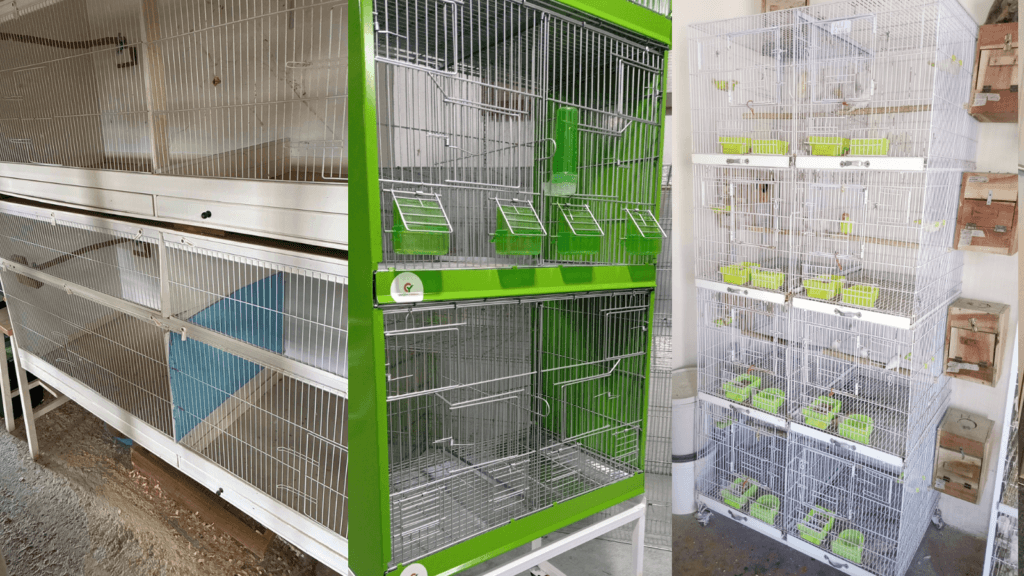
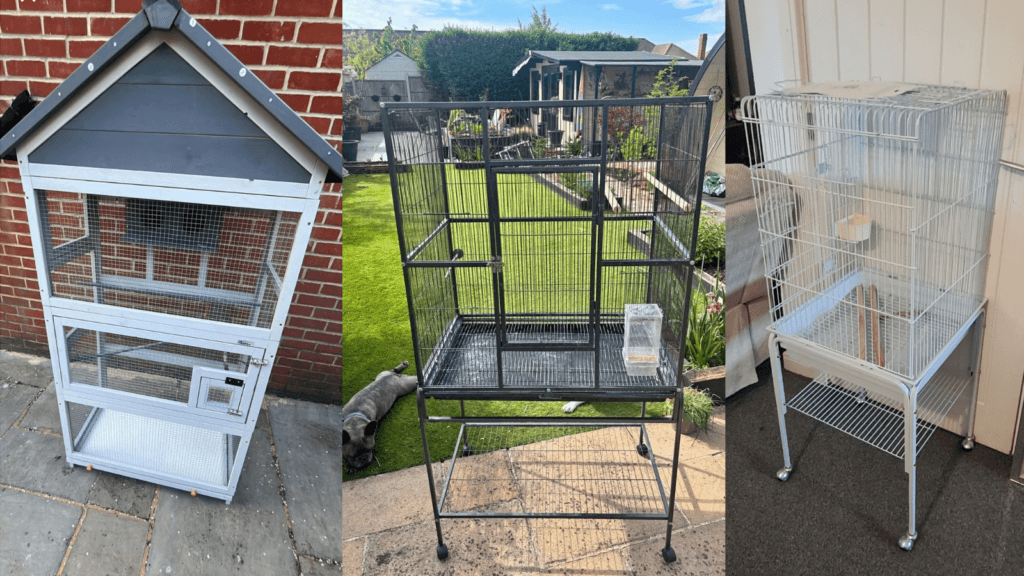
Begin by choosing an appropriately sized parakeet cage that allows your bird to move freely. The minimum dimensions should be 18 inches 45.72cm wide, 18 inches 45.72cm deep, and 24 inches 60.96 cm high , though larger is always better. Ensure the bar spacing is no more than ½ inch to prevent escapes or injuries. Horizontal bars are preferable as they allow for climbing. A rectangular cage with a play area on top provides the ideal combination of living space and entertainment zone.
2. Position Your Cage Strategically
Place the cage in a room where your parakeet can participate in family activities without being overwhelmed. Choose a location away from drafts, direct sunlight, and kitchen fumes. Position it against a wall to provide security while allowing your bird to observe its surroundings. Elevate the cage on a stand to keep your parakeet at eye level, which reduces stress and facilitates interaction.
3. Install Essential parakeet cage accessories
Equip the cage with properly sized perches of varying diameters (½ to ¾ inch) and materials to promote foot health. Install food and water dispensers in accessible locations that minimize contamination. Add a mineral block and cuttlebone for beak maintenance and calcium. Include a shallow bathing dish that your parakeet can use for regular grooming.
4. Create Activity Zones
Arrange the cage interior to create distinct areas for feeding, sleeping, and playing. Position perches at different heights to encourage natural movement. Install a few well-secured toys that provide mental stimulation while ensuring enough open space remains for flight and exercise. Rotate toys regularly to maintain interest and prevent boredom.
5. Establish a Cleaning Schedule
Implement a cleaning routine with daily spot cleaning of cage liners, food and water containers. Perform weekly cleanings of perches and toys, and monthly deep cleanings of the entire cage with bird-safe disinfectants. Choose cage materials and designs that facilitate easy cleaning to maintain a hygienic environment.
Tips
Enrichment Ideas
• Introduce puzzle toys that dispense treats to stimulate problem-solving abilities
• Add a variety of textures through rope perches, swings, and natural wood items
• Create foraging opportunities by hiding treats in specially designed toys
• Install a mirror (in moderation) to provide companionship for single birds
• Incorporate bells, chimes, and interactive toys that respond to movement
Safety Considerations
• Avoid zinc and lead in all cage components and accessories
• Inspect toys regularly for damage and replace them when worn
• Select non-toxic plants if incorporating greenery near the cage
• Ensure all toys are securely fastened to prevent accidents
• Use bird-safe cleaning products only, rinsing thoroughly after cleaning
Seasonal Adjustments
• Provide additional warmth during winter months with cage covers
• Increase bathing opportunities during dry seasons or when heating is in use
• Adjust light exposure seasonally to maintain natural rhythms
• Modify toy selections based on observed seasonal preferences
• Consider a cage position change if seasonal sunlight patterns change
Alternative Methods
Free-Range Options
Instead of a traditional cage setup, consider a bird-safe room where your parakeet can fly freely during supervised periods. Install wall-mounted perches, play stations, and feeding areas. This approach requires thorough bird-proofing to remove hazards while providing ample enrichment opportunities.
Aviary Approach
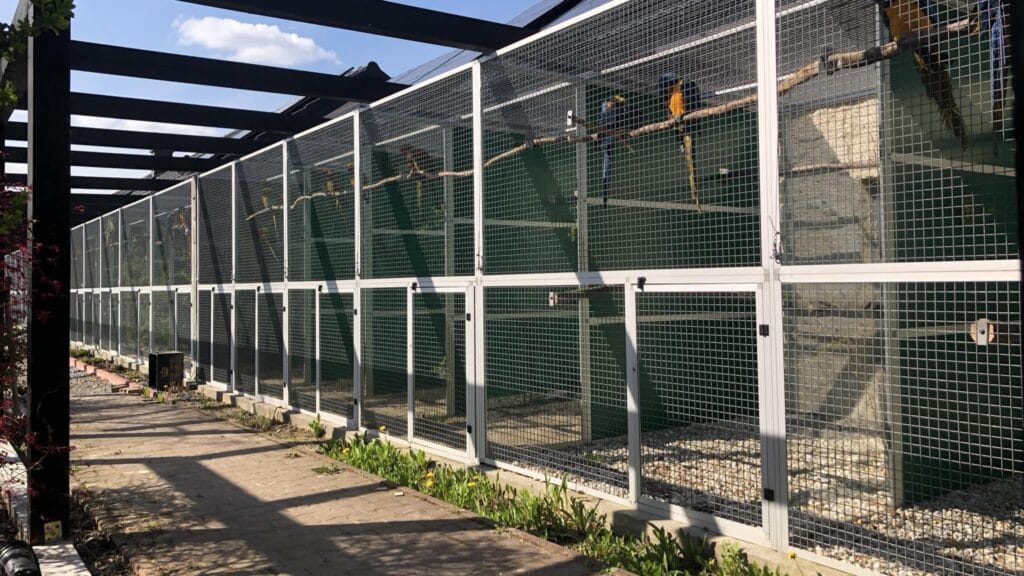
For those with space, consider a walk-in aviary that provides significantly more flying space. This approach allows for a more natural environment with multiple birds, live plants, and elaborate perching systems. Aviaries can be indoor, outdoor (in suitable climates), or a combination with access to both environments.
Minimalist Design
Some bird owners prefer a minimalist approach focused on quality over quantity. This method emphasizes a few high-quality, natural items rather than numerous toys. It typically features branches from bird-safe trees, simple wooden toys, and open space for movement, creating a less cluttered environment.
Conclusion
Creating the perfect habitat for your parakeet involves thoughtful consideration of both their physical and psychological needs. The right parakeet cage provides the foundation for safety and comfort, while carefully selected parakeet cage accessories enrich your bird’s daily experience. Remember that your parakeet’s habitat is a dynamic space that should evolve with your bird’s changing preferences and needs. By observing which elements your parakeet engages with most enthusiastically, you can continually refine their environment to maximize their well-being. With proper setup and regular maintenance, you’ll create a stimulating sanctuary where your feathered companion can thrive for years to come.
❓ Frequently Asked Questions (FAQ)
1. What is the minimum size required for a parakeet cage?
The minimum recommended size for a single parakeet cage is 18 inches wide, 18 inches deep, and 24 inches high (45.72 cm x 45.72 cm x 60.96 cm). However, for your parakeet’s health and happiness, always choose the largest cage you can accommodate to allow ample space for flight and movement.
2. What is the safest bar spacing for a parakeet cage?
The bar spacing on a parakeet cage should be no more than 1/2 inch (1.27 cm). This narrow spacing prevents your parakeet from squeezing its head between the bars, which is a serious injury risk. Horizontal bars are preferred as they assist the bird in climbing.
3. What essential accessories must I include in my parakeet’s cage?
Essential accessories include varying sizes and materials of perches to promote foot health, properly sized food and water dispensers, a cuttlebone or mineral block for beak maintenance and calcium, and a bathing dish or bath box. You must also include at least two or three stimulating toys that are rotated regularly.
4. How often should I clean my parakeet’s cage?
You should perform daily spot cleaning of the cage liner, and food/water dishes. A weekly cleaning is necessary for all perches and toys, and a monthly deep cleaning of the entire cage structure with bird-safe disinfectants should be performed to maintain a hygienic environment.