
Mosaic Canary Breeding & Care: The Ultimate Professional Guide
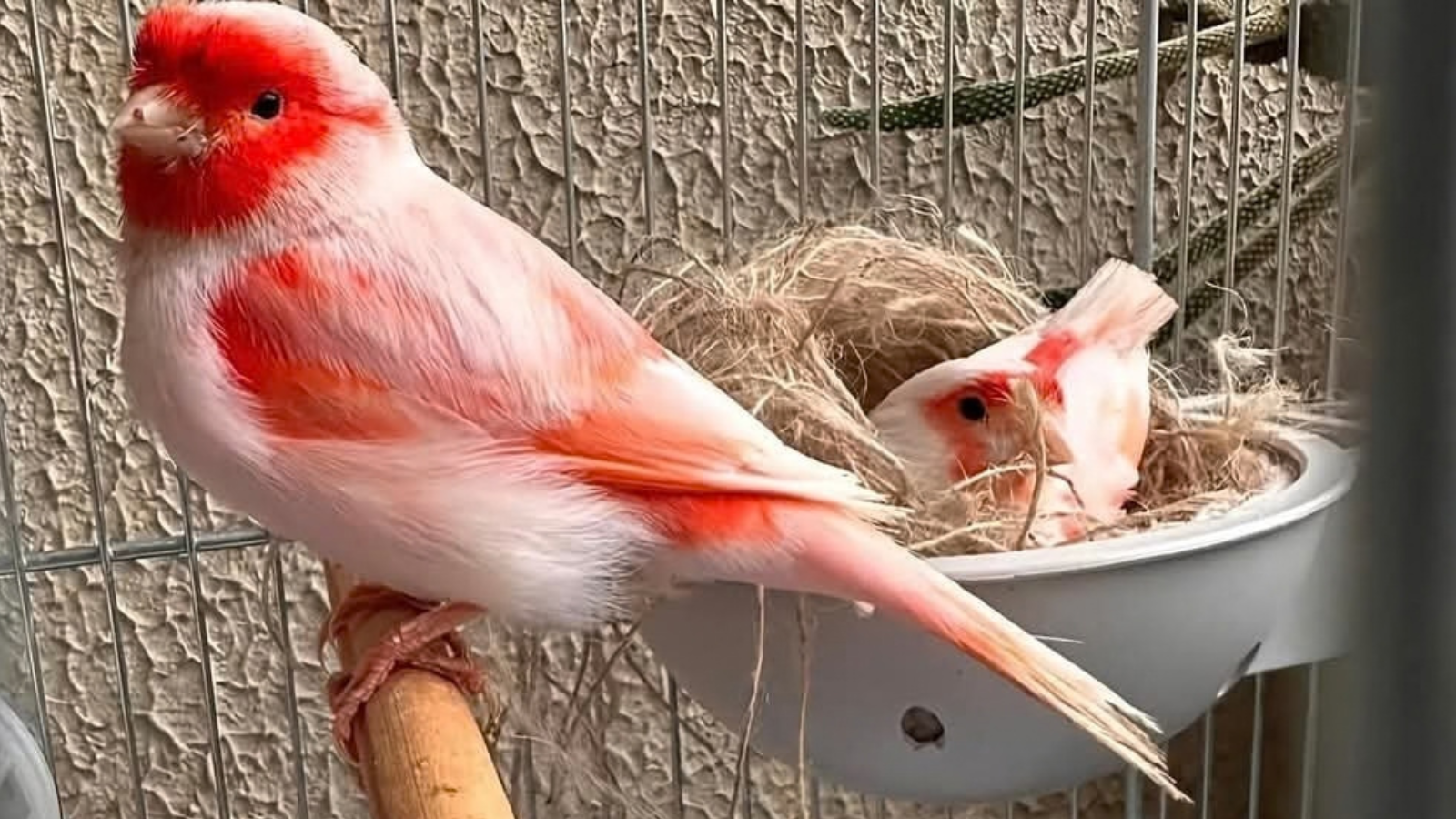
As a breeder, mastering the Mosaic Canary requires a deep understanding of genetic standards and precise nutritional management. Unlike other varieties, the Mosaic Canary is judged primarily on its unique dimorphic plumage, where intense lipochrome is restricted to specific “election zones” against a chalky white background. This guide provides a professional framework for successfully raising and breeding these specialized birds.
Table of Contents
Understanding Mosaic Canary Standards
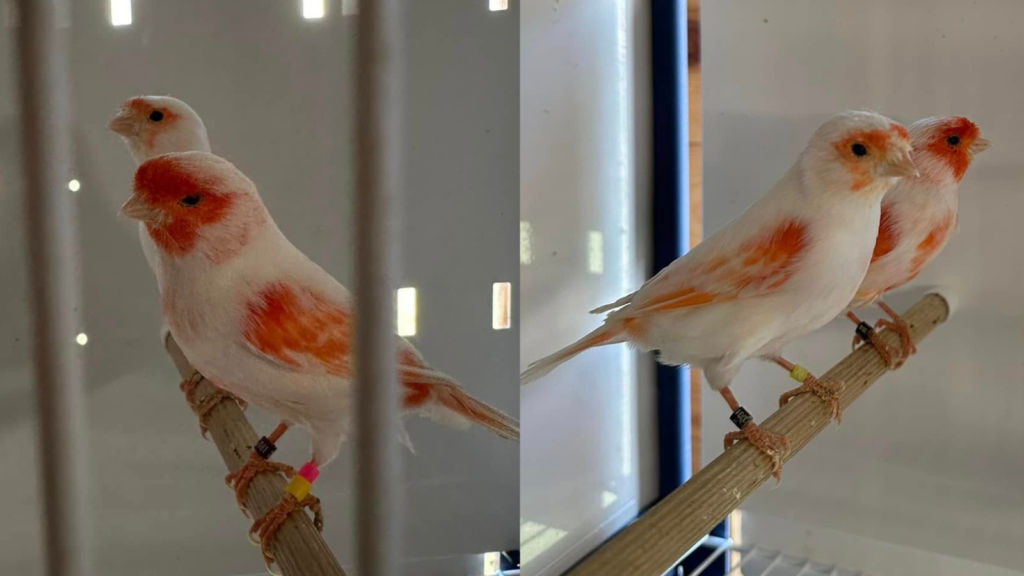
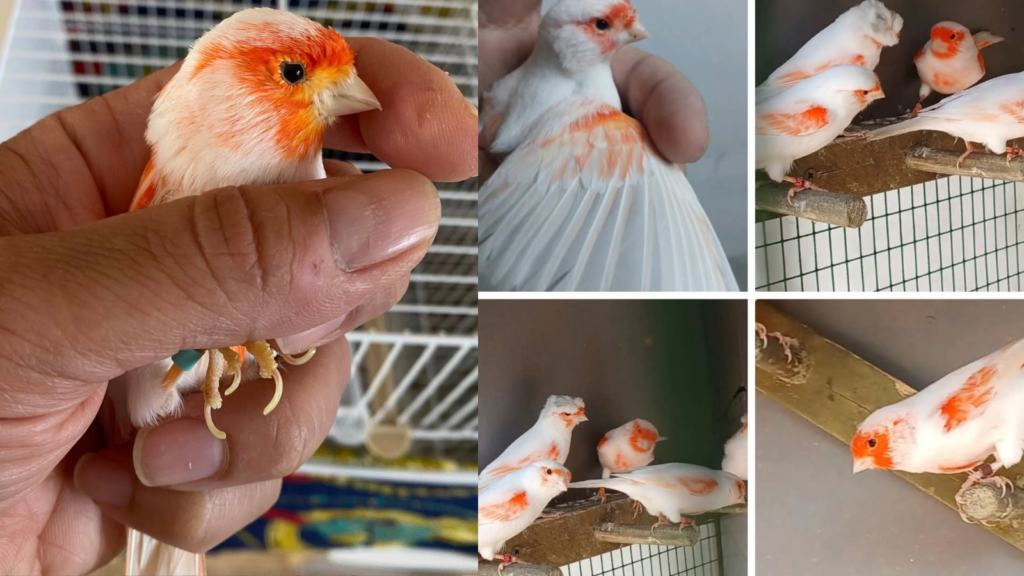
The hallmark of a high-quality Mosaic Canary is the contrast between its vibrant color points and its snowy-white body. According to the latest O.M.J. standards, excellence is defined by the purity of the chalky white plumage and the intensity of the color in the following zones:
- Type 1 (Female): Features a fine, well-colored eye line and intense color on the shoulders and rump. The chest should show only a slight tint that does not bleed into the throat or flanks.
- Type 2 (Male): Must possess a well-defined facial mask resembling that of a goldfinch. The chest features a distinct triangular colored zone, well-separated from the mask and flanks.
- Common Faults: Any presence of color in the primary wing feathers (flight feathers) or tail feathers (rectrices) is a significant defect, often resulting in point penalties during judging.
Optimal Housing and Birdroom Management
A successful breeding operation begins with a mouse-free, well-ventilated environment. To maximize breeding results:
- Caging: Use double box-type breeding cages (approx. 36″ x 16″ x 12″). These allow you to separate the cock from the hen using a wire slide if he becomes overly aggressive.
- Uniformity: interchangeability of equipment like seed hoppers and water “hats” saves time during daily maintenance.
- Temperature & Light: Maintain a natural rhythm. Avoid excessive artificial light, which can trigger “soft moult,” a condition where feathers fall out outside the normal season.
Nutritional Strategy for Breeders
Feeding the Mosaic Canary is an art. To maintain the white ground color, many breeders avoid certain pigment-heavy foods during feather growth.
- Basic Seed Mixture: A blend of six parts canary seed, one part red rape, one part black rape, one part niger, and half a part linseed is a proven staple.
- Soft Food: Mix hard-boiled eggs (sieved) with oatmeal or biscuit meal. This provides essential amino acids for feather development.
- Breeding Preparation: Start conditioning birds at the end of the year. Gradually increase soft food and offer niger seed three times weekly to hens to prevent egg-binding.

The Breeding Season: From Egg to Weaning
Successful Mosaic Canary breeding relies on both parents being 100% fit.
- The Mating Process: Introduce the nest pan to the hen before the cock. Once she begins building, introduce the male.
- Egg Management: To ensure a uniform hatch, remove real eggs as they are laid and replace them with dummies. On the third night, return the real eggs so all chicks hatch simultaneously.
- Rearing Chicks: Offer small portions of soft food and soaked seed (hemp and teazle) daily once young are in the nest.
- Weaning: Remove young birds to a weaning cage at 21 days. Start them on red rape seed and milk-soaked bread (milk sop) sprinkled with maw seed to encourage independent feeding.
Specialized Moult and Color Care
The annual moult begins in late July. For the Mosaic Canary, managing color-feeding is critical. Unlike solid red birds, color-feeding must be timed specifically to saturate only the election zones without staining the white plumage.
- Color Agents: Carophyll Red or sweet red pepper can be used.
- Precision: Overfeeding color will cause red-tinted excreta, indicating the blood can no longer absorb the pigment.
Maintaining Flock Health
- Quarantine: Isolate any new bird for one week before introducing it to your stud.
- Parasite Control: Red mites and northern mites are common threats. Use aerosol insect sprays specifically for birds to eliminate these pests without harming the nestlings.
- Cleanliness: Scrupulous hygiene prevents “thrush” and loose droppings.
faq
- What is the difference between Type 1 and Type 2 Mosaic Canaries? Type 1 refers to the female standard with an eye line and colored shoulders, while Type 2 is the male standard featuring a full facial mask.
- How do I prevent “soft moult” in my birds? Avoid fluctuating temperatures and excessive artificial light, which are the primary triggers for this out-of-season feather loss.
- When should I start weaning young canaries? It is best to move young birds to a weaning cage at exactly 21 days old to prevent them from interfering with the hen’s next nest.
- How can I treat an egg-bound hen? Move her immediately to a hospital cage at 30°C to 32°C; the warmth typically helps her expel the egg within an hour.