
Master the Art of Livebearer Breeding: Your Ultimate Aquarist Guide
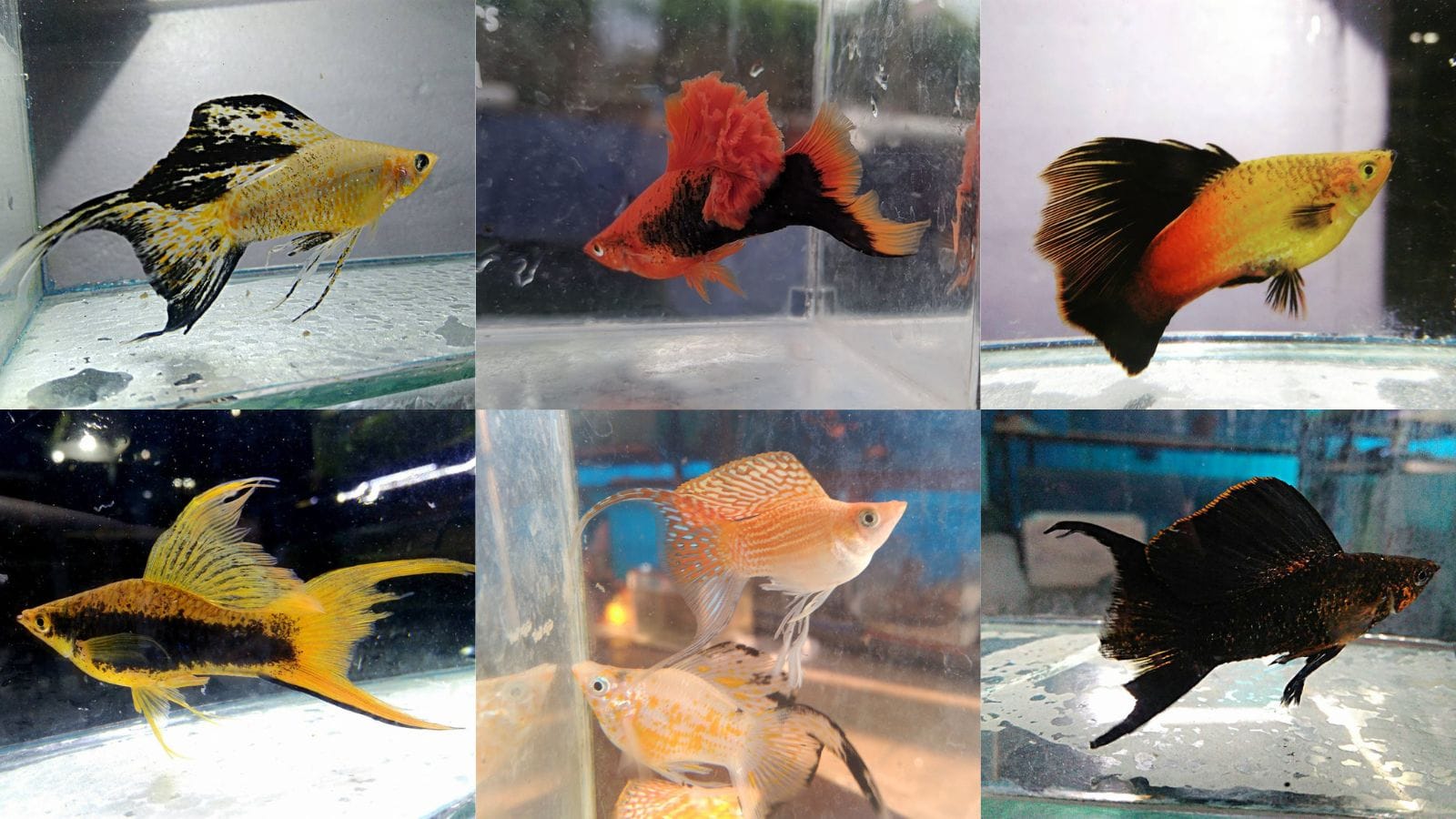
Livebearer breeding: Livebearers like guppies, platies, swordtails, and mollies are the gateway to one of the most exciting aspects of the aquarium hobby: watching life unfold in your tank. These fascinating fish give birth to live young, a process called vivipary, which can turn any beginner into a serious aquarist.
However, successfully keeping and breeding livebearers, especially fancy or challenging wild-type strains, requires more than basic maintenance. Whether you’re a beginner witnessing your first drop of fry or a seasoned breeder aiming for championship quality, this comprehensive, breeder-oriented guide covers all you need to achieve optimal health and prolific production in your livebearer colony.
Table of Contents
Chapter 1: The Foundation of Livebearer breeding – Water Quality & Filtration Secrets
Water quality is the single most critical factor for healthy livebearers and successful breeding. Forget the myth of the “messy” aquarium; success lies in mastering the nitrogen cycle and maintaining pristine water.
1.1 Biological Filtration: The Essential Bacteria Bed
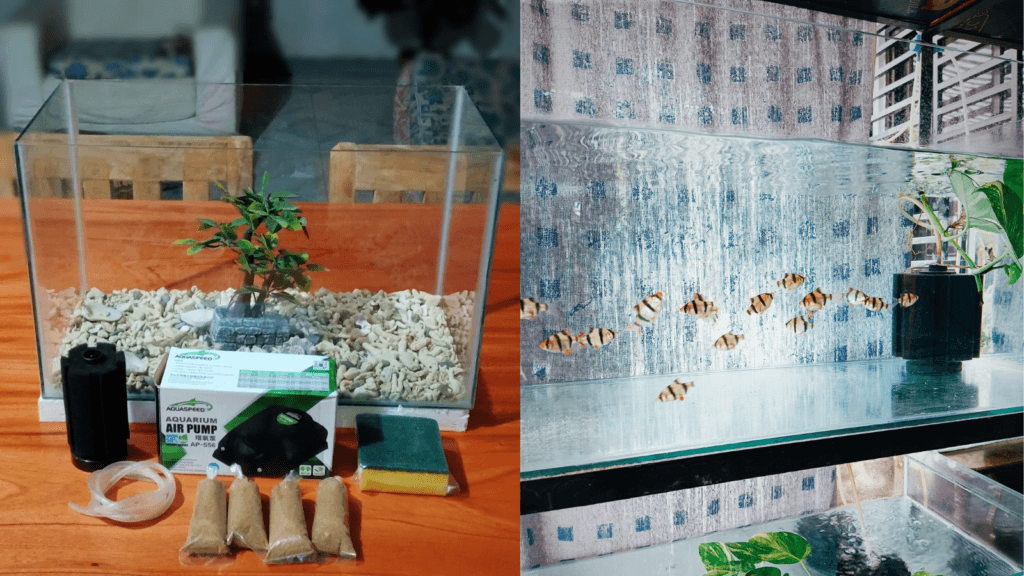
The key to a “no-fail” aquarium is the aerobic bacteria that convert harmful fish waste (ammonia) into less harmful nitrate.
- Cycling is Crucial: It takes 6–8 weeks for a new tank to develop a sufficient bacterial colony. Start with only one or two small, hardy fish (platies are an excellent choice) or heavily plant the tank to speed this process up.
- Protect Your Filter Media: Never discard or clean your filter’s biological media (sponges, ceramic, plastic mesh) under chlorinated tap water, as this kills the beneficial bacteria. Gently rinse media in the water you remove during a water change.
1.2 The Power of Plants (Vegetative Filtration)
Live plants provide the most comprehensive filtration by removing nitrogenous wastes (ammonia, nitrite, nitrate), phosphates, and heavy metals.
- Top Choices for Livebearers: Choose plants that thrive in lower light and/or tolerate the hard water livebearers enjoy. Recommended plants include:
- Java fern and Java moss.
- Spiral val.
- Tropical hornwort.
- Plants also provide vital cover for newborn fry.
1.3 Water Changes: The Non-Negotiable Step
Regular, partial water changes are the most important practice an aquarist can master.
- Why Change? They remove dissolved organic compounds (DOCs), refresh buffering capacity, and are crucial in the first two months to control ammonia/nitrite spikes.
- Breeding Boost: Breeders swear by water changes for conditioning fish to spawn.
- The How-To: You don’t need to remove fish or strip the tank. Gently rinse filter media in the removed water. When adding new water, run the tap for 30–60 seconds to clear copper from pipes, and ensure the new water is the same temperature as the tank water.
Chapter 2: Optimal Nutrition – Feeding for Health and Production
Underfed fish cannot maintain health and be productive, regardless of water quality. For livebearers, especially breeding stock, a varied and high-quality diet is key.
2.1 The Omnivorous Livebearer Diet
Most livebearers are omnivores, meaning they benefit from both animal and vegetable matter.
- Protein is Paramount: Protein is essential for growth, tissue repair, and immune response. While high protein (over 45%) aids rapid growth for show fish, a slightly lower content is better for general longevity and organ health.
- Veggie Boost: Poeciliid livebearers, in particular, appreciate vegetable matter, with algae being a natural part of their diet. Spirulina algae is noted for enhancing a fish’s natural mucous layer and improving liver/kidney function.
- Live Foods: Live foods offer unparalleled freshness and nutrition, making them the best choice for conditioning fish for breeding. Newly hatched brine shrimp are a nearly perfect food for fry and adults alike.
2.2 Feeding Strategy for Breeders
- Feed Lightly, Multiple Times: Think of a fish’s stomach as being about the size of its eye, and feed accordingly—very lightly, but multiple times a day is ideal.
- Keep it Fresh: Buy dry foods in small jars and store them in a cool, dry place (ideally refrigerated). Use opened containers within a month, as fish oils in the food can go rancid.
Chapter 3: Setting Up for Success – Colony & Species Tanks
The type of tank you set up depends on your goal: a bustling community, a specialized species tank, or a dedicated breeding system.
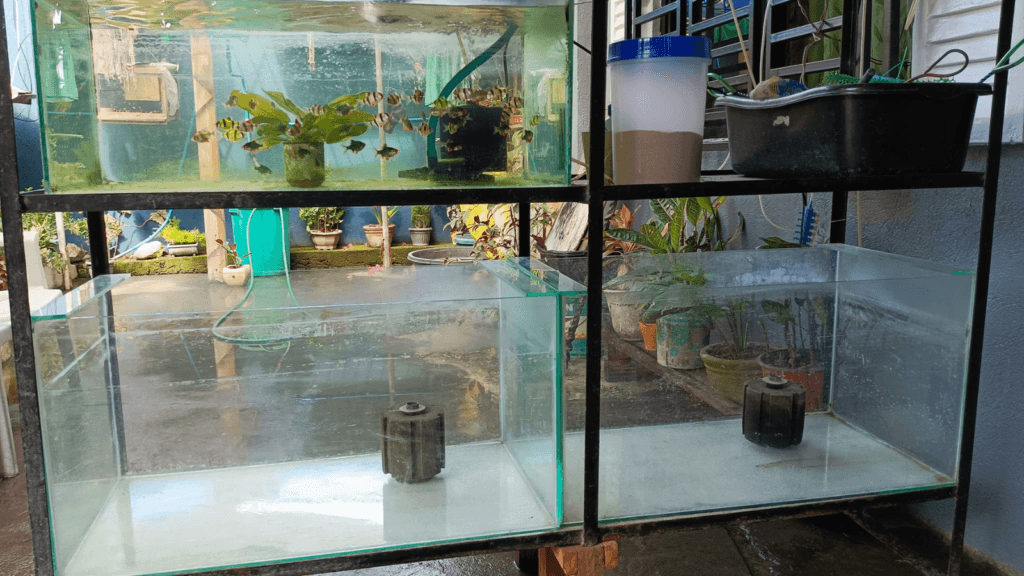
3.1 The Multi-Generational Colony Tank
This setup allows you to observe the entire life cycle—mating, birth, maturity, and death—within a single aquarium.
- Tank Size: Longer aquariums (20-gallon “longs” or 30 inches/75 cm) are best for most Central/South American species to allow for territories, mating, and escape.
- Decor: Use floating and bottom plants, along with rock or plant clusters in corners, to create hiding spots and nurseries for females and fry. This cover, combined with regular feeding, allows the colony to grow accustomed to sharing the tank with fry, leading to better survival rates.
- Stocking Ratio: Always aim to acquire more females than males. Males will constantly pursue females for mating, and a higher female-to-male ratio gives each female a break from the chase.
3.2 Species Maintenance & Conservation
Livebearers face environmental peril, with many species now extinct in nature (EW) or endangered (EN).
- Conservationist’s Choice: Setting up a 10- or 20-gallon species maintenance tank for an endangered fish is a commendable and important reason to keep livebearers.
- Pike Livebearer: This carnivorous ambush predator must be kept in a single-species tank as it will eat other fish, even its mates. It requires a staple diet of live feeder/baby fish.
Chapter 4: Prevention & Acclimation – Keeping Stock Healthy
Selecting healthy fish is the final “ounce of prevention”.
4.1 Purchasing and Inspection
- Red Flags: Do not purchase fish that display tiny white spots (Ich) or cottony patches (fungus) on their bodies, stringy extensions from the vent (intestinal worms), or those that are “shimmying” in place with clamped fins, which indicates acclimation or ammonia stress.
- Look for Activity: Healthy fish are active; even shy species should react with curiosity or an escape movement when approached by a net.
4.2 Safe Acclimation to Prevent Disease
Never just float the bag and release, as this only acclimates temperature and releases potentially pathogen-seeded water into your tank.
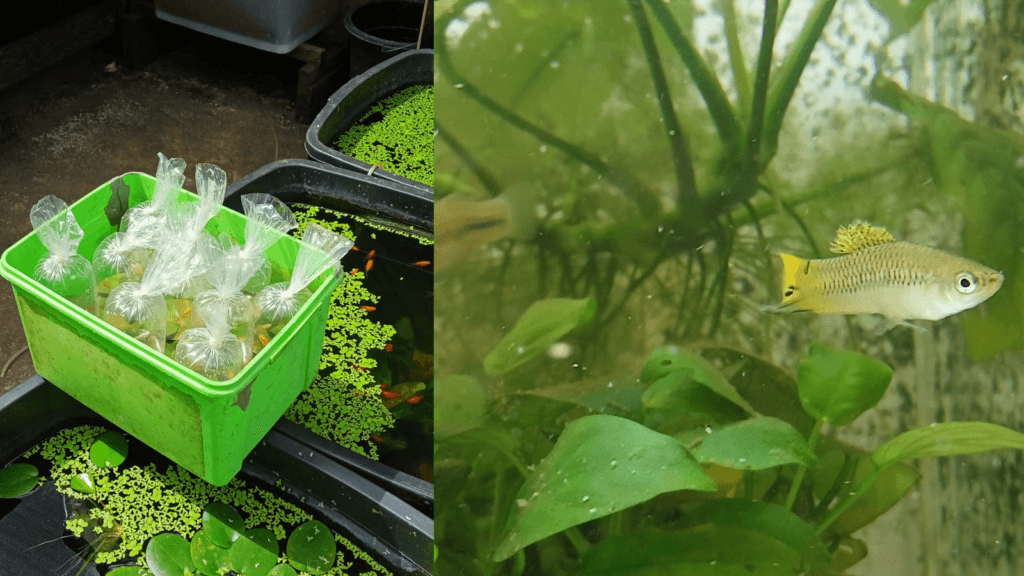
- The Drip Method: Place the fish and the water from the bag into a dedicated aquarium bucket. Gradually add a cup of your tank water every 5–10 minutes until the volume is substantially increased.
- Quarantine Tank: The best method is to quarantine new arrivals for at least one week in a separate hospital/quarantine tank to observe for disease signs before introducing them to the main colony.
The Livebearer Hobby – Beyond the Tank
The livebearer hobby is incredibly diverse, appealing to the scientist, artist, conservationist, and competitor.
- Clubs and Shows: Join organizations like the American Livebearer Association (ALA) or International Fancy Guppy Association (IFGA). They offer conventions, trading posts, and shows where you can acquire rare species and exchange ideas.
- Genetics: Livebearers’ regular reproductive cycles make them ideal for studying genetics and creating new color patterns or finnage strains through controlled crosses.
FAQ
Q1: What are the tell-tale signs of a sick livebearer I should avoid buying?
A1: Avoid fish with tiny white spots (Ich) or cottony patches (fungus) on their bodies, stringy extensions from the vent (intestinal worms), or those that are “shimmying” in place with clamped fins, which indicates acclimation or ammonia stress.
Q2: How often should I perform water changes on my livebearer tank?
A2: The more often and the more water you change, the better. Regular, partial water changes are essential for overall health, especially for breeders, as they help condition fish to spawn and remove harmful dissolved organic compounds (DOCs).
Q3: Why should I have more female livebearers than males?
A3: Males will endlessly pursue females for mating. A higher female-to-male ratio (e.g., 2:1 or more) helps distribute the male’s attention, reducing stress and allowing each female a necessary break from the constant chasing.
Q4: Can I use tap water for water changes, and if so, how?
A4: Yes, you can use conditioned tap water. You must use a water conditioner that neutralizes chlorine, chloramines, and heavy metals. Additionally, run your tap for 30–60 seconds before filling your bucket to clear any residual, copper-laden water from your indoor pipes, as copper is highly toxic to fish.