
Grey-hooded Parakeet: Your Expert Aviculture & Breeding Guide
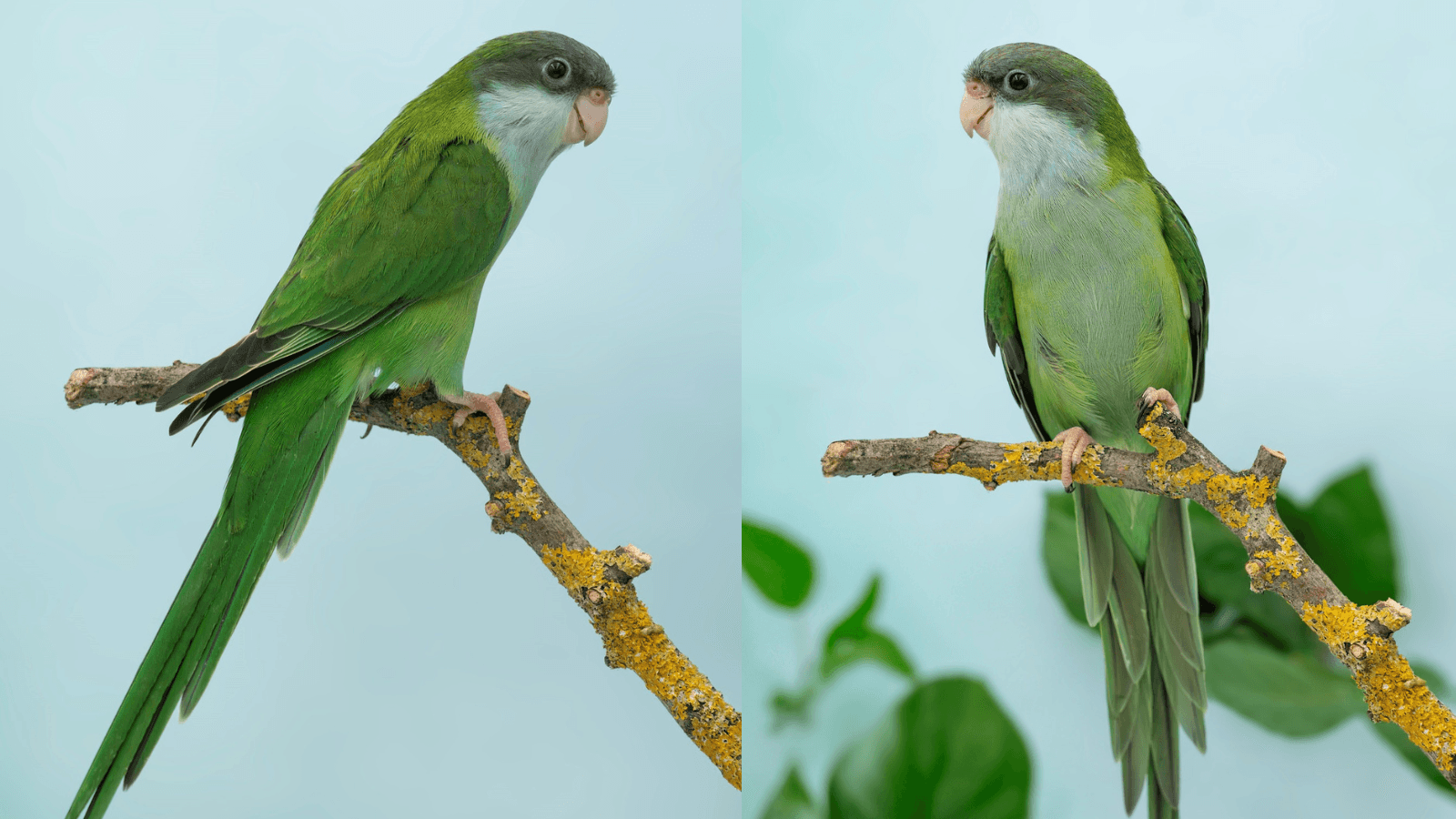
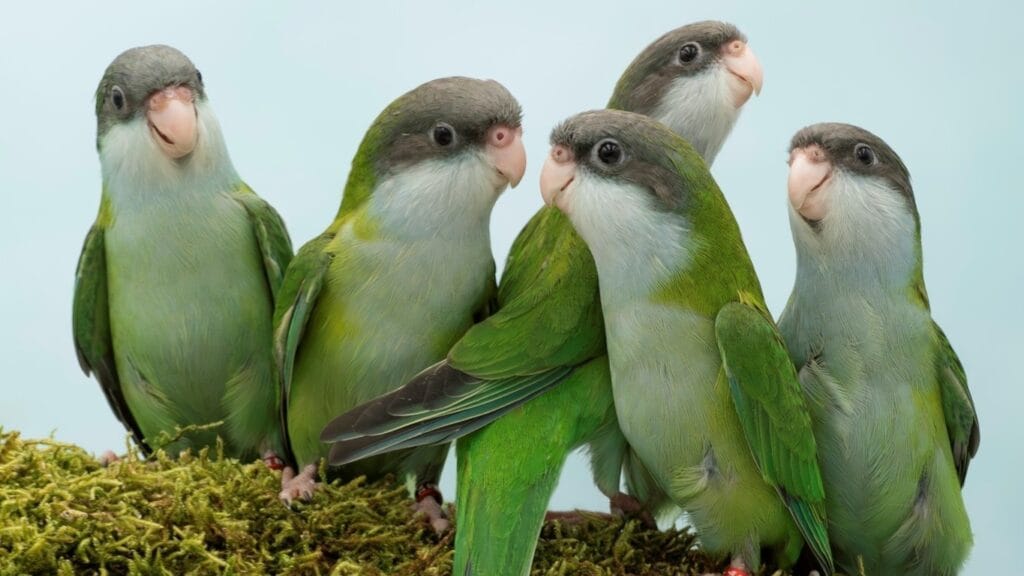
The Grey-hooded parakeet (Psilopsiagon aymara) is a charismatic, hardy South American parrot species gaining popularity among aviculturists worldwide. Native to the Andean highlands of Bolivia, Peru, Argentina, and Chile, these medium-sized parakeets thrive in cold, arid environments at elevations up to 4,500 meters. Their adaptability, peaceful temperament, and breeding readiness make them excellent candidates for dedicated breeders seeking robust, colony-compatible species. This guide provides practical, breeder-focused information on housing, nutrition, reproduction, and health management for the Grey-hooded parakeet in captivity.
Table of Contents
Quick Facts
Scientific Name: Psilopsiagon aymara
Common Names: Grey-hooded Parakeet, Aymara Parakeet, Sierra Parakeet
Size: 18–20 cm (7–8 inches)
Weight: 48–56 grams
Lifespan: 15–20 years in captivity
Sexual Maturity: 12–18 months
Clutch Size: 3–6 eggs (average 4–5)
Incubation Period: 22–24 days
Fledging Age: 35–42 days
Closed Ring Size: 5.0–5.5 mm (apply at 7–9 days)
CITES Status: Not listed (Least Concern)
Temperament: Social, active, relatively quiet, colony-friendly
Sexual Dimorphism
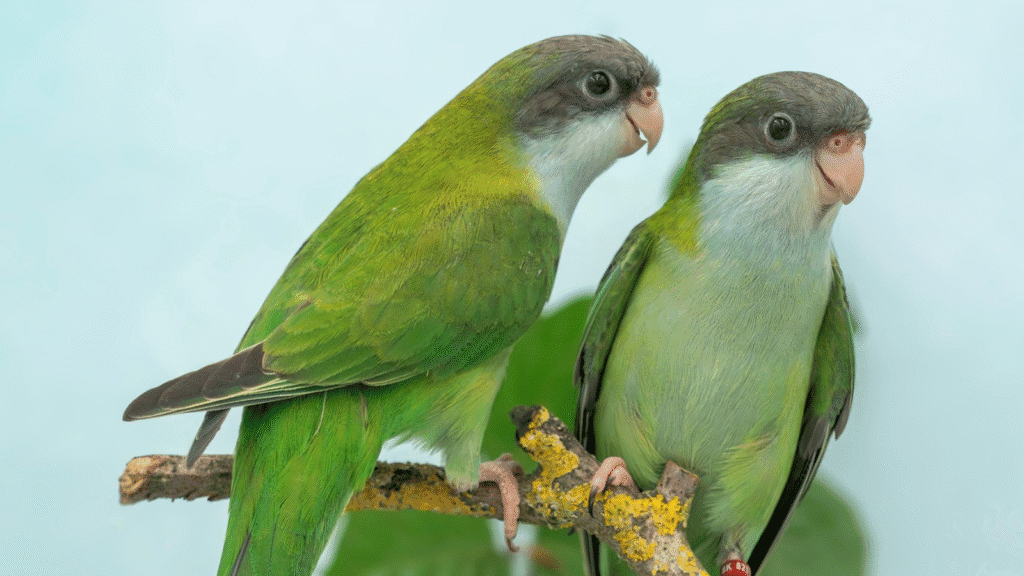
The Grey-hooded parakeet exhibits subtle sexual dimorphism that becomes more evident in mature birds. Males typically display more vibrant plumage, particularly around the chest and belly, with brighter yellow-olive tones. The grey hood on males tends to be darker and more defined. Females are generally duller overall, with paler grey hoods and less pronounced yellow coloring on the underparts. However, visual sexing can be unreliable, and DNA sexing or surgical sexing is recommended for breeding pair formation to ensure accuracy.
Diet (Wild & Captive)
Wild Diet
In their native Andean habitat, Grey-hooded parakeets feed primarily on seeds, grasses, herbs, flowers, and seasonal fruits. They forage in agricultural areas and grasslands, consuming quinoa, amaranth, and native grass seeds.
Captive Diet
A well-balanced captive diet is crucial for breeding success:
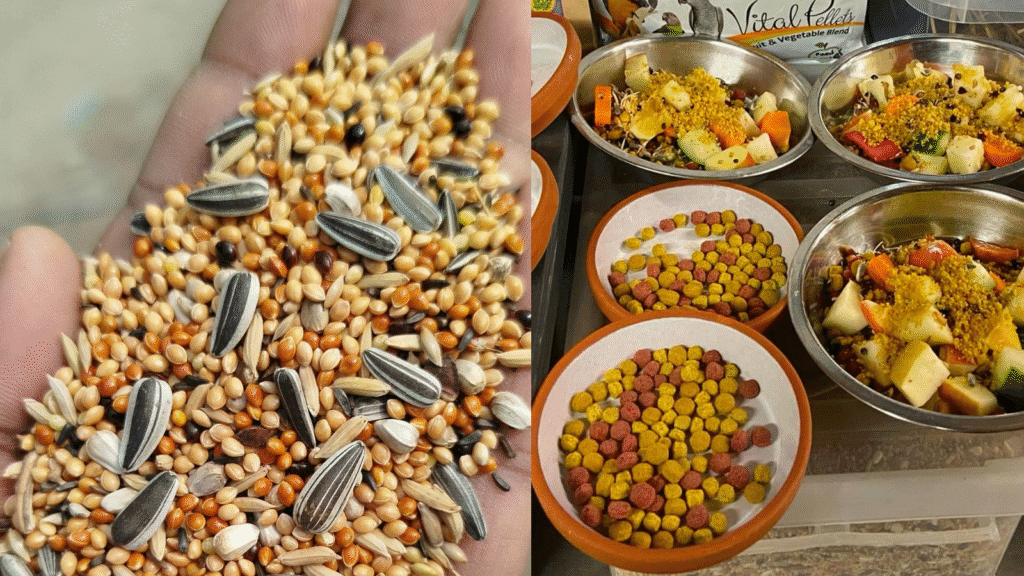
- Quality Seed Mix: Base diet of canary seed, white millet, oats, safflower, and small amounts of sunflower (limit to 10–15%)
- Pellets: High-quality pellets (20–30% of diet) ensure complete nutrition
- Fresh Vegetables: Daily offerings of leafy greens (kale, spinach, chard), carrots, broccoli, and bell peppers
- Fruits: Apple, pear, berries (2–3 times weekly; limit to avoid excess sugar)
- Sprouted Seeds: Excellent protein source, especially during breeding
- Supplements: Cuttlebone, mineral block, and calcium supplements during egg-laying
- Clean Water: Fresh water daily; consider probiotics during breeding season
Avoid avocado, chocolate, salt, caffeine, and high-fat foods.
Housing & Aviary Setup
Cage Dimensions
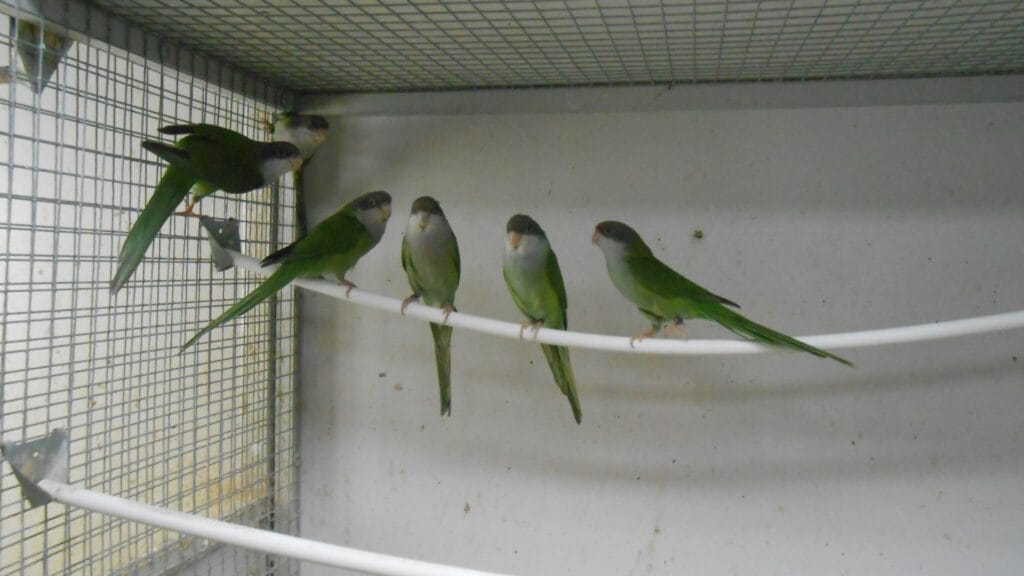
For a breeding pair, minimum cage size should be 120 cm (length) × 60 cm (width) × 90 cm (height). Larger aviaries (2–3 meters long) are ideal and promote natural behavior.
Aviary Construction
Grey-hooded parakeets tolerate cold temperatures well but require protection from extreme heat and drafts:
- Wire: 16–19 gauge wire mesh with spacing no larger than 12 mm
- Shelter: Covered portion (at least 1/3 of aviary) with windbreaks
- Temperature: Comfortable range 10–25°C; can tolerate brief exposure to near-freezing
- Perches: Natural branches of varying diameters (eucalyptus, willow, fruit tree wood)
- Enrichment: Swings, rope toys, foraging toys, and natural browse
Colony Breeding
These parakeets can be housed in small colonies (3–4 pairs) in spacious aviaries (minimum 4–5 meters long) if multiple nest boxes are provided with visual barriers. Monitor for aggression during breeding season.
Nestbox & Breeding Management
Nestbox Specifications
- Dimensions: 25 cm (height) × 20 cm × 20 cm (internal)
- Entrance Hole: 5–6 cm diameter
- Material: Solid wood (pine or plywood), minimum 15 mm thick
- Substrate: 3–5 cm of pine shavings or softwood chips
- Placement: Mount 1.5–2 meters high in quietest section of aviary
Breeding Season
In the Southern Hemisphere, natural breeding occurs September–January. In captivity, provide nest boxes year-round, though most pairs breed spring through autumn.
Incubation & Chick Development
- Hen incubates while male feeds her
- Hatching: Asynchronous; chicks hatch over 2–4 days
- Closed-ring: Apply at 7–9 days (8.0 mm diameter)
- Eyes open: 10–12 days
- Pin feathers emerge: 14–16 days
- Fledging: 35–42 days, but parents continue feeding for 2–3 weeks post-fledging
Breeding Tips
- Ensure hens receive extra calcium 2–3 weeks before laying
- Inspect nests weekly after hatching; avoid excessive disturbance
- Remove unhatched eggs after 28 days
- Allow pairs to rest 2–3 months between clutches (maximum 2–3 clutches annually)
Aviculture & Conservation Notes
The Grey-hooded parakeet is not currently threatened in the wild and is not listed under CITES, making legal trade straightforward in most countries (always verify local regulations). Captive breeding programs help reduce pressure on wild populations and maintain genetic diversity. Breeders should maintain detailed records, avoid inbreeding, and consider cooperating with avicultural societies to strengthen the captive gene pool. These birds adapt exceptionally well to captivity, making them ideal for both novice and experienced breeders.
Health, Parasite Control & Common Issues
Preventive Health Care
- Quarantine: 30–45 days for new birds
- Veterinary Check: Annual examination by avian vet
- Parasite Control: Regular fecal testing (every 6 months); treat for worms, coccidia, and giardia as needed
- External Parasites: Monitor for red mites and lice; treat aviary with appropriate acaricides
Common Health Issues
- Egg Binding: Provide adequate calcium, warmth, and avoid breeding hens under 12 months
- Respiratory Infections: Usually caused by drafts, poor ventilation, or damp conditions
- Nutritional Deficiencies: Prevent with varied diet and supplements
- Feather Plucking: Rare in this species; usually indicates stress or overcrowding
- Aspergillosis: Maintain dry substrate in nest boxes and aviaries
Biosecurity
Practice strict hygiene: clean food/water dishes daily, disinfect nest boxes between clutches, and quarantine sick birds immediately.
Breeder’s Tips & Checklist
Pre-Breeding Checklist
- ☑ Verify birds are 12+ months old and in optimal condition
- ☑ Provide nest box 4–6 weeks before desired breeding season
- ☑ Increase protein (sprouted seeds, egg food)
- ☑ Ensure calcium supplementation is available
- ☑ Check for parasites and treat if necessary
- ☑ Maintain detailed breeding records (dates, clutch size, outcomes)
Pro Tips
- Pair Compatibility: Allow pairs to choose each other when possible; forced pairs may not breed successfully
- Lighting: 12–14 hours of light encourages breeding; reduce to 10 hours for rest period
- Stress Reduction: Minimize aviary disturbances during incubation
- Fostering: Grey-hooded parakeets make excellent foster parents for related species
- Record Keeping: Track lineage, hatch rates, and health issues to improve breeding outcomes
faq
Q1: Can Grey-hooded parakeets be kept with other species?
Yes, they are generally peaceful and can cohabitate with similarly sized, non-aggressive parakeets (e.g., Brotogeris, small conures) outside breeding season. Monitor closely during breeding, as territorial behavior increases.
Q2: How long should I wait between clutches?
Allow 2–3 months of rest between clutches. Remove the nest box after the second clutch to prevent overbreeding, which depletes hens and reduces chick viability.
Q3: What’s the best way to introduce a new breeding pair?
House new pairs in adjacent cages for 1–2 weeks so they can see and hear each other. Gradually introduce them in a neutral territory, then move to breeding aviary. Ensure both birds are healthy and properly quarantined.
Q4: Are Grey-hooded parakeets noisy?
No, they are among the quieter parakeet species, making pleasant chirping sounds. They’re suitable for residential areas, though breeding pairs become more vocal during courtship.