
Double-Barred Finch: Complete Aviculture & Breeding Care Guide
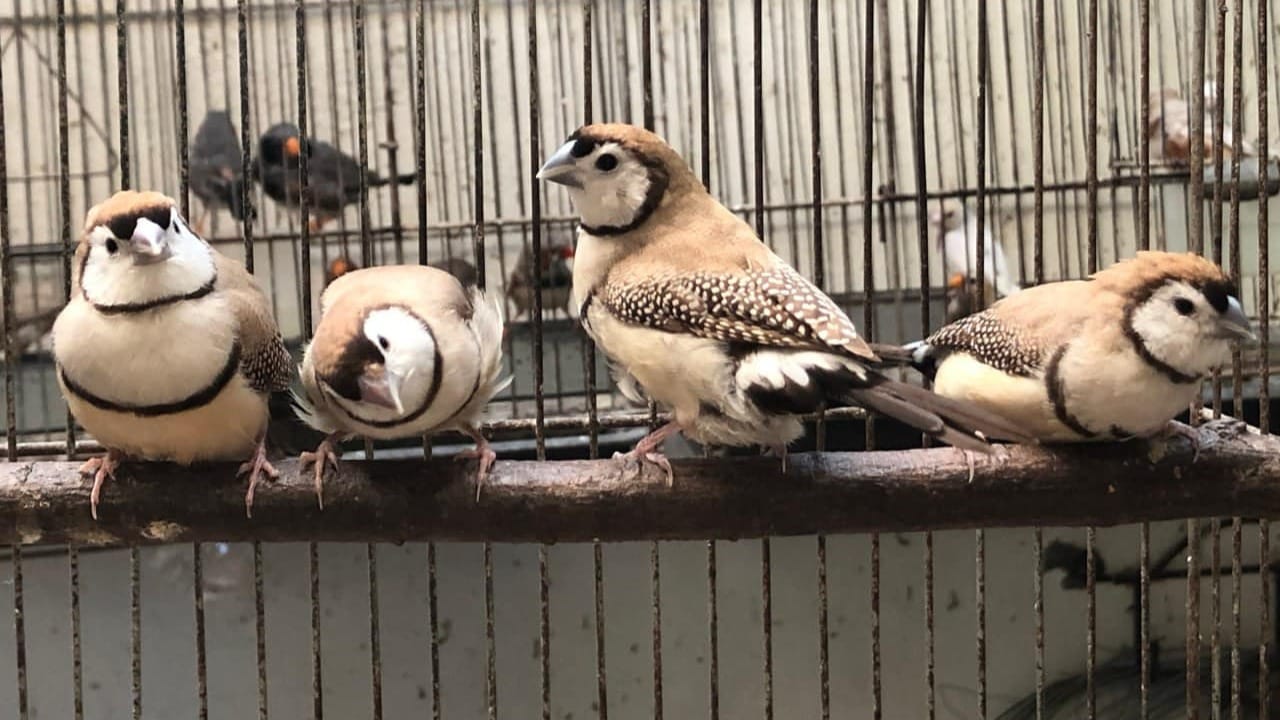
The double-barred finch, affectionately known as the “owl finch” or “Bicheno’s finch,” represents one of Australia’s most charming aviary birds. Distinguished by its distinctive facial markings resembling an owl’s countenance and elegant double breast bands, this small estrildid combines striking appearance with hardy constitution and adaptable temperament. Native to eastern and northern Australia’s woodlands, double-barred finches have established themselves as reliable breeders in captivity, offering an excellent choice for breeders seeking an attractive, manageable Australian species with consistent reproductive success.
Table of Contents
Quick Facts Summary
| Category | Information |
|---|---|
| Scientific Name | Taeniopygia bichenovii |
| Common Names | Double-barred Finch, Owl Finch, Bicheno’s Finch |
| Size | 10–11 cm (3.9–4.3 inches) |
| Weight | 10–14 grams |
| Lifespan | 5–7 years typical; 9–10 years with optimal care |
| Sexual Maturity | 6–9 months (breeding best at 9+ months) |
| Clutch Size | 4–6 eggs (range 3–8) |
| Incubation Period | 12–13 days |
| Banding Window | Day 6–8 using 2.3mm or 2.5mm closed bands |
| Fledging Age | 20–23 days |
| CITES Status | Not listed; readily available captive-bred |
| Temperament | Peaceful, social, excellent mixed-aviary candidate |
Recognizing Sexual Dimorphism
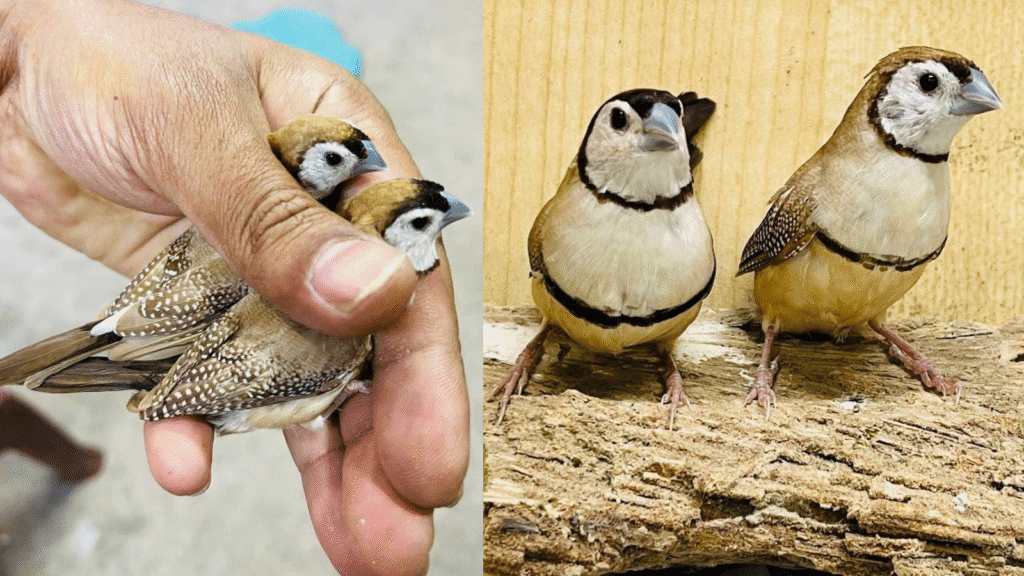
Double-barred finches present minimal sexual dimorphism, making accurate sexing challenging. Males display marginally more extensive black breast barring with sharper demarcation and slightly bolder facial “owl” markings. Females show softer, less contrasted barring and more delicate facial features. However, these differences are subtle and unreliable for definitive sexing.
Behavioral sexing provides better results: males perform distinctive courtship displays—hopping toward females with fluffed plumage while producing soft warbling songs. Females respond with crouched posture and tail quivering when receptive but never perform the male display. Juveniles appear similar to subdued adults until first molt at 8–10 weeks.
Natural Diet & Captive Feeding Strategies
Wild Foraging Behavior
In their native Australian habitat, double-barred finches inhabit open woodlands and grasslands, feeding primarily on grass seeds (Panicum, Setaria, Eragrostis), particularly half-ripe seed heads, supplemented with small insects during breeding season.
Comprehensive Captive Diet
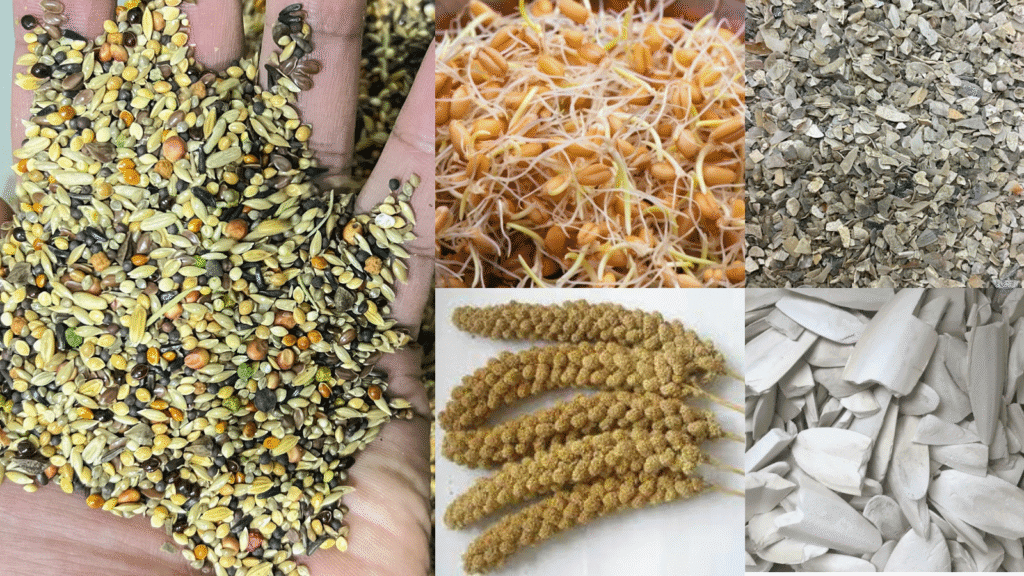
Core seed mixture: High-quality finch blend emphasizing white millet, red/yellow millet, panicum, Japanese millet, and canary seed. Avoid excessive large seeds inappropriate for smaller estrildids.
Essential supplements: Sprouted seeds 4–5 times weekly dramatically improve breeding condition and chick survival. Egg food provided 2–3 times weekly, increasing to daily during breeding. Small mealworms or fruit flies during breeding season improve chick vigor. Fresh greens (chickweed, dandelion, romaine lettuce) rotated regularly.
Minerals: Crushed oyster shell grit, charcoal grit, and cuttlebone constantly available. Fresh water changed daily, with avian probiotics added 2–3 times weekly.
Aviary Design & Housing Considerations
Double-barred finches adapt to various housing but show clear preferences affecting breeding performance.
Space Requirements
Single pair: Minimum 90cm L × 50cm W × 60cm H; 120cm+ length preferred
Small colony (3–4 pairs): 2m L × 1m W × 1.5m H minimum
Mixed collection: 3m+ length for housing with other peaceful finches
Essential Housing Features
Prioritize horizontal flight space over height. Natural branches (8–12mm diameter) at varying heights create territorial zones. Include live or artificial grasses and small native shrubs for security. Fine sand or paper-based substrate allows easy cleaning.
Climate: Hardy once acclimated, tolerating 10–32°C (50–90°F). Provide frost-free shelter maintaining minimum 12°C (54°F) for breeding. Maintain 12–14 hour photoperiod for healthy breeding cycles.
Compatibility: Excellent with star finches, Gouldian finches, zebra finches, and peaceful exotic finches. Avoid housing with aggressive species.
Nestbox Options & Breeding Protocol
Preferred Nest Structures
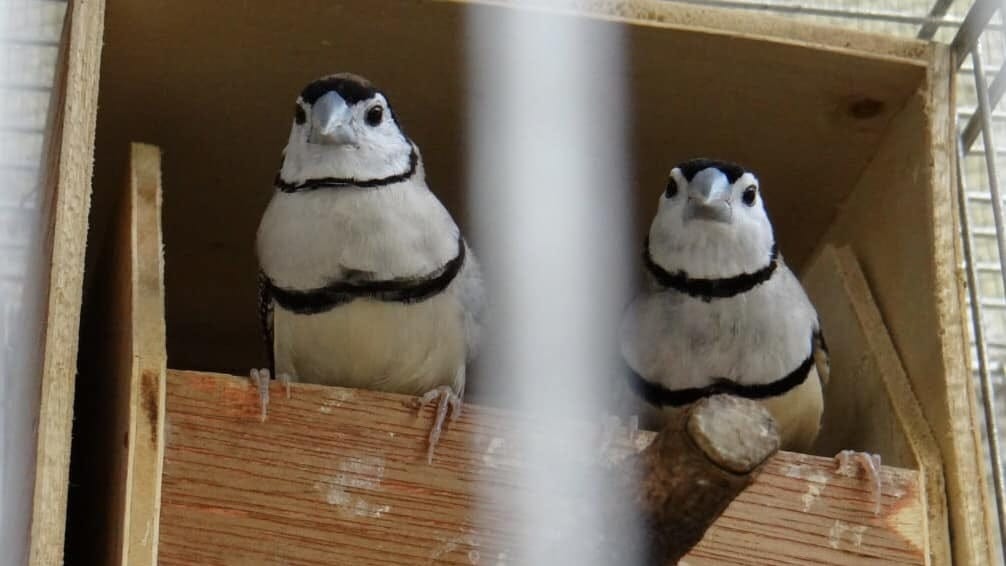
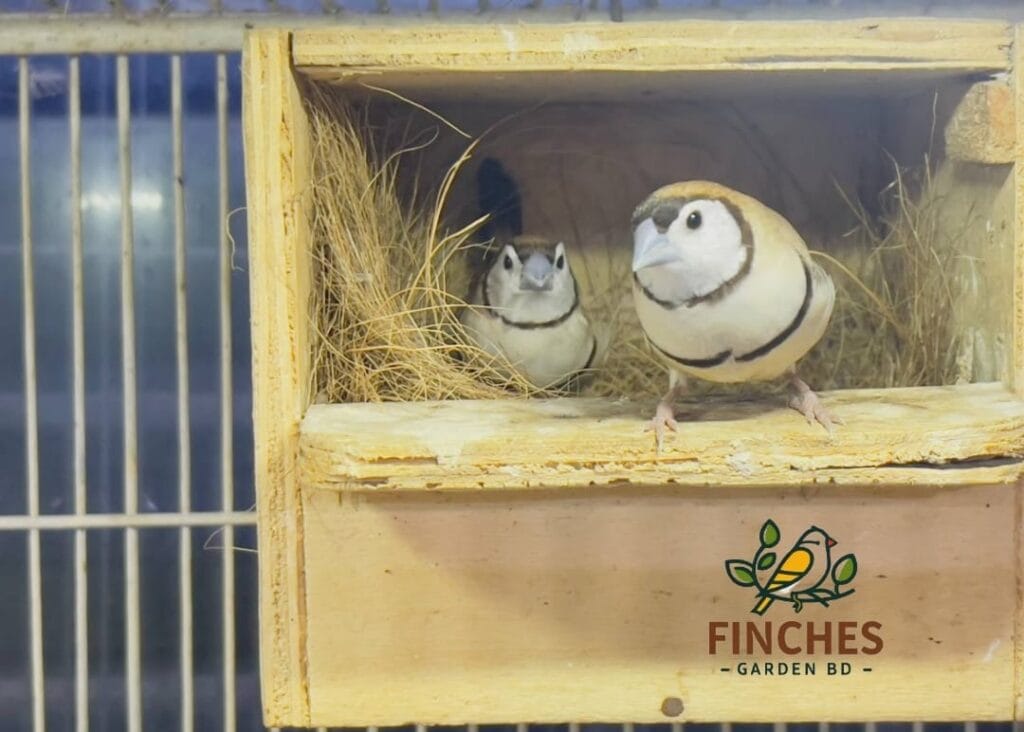
Double-barred finches accept enclosed wicker/bamboo nests (12–14cm diameter) or wooden nestboxes (12cm³ with 4.5cm entrance). Some pairs prefer half-open designs. Mount nests at varying heights, providing 2–3 options per pair for selection.
Nesting Materials
Offer long dried grasses (12–20cm), coconut fiber, soft hay, and jute string. Pairs construct substantial dome nests with side entrance tunnels, often incorporating fine materials for lining.
Breeding Management
Pre-breeding conditioning: 6–8 weeks of enriched nutrition with increased protein, daily sprouted seeds, and extended photoperiod prepares pairs for breeding success.
Courtship & laying: Males perform hopping displays with quiet singing. First egg appears 7–12 days after successful mating, with subsequent eggs laid daily until clutch complete.
Incubation: Both parents share duties relatively equally in 2–4 hour shifts. Avoid nest disturbance during first week. Eggs hatch after 12–13 days.
Chick development: Days 1–5 are critical with helpless, down-covered chicks. Days 6–8 provide optimal banding window. Eyes open day 10–11, feathers emerge days 16–22, and fledging occurs days 23–35 with continued parental feeding.
Productivity limits: Restrict pairs to 3 clutches per season, then enforce 8–10 week rest by separating sexes to prevent hen exhaustion.
Aviculture Status & Conservation Context
Double-barred finches entered European aviculture in the mid-1800s with consistent breeding success. While never achieving immense popularity, they maintain steady presence in serious collections. Wild populations remain stable with “Least Concern” conservation status.
Two subspecies exist—T. b. bichenovii (eastern) and T. b. annulosa (northern)—though most captive birds represent mixed lineages. Unlike zebra finches, few color mutations exist, with breeders focusing on type, vigor, and temperament. Maintain unrelated breeding lines to prevent inbreeding depression, outcrossing every 4–5 generations.
Double-barred finches serve valuable roles in educational displays and mixed-species aviaries, making them excellent “next step” species for keepers advancing from beginner finches.
Health Protocols & Disease Prevention
Preventive Healthcare
Quarantine: Strict 30-day isolation with fecal testing before introducing new birds. Parasite control: Fenbendazole treatment every 3–4 months. Monitor for air sac mites causing respiratory clicking. Prophylactic coccidiosis treatment during wet periods.
Hygiene: Daily food/water container cleaning, weekly substrate replacement, monthly deep cleaning with avian-safe disinfectants.
Common Health Issues
Egg binding: First-time layers most susceptible. Ensure adequate calcium, avoid breeding underweight birds. Respiratory infections: From dampness or poor ventilation. Symptoms include nasal discharge, open-mouth breathing, or clicking sounds requiring veterinary care. Nutritional deficiencies: Manifest as poor feathers, soft eggs, or weak chicks. Overgrown claws: Provide varied perch textures and cuttlebone. Scaly mites: Isolate and treat with ivermectin immediately.
Conduct daily behavioral observations for early problem detection. Establish relationship with avian veterinarian familiar with finch medicine.
Expert Breeder’s Management Checklist
✓ Pair compatibility: Allow natural pair formation when possible
✓ Record keeping: Document parentage, bands, hatch dates for genetic management
✓ Nest variety: Provide 2–3 nest options per pair
✓ Material abundance: Ensure constant nesting material availability
✓ Dietary cycling: Transition between maintenance and breeding diets gradually
✓ Chick monitoring: Verify all chicks receiving adequate nutrition
✓ Proper banding: Use 2.3–2.5mm bands during days 6–8
✓ Juvenile removal: Remove independent young before subsequent clutches
✓ Seasonal rest: Separate sexes after breeding to prevent exhaustion
✓ Genetic planning: Rotate stock, introduce unrelated birds periodically
✓ Environmental stability: Minimize disturbances and maintain consistent climate
✓ Health surveillance: Regular parasite control and disease monitoring
faq
Q: How can I reliably sex double-barred finches?
A: Visual sexing is unreliable. Behavioral observation during breeding provides best results—males perform distinctive hopping displays while singing; females never display this behavior. DNA testing from blood/feather samples provides definitive results.
Q: Can double-barred finches be housed with zebra finches?
A: Generally yes. They coexist well in adequately-sized aviaries (3m+ recommended). Ensure sufficient space, multiple feeding stations, and excess nestboxes to minimize competition. Remove aggressive individuals.
Q: Why won’t my double-barred finches breed?
A: Common causes include insufficient conditioning (minimum 6–8 weeks), inadequate protein/calcium, birds too young (under 9 months), incompatible pairing, environmental stress, or photoperiod below 12 hours. Verify all parameters and consider re-pairing if no improvement after 3 months.
Q: Are double-barred finches suitable for beginners?
A: They occupy middle ground between beginner and advanced species. While hardy, they require more attentive management than zebra finches. Recommended for keepers with 1–2 years experience successfully maintaining easier species.