
In the world of professional bird breeding, nutrition is the thin line between a successful season and a disappointing one. For years, germinated seeds were the “gold standard” for feeding breeding pairs and growing chicks. However, they come with a high risk of fungal infections and bacterial blooms.
Enter Perle Morbide—the innovative “extruded” bird food that has revolutionized the way we feed canaries, especially high-demand varieties like the Red Factor.
Table of Contents
What is Perle Morbide?
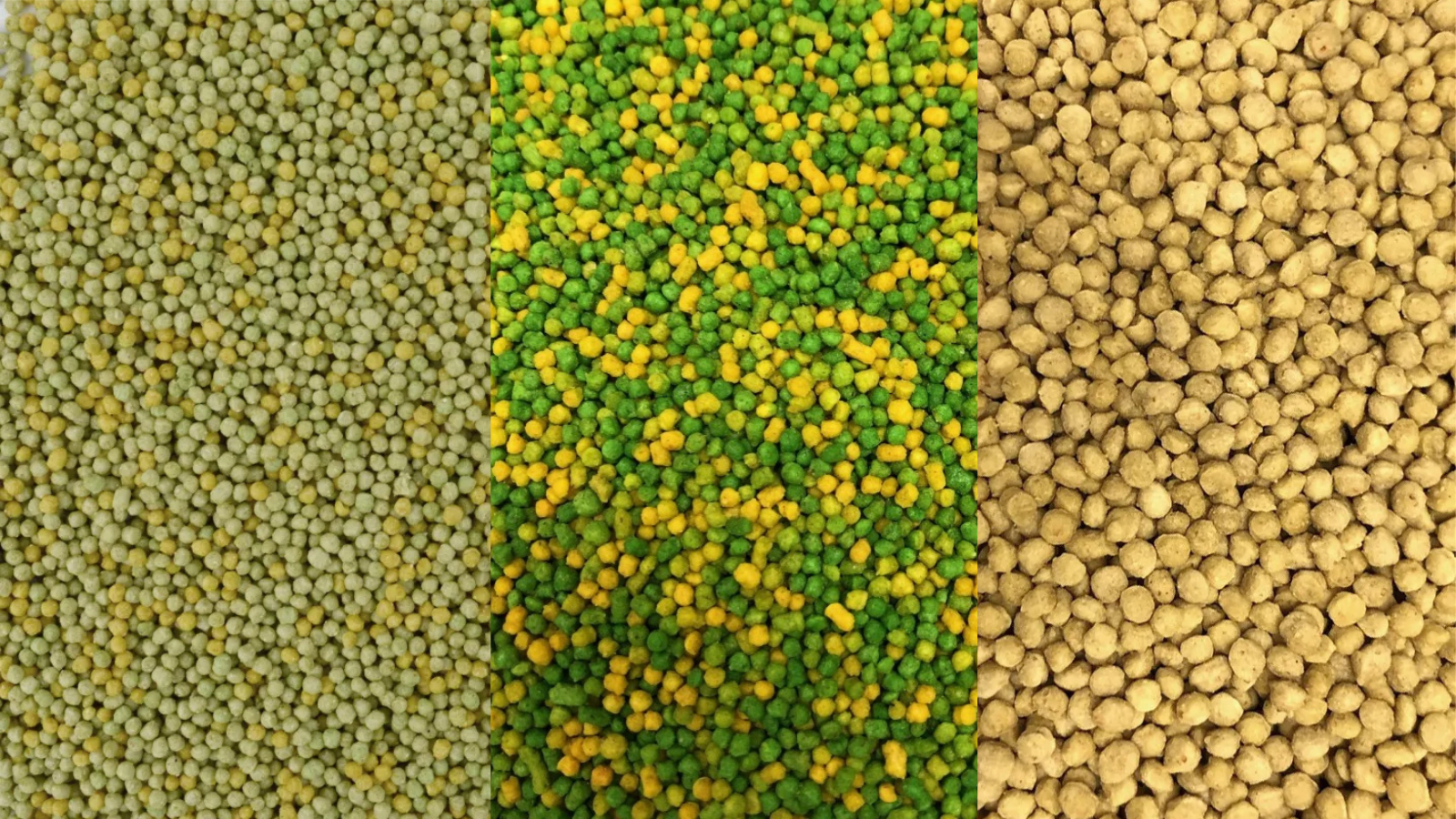
Perle Morbide is a complete, extruded bird food designed to entirely replace the administration of germinated or soaked seeds. Its name, which translates to “Soft Pearls” in Italian, describes its unique texture once prepared.
Unlike dry seeds, these pellets are designed to absorb water, expanding into soft, highly palatable morsels that parent birds can easily ingest and regurgitate to their young.
Why Breeders are Swapping Sprouted Seeds for Perle Morbide
- Eliminates Health Risks: Sprouted seeds require precise timing and hygiene. If left too long, they develop mold or E. coli. Perle Morbide offers the same moisture benefits without the biological hazards.
- Growth Acceleration: Studies and breeder testimonials consistently show that chicks fed with Perle Morbide grow faster and show better skeletal development.
- Perfect Supplement Carrier: Because it is soaked in water, you can easily add liquid vitamins, probiotics, or medications directly into the water used for preparation.
Perle Morbide for Red Factor Canaries
If you specialize in Red Factor canary breeding, Perle Morbide is your best ally for color management.
- Uniform Pigmentation: When you add your colorants (like Canthaxanthin) to the water used to soak the pearls, the pigment is absorbed evenly into the food.
- Maximum Intake: Because the birds find the texture irresistible, they consume more of the colorant than they would through dry egg food or drinking water, leading to a much deeper and more level “fire red” plumage.
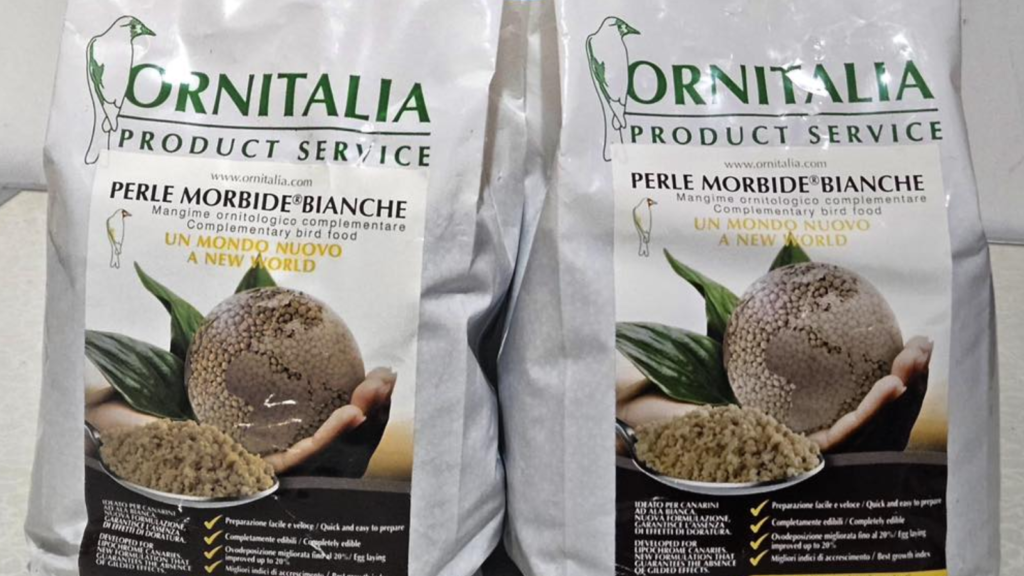
Pro Tip: For Mosaics, ensure you use the Perle Morbide White (Bianche) version. This version is free from yellow pigments that could accidentally “stain” the white areas of a Mosaic canary’s wings.
How to Prepare Perle Morbide (Step-by-Step)
Preparation must be done daily to ensure freshness. Following the correct ratio is vital for the right texture.
1. The 1:2 Ratio
The golden rule is one part Perle Morbide to two parts water.
- Example: 100g of Perle Morbide + 200ml of water.
2. The Soaking Phase
Pour the water over the pellets in a ceramic or glass bowl. Let them sit for at least 2 hours (many breeders prepare them the evening before and leave them overnight in the fridge). The pearls will absorb all the water and double in size.
3. The “Grainy” Finish
Once soaked, the pearls can be sticky. To make them easy for the birds to pick up, mix in a small amount of dry egg food or corn flour. Stir until the mixture looks “grainy” and the pearls separate easily.
4. Administration
Feed ad libitum (as much as they want) during the breeding season. Start giving it about one month before pairing to get the birds into peak condition.
Nutritional Analysis
Perle Morbide is more than just a texture; it’s a nutritional powerhouse:
- Crude Protein: 16% (min)
- Crude Fat: 10% (min)
- Vitamins: Rich in Vitamin A, D3, and E.
- Ingredients: Ground corn, wheat, oats, coconut oil, and potato protein.
FAQ
1. Can I leave Perle Morbide in the cage all day?
Yes, but it should be replaced every 24 hours. In very hot climates, it is better to provide smaller portions twice a day (morning and evening) to prevent the food from drying out or fermenting.
2. Is Perle Morbide suitable for other birds?
Absolutely. While famous for canaries, it is excellent for Goldfinches, Siskins, Bullfinches, and even exotic finches like Gouldians.
3. Does it replace egg food?
No. Perle Morbide is usually used with egg food. The pearls provide the moisture and vitamins, while the egg food provides the dry protein structure needed for a balanced diet.
4. Which color should I choose?
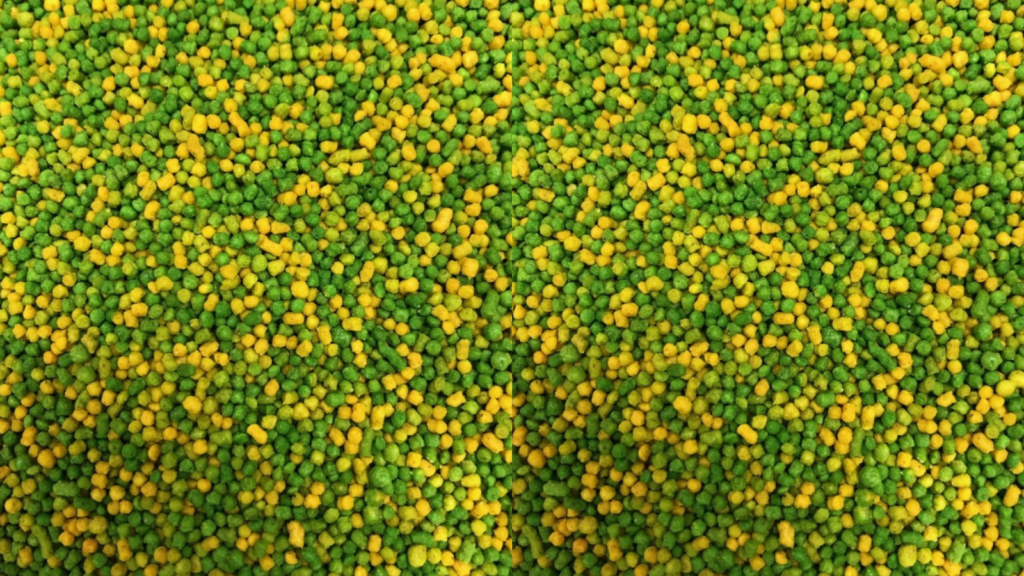
- Green/Yellow: Standard for most canaries.
- Red: Specifically for Red Factors to help boost color.
- White (Bianche): Essential for Mosaics and clear white birds to avoid yellowing of the feathers.
Did you enjoy this article?
Help other pet lovers benefit too — Share it on social media! 🐾💚
Leave a Reply