
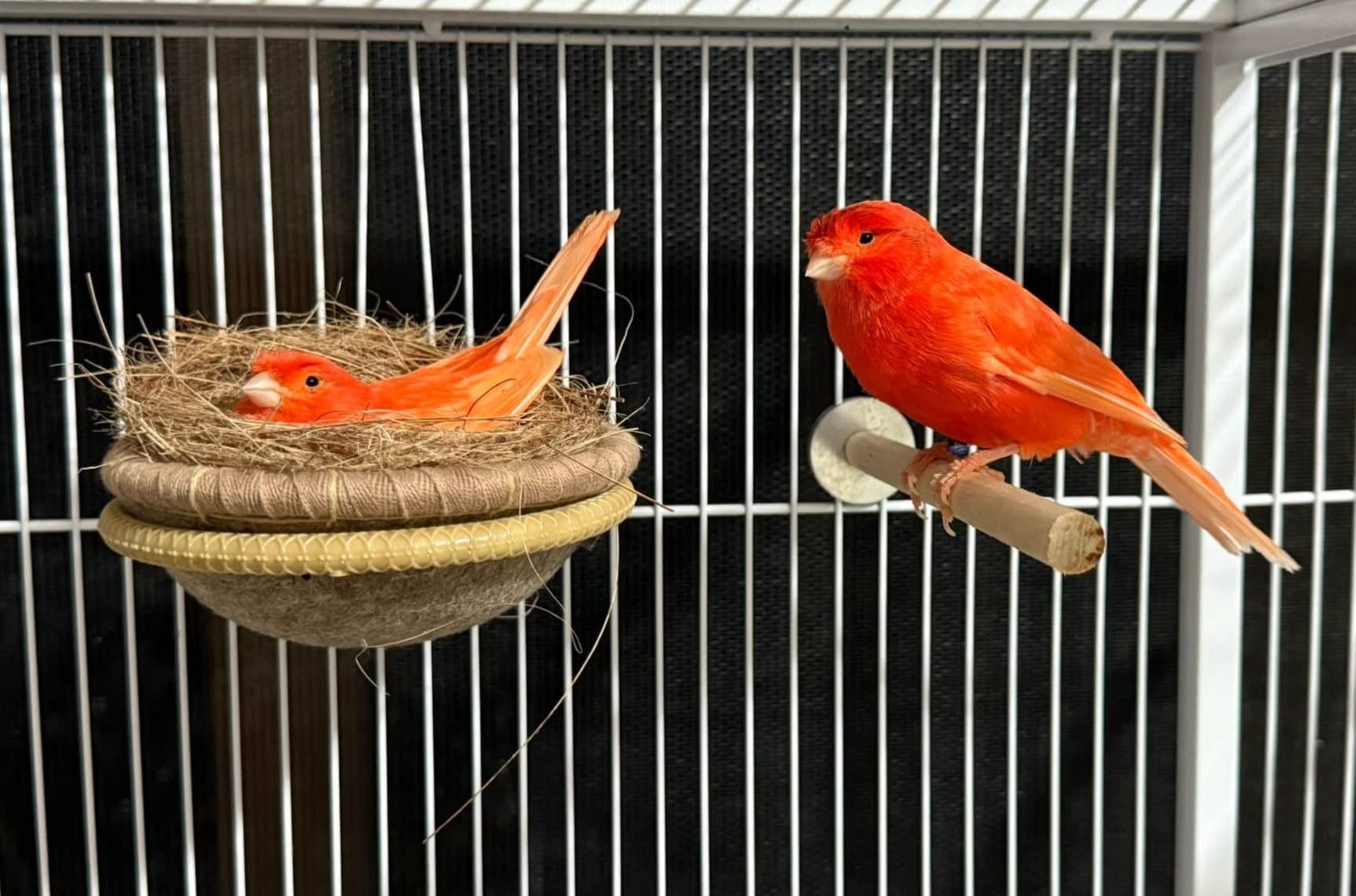
Raising and breeding red factor canaries is one of the most rewarding challenges in the canary fancy. Unlike standard yellow varieties, the red factor canary is a product of genetic engineering, originated in 1926 by hybridizing the domestic canary with the Venezuelan Black-hooded Red Siskin. This lineage gives them the unique ability to metabolize red pigments into their feathers—a trait that requires both genetic understanding and precise nutritional care to maintain. Whether you are a beginner or looking to refine an expert stud, this guide covers the practical essentials for success.
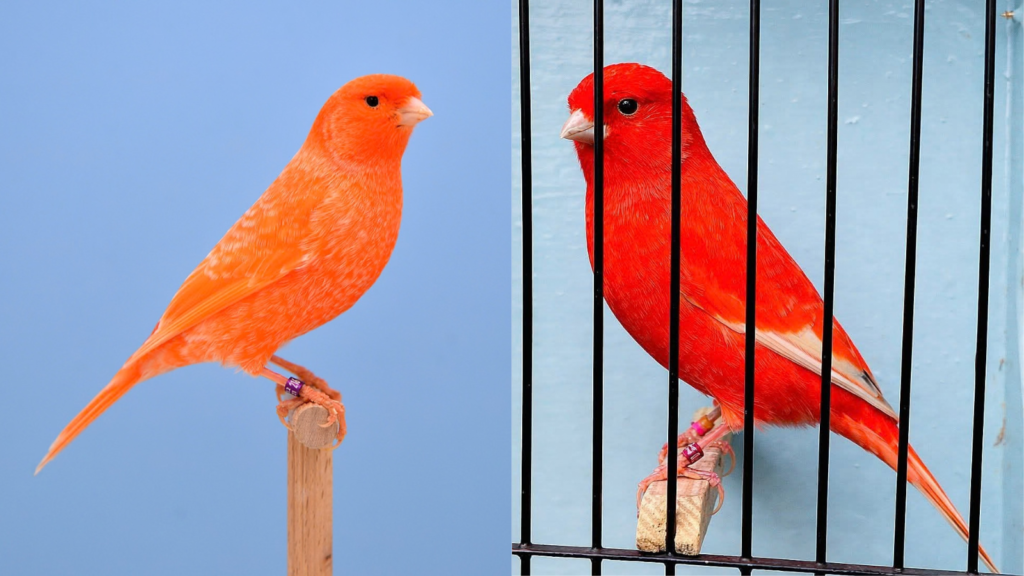
Table of Contents
Choosing Your Foundation Stock
Success in red factor canary breeding begins with the quality of your birds.
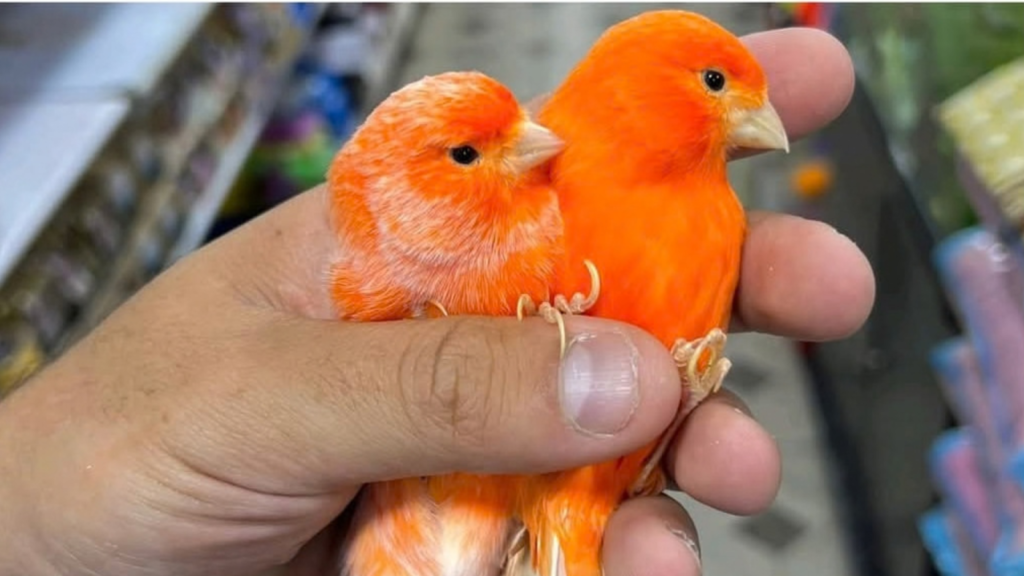
- Buy from Exhibitors: Purchase from reputable breeders who actively exhibit their stock. This ensures the birds are of high quality and that the breeder is knowledgeable about their lineage. Avoid “unsexed” birds sold cheaply; these are often hens the breeder is culling.
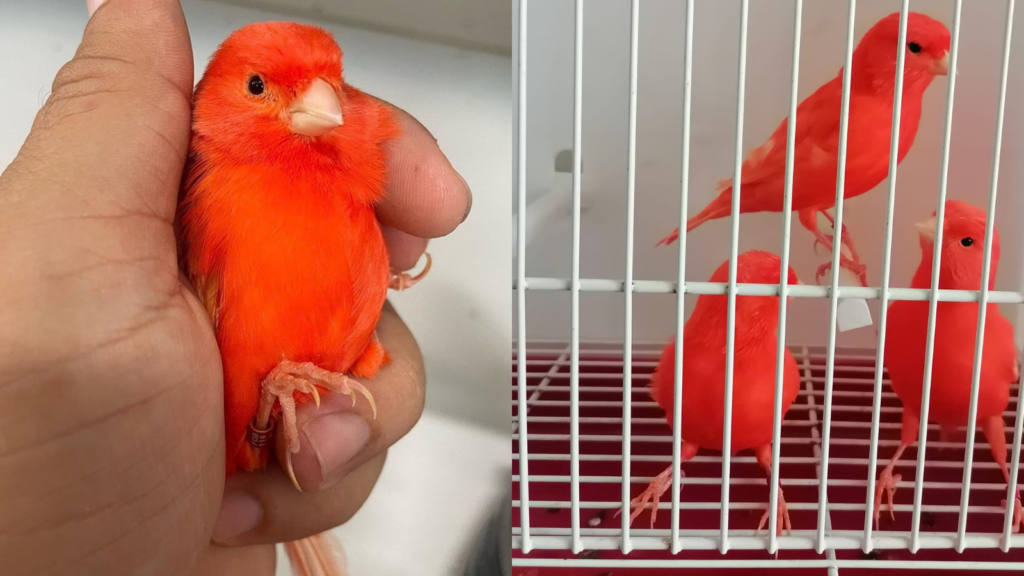
- The Health Checklist: Look for alert birds with tight, clean plumage and bright eyes. Avoid any bird that is soiled around the vent or shows a “pumping” tail motion, which indicates respiratory distress.
- Optimal Timing: October or November is the best time to acquire new stock, allowing birds to acclimate to your birdroom before the spring breeding season.
Professional Housing and Environment
Red factors are hardy but thrive best in controlled, clean environments.
- The Double Breeding Cage: In the context of red factor canary breeding, the 90 cm cages are the gold standard because they allow for a central divider. This is crucial for:
- Controlled Introduction: Allowing the pair to see each other through a wire partition before physical contact.
- Safe Weaning: Keeping the fledglings on one side while the hen starts a second nest on the other. The parents can still feed the chicks through the bars, preventing the chicks from “helping” with the new nest and accidentally breaking eggs.
- Sanitation Protocols: Daily cleaning is essential to prevent parasites like red mites. Use absorbent floor coverings like coarse sawdust or ground corncobs, which also cushion eggs that might be accidentally dropped.
- Climate Control: To maintain optimal conditions for your birds, here are the temperature conversions for red factor canary breeding:
- Minimum Temperature: 4.5°C (The lowest safe threshold; while they can survive slight frosts, it is not recommended for breeding).
- Maximum Temperature: 26.5°C (Avoid exceeding this to prevent heat stress).
- Ideal Breeding Temperature: Approximately 18°C.
- Maintaining your birdroom at a steady 18°C is considered the “sweet spot” by experts, as it encourages consistent nesting behavior and ensures the hen does not lose too much body heat while incubating the eggs.
- Lighting: Use timers to gradually increase daylight to 14–15 hours to trigger the breeding cycle. Sudden changes in light should be avoided; a gradual dawn/dusk simulation is best for the birds’ well-being.
Master-Level Nutrition and Color Feeding
The defining characteristic of the red factor canary is its color, which is entirely dependent on its diet during the molt.
- The Base Diet: A high-quality mixture of 75% canary grass seed and 25% rapeseed is a standard maintenance diet.
- Color-Feeding (The Secret to Red): Without specific red-enhancing nutrients, a red factor will revert to orange or yellow-orange after its molt.
- Natural Sources: Grated carrots, sweet peppers, and beets are excellent sources of beta-carotene.
- Synthetic Agents: Many expert breeders use specialized agents like canthaxanthin or beta-carotene powders added to water or soft food during the molting season to achieve deep, level color.
- Calcium and Grit: Hens require constant access to cuttlebone and mineral grit for eggshell formation.
The Breeding Cycle: Precision Management
Breeding typically begins in the spring as daylight hours increase.
- Conditioning: Increase protein intake with soft “egg food” (boiled egg mixed with biscuit crumbs).
- Mating: Introduce the pair when the hen begins carrying nesting material like short animal hair, dry grass, or moss.
- Egg Management: To ensure all chicks hatch at once, replace the first three eggs with “dummy eggs”. Return the real eggs once the fourth is laid.
- Hatching: Incubation lasts 13 to 14 days.
- Weaning: Chicks leave the nest around 15 to 21 days but are usually independent between 21 and 25 days old.
Key Takeaways for Success
- Line-breeding: To maintain color and form, use line-breeding strategies (e.g., father to daughter) rather than mating unrelated “collections” of birds.
- Quarantine: Always quarantine new birds for 30 days before introducing them to your established stud to prevent the spread of disease.
FAQ
Why did my Red Factor canary turn orange?
Red Factor canaries must be fed specific red-pigmenting foods or supplements during their annual molt to maintain their red color; otherwise, they revert to orange.
What is the best way to prevent egg-binding in hens?
Provide a diet rich in calcium and oil seeds like niger, and ensure the room temperature stays above 45°F during the laying period.
Can I breed a red factor with a yellow canary?
Yes, but the offspring will likely be “apricot” or diluted orange. For deep red results, experts breed red to red or utilize the red siskin for color improvement.
How long do canaries live?
With proper hygiene and nutrition, a healthy canary can live between 10 to 15 years.
What is the “lethal factor” in canary breeding?
This occurs when breeding two intensive red canaries together. Approximately 25% of the embryos will die in the shell. It is always safer to mate a white bird with a yellow or red bird.
Did you enjoy this article?
Help other pet lovers benefit too — Share it on social media! 🐾💚
Leave a Reply