
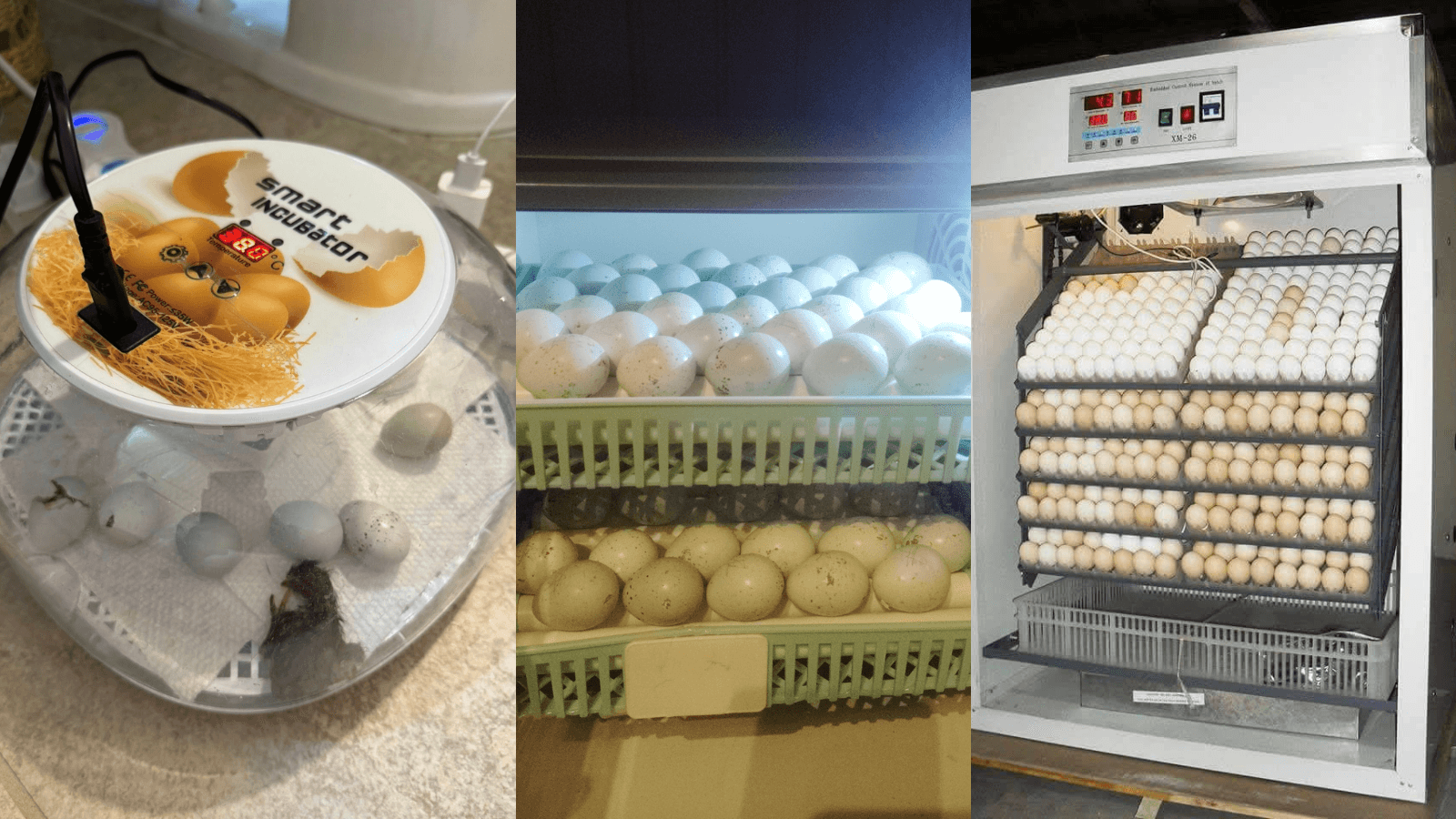
Every failure in parrot breeding is a crucial lesson. A dead-in-shell chick is not a waste; it’s a diagnostic opportunity. This guide provides a systematic approach to decoding your incubation mistakes through egg necropsy and identifying patterns in deaths.
Table of Contents
1.0 Diagnosing Temperature and Humidity Related Deaths
When a death trend develops across multiple eggs, a close examination of the embryos reveals the environmental cause.
- Drowning (Wet Hatch): The most common death. The chick will be light pink, very soft, and swollen with edema (excess fluids under the skin). Its beak and nares may be congested with fluid. Diagnosis: Wet Bulb temperature was consistently too high, resulting in insufficient fluid loss.
- Severe Dehydration (Dry Hatch): The chick is very small, dry, wrinkled, and physically stuck to the inner shell membranes. The eggshell itself may be flaky and crumbling. Diagnosis: Wet Bulb temperature was consistently too low, resulting in excessive fluid loss.
- Overheating: The embryo will appear bright red (“as red as a rose”), looking as if the blood vessels under the skin have burst. Diagnosis: Dry Bulb temperature was consistently too high, accelerating development dangerously.
- Delayed Development: Chicks that are significantly behind in development for the number of incubation days received often died due to temperatures that were consistently too low.
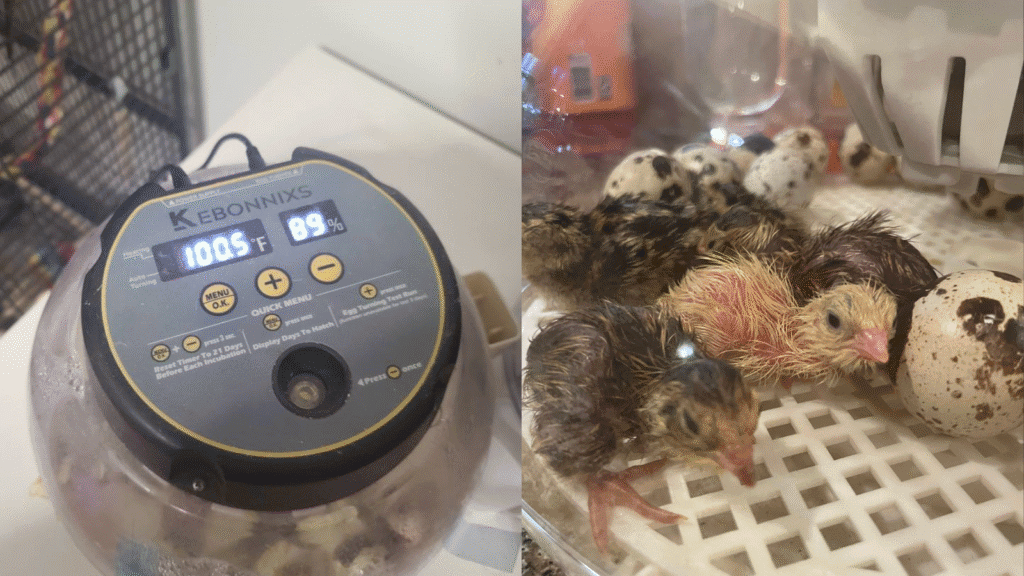
2.0 Recognizing Errors and Trauma
- Blood Ring Development: This ring of separated blood around the yolk is the classic sign of an early death, often occurring before a recognizable embryo forms. Cause: Incompatible genetics, severe temperature extremes, or trauma (egg jarred or dropped). If a parrot breeding pair produces numerous blood ring eggs, consider switching to artificial incubation to bypass rough parental handling.
- Thick Shell Suffocation: If a chick died fully formed and left scratch marks near the pip site inside the tough shell, the chick suffocated because the shell was too thick to break through. This is an excellent clue that future eggs from this hen must be managed with measures to increase porosity.
- Contamination Check: If the fluid inside the egg has a foul odor, or discoloration (brownish-green) is noticed, suspect a bacterial culture problem. Action: Deep clean and disinfect all incubators and brooders.
- Congenital Deaths: Recognizing problems like exposed spinal columns are important, as these are often genetic, not incubation-related.
3.0 Using Necropsy to Drive Parrot Breeding Success
Every necropsy should be followed by meticulous record-keeping to identify patterns and refine your program.
- The Value of Failure: Use the log sheets to compare the final result against the incubation parameters (temperature, humidity, handling). This trend analysis is the single most effective way to improve your success rate in parrot breeding.
- Professional Warning: If you send an embryo for professional evaluation, remember the warning: “A horse is not a cow, and a parrot is not a chicken.” Avian pathologists with experience only in domestic poultry may misdiagnose subtle parrot-specific issues.
- Preserving Eggs for Science: Unhatched eggs of common or rare species are needed by museums and universities for data collection. Preserving them by carefully draining the contents and rinsing with a bleach solution contributes valuable information to the field of aviculture.
FAQ
Q1: What are the absolute best foods to feed my parrots to ensure fertile eggs?
A1: A diet balanced in Calcium, Phosphorus, and Vitamin D$_{3}$ is critical. Avoid seed-heavy diets, which are high in fat and lead to deficiencies. Calcium-rich sources like cuttlebone are excellent supplements. The embryo requires these nutrients directly from the parent to form a strong skeleton.
Q2: When should I move my parrot eggs from the incubator to the hatcher?
A2: Eggs should be moved to the hatcher and turning stopped as soon as drawdown (internal pip) occurs. The hatcher is set at a lower temperature (approx. $98.5^{\circ}F$) and much higher humidity.
Q3: Is it better for my parrot eggs to lose slightly too much weight (dry hatch) or too little weight (wet hatch) during incubation?
A3: Given the choice, it is always safer to choose a higher weight loss (dry hatch). Chicks that fail to lose enough weight (wet hatch) will often drown when pip time arrives. A slightly dehydrated chick is easier to rescue and recover (by feeding Lactated Ringer’s solution) than a drowned one.
Q4: Can I use broody chickens to incubate my valuable parrot eggs?
A4: Yes, an organized system using broody chickens (like Cochin Bantams) can be highly successful, even serving as a backup for power failures. Eggs must be pulled approximately five days before their expected hatch date and moved to a mechanical hatcher for the final, most sensitive stage.
Did you enjoy this article?
Help other pet lovers benefit too — Share it on social media! 🐾💚
Leave a Reply