
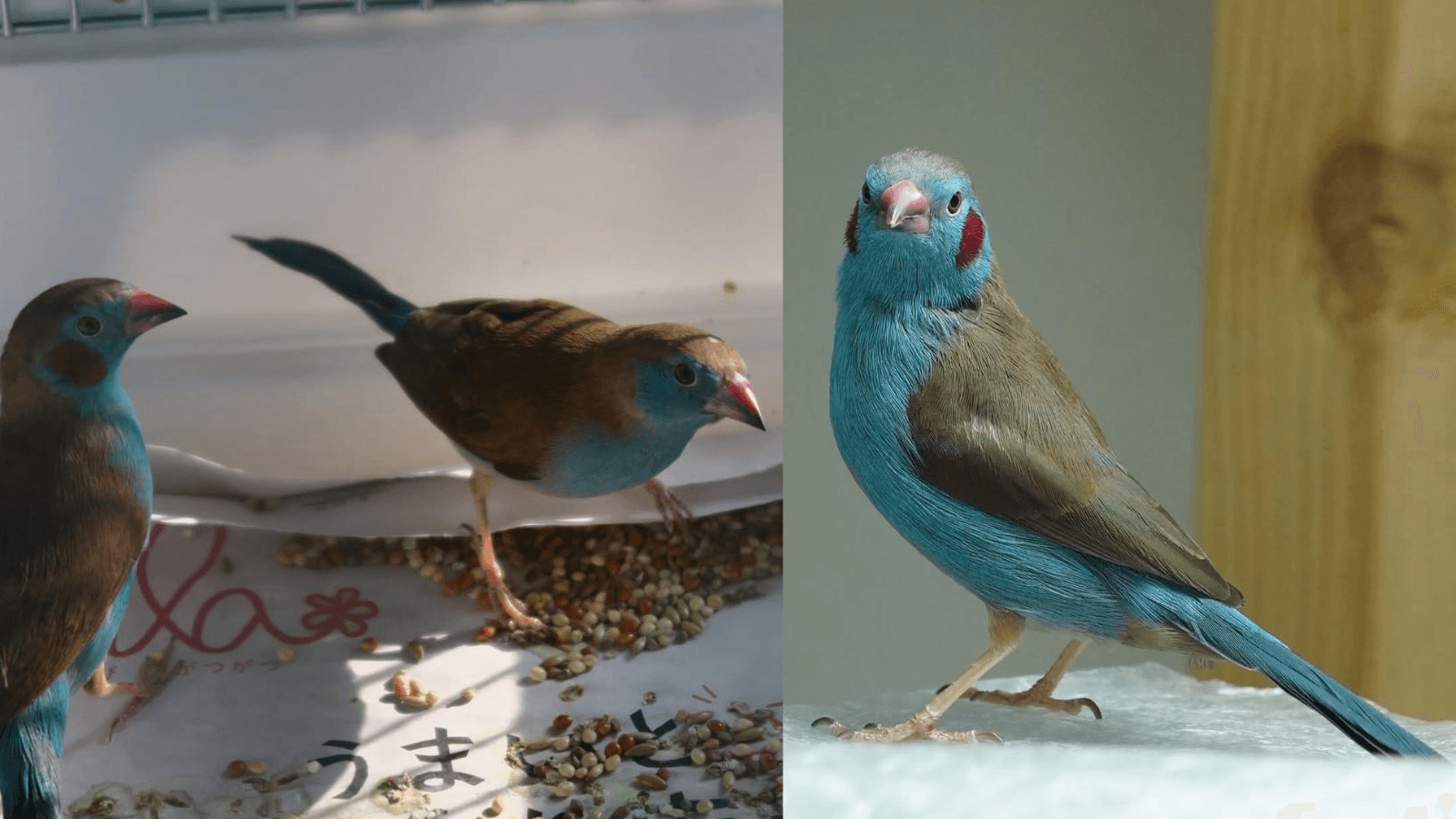
The red-cheeked cordon-bleu stands among Africa’s most visually stunning and behaviorally captivating waxbill species. Native to eastern Africa’s savannas and scrublands, this small estrildid enchants breeders with its brilliant sky-blue plumage, distinctive crimson cheek patches, and animated personality. Unlike many waxbills requiring exacting conditions, the red-cheeked cordon-bleu demonstrates moderate hardiness once acclimated, making it accessible to dedicated intermediate-level breeders willing to meet its specific requirements. However, successful breeding demands attention to detail—particularly regarding live food provision, humidity management, and stress reduction. This guide provides essential techniques for maintaining healthy pairs and achieving consistent reproductive success with this rewarding African birds.
Table of Contents
Quick Facts
Scientific Name: Uraeginthus bengalus
Common Names: Red-cheeked Cordon-bleu, Red-cheeked Blue Waxbill
Size: 12–13 cm (4.7–5.1 inches)
Weight: 9–12 grams
Lifespan: 5–7 years typical; 9–10 years with optimal care
Sexual Maturity: 6–8 months (breeding optimal at 9+ months)
Clutch Size: 3–6 eggs (typically 4–5)
Incubation Period: 11–13 days (average 12 days)
Banding Timing: Day 5–7 using 2.0mm or 2.3mm closed bands
Fledging Age: 17–21 days
Temperament: Active, social, can be territorial during breeding
Sexual Dimorphism
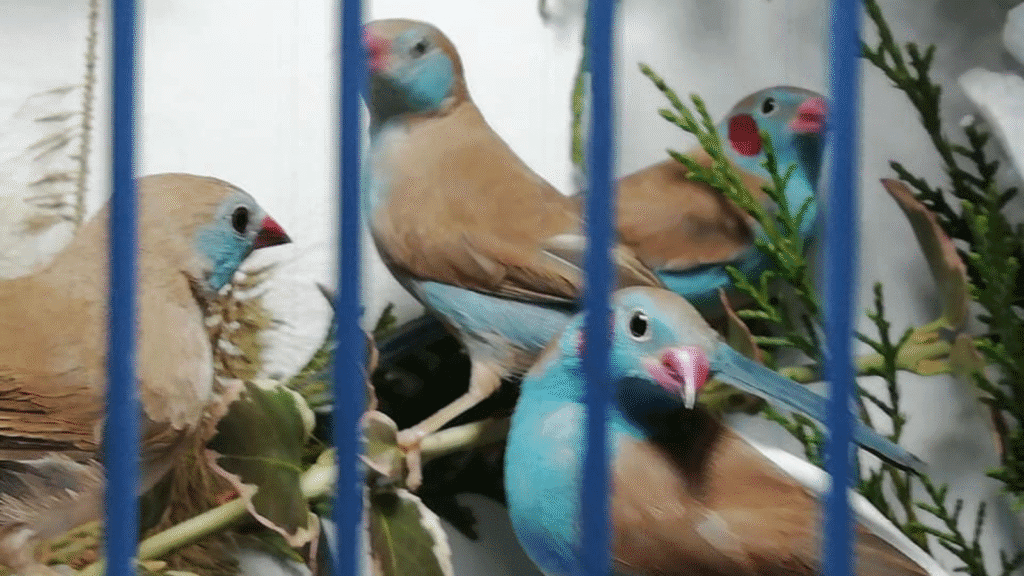
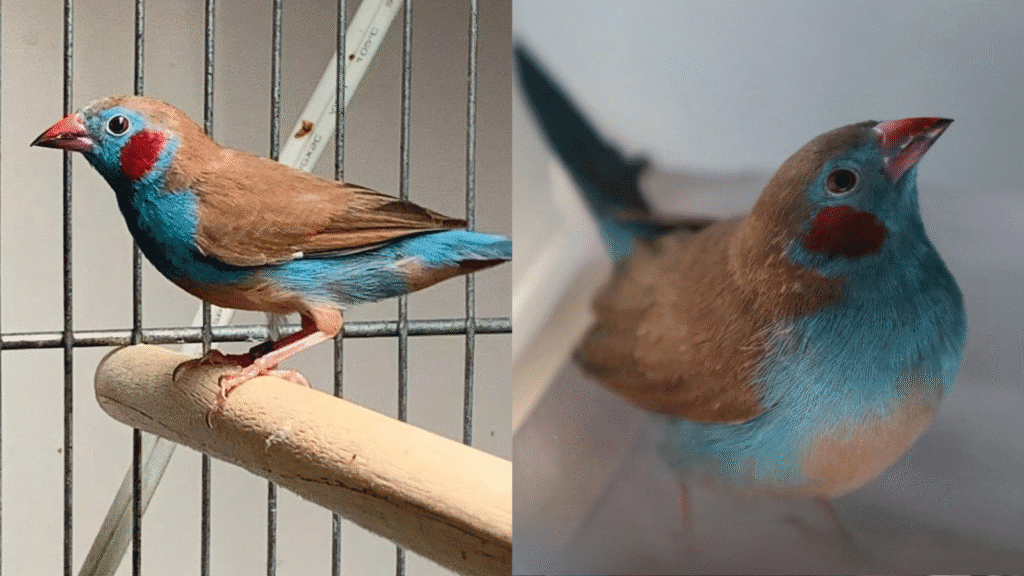
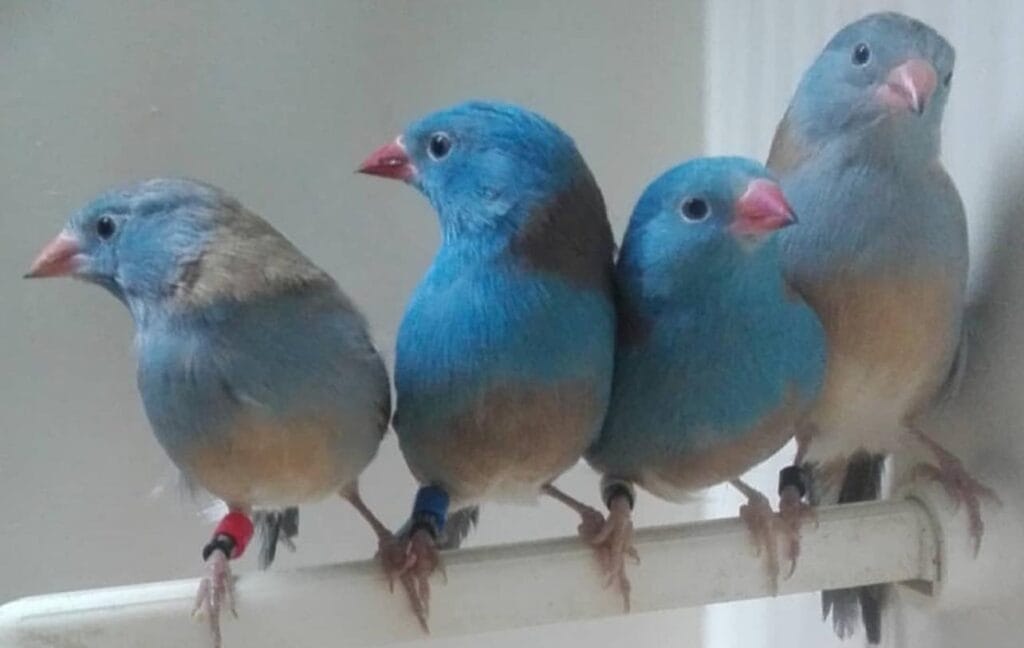
Red-cheeked cordon-bleu exhibit clear sexual dimorphism once mature, simplifying pair identification. Males display the characteristic crimson-red cheek patches extending from below the eyes—the species’ most distinctive feature. The blue plumage on head, throat, breast, and upperparts appears more extensive and vivid with richer saturation. Overall coloration presents as brighter and more contrasted.
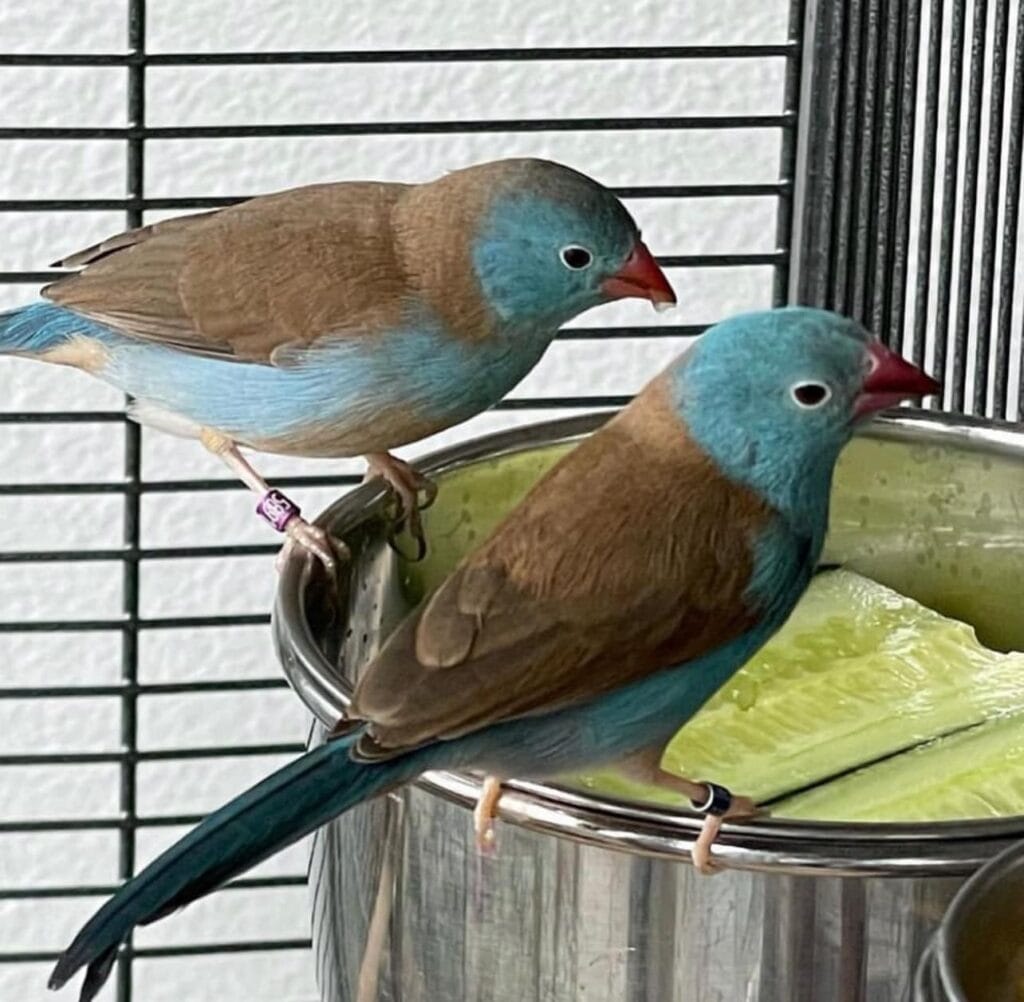
Females lack the red cheek patches entirely, showing plain blue heads without any crimson coloration. Their blue plumage appears slightly paler and less extensive, with brown tones more prominent on the back and wings. The breast shows less blue coverage with more buff-brown infiltration.
Juvenile birds resemble dull females with reduced blue coloration and overall subdued plumage. Males develop cheek patches gradually during first molt at 8–12 weeks, initially appearing as faint orange spots before intensifying to adult crimson.
Diet in Wild Habitat & Captive Nutrition
Natural Feeding Ecology
In their native eastern African range spanning Ethiopia to Tanzania, red-cheeked cordon-bleu inhabit open savannas, acacia woodlands, and scrubland edges. They feed primarily on small grass seeds, termites, ants, and other insects, with live prey comprising significant dietary proportions—especially during breeding season and chick-rearing.
Comprehensive Captive Diet
Foundation seed mix: High-quality small finch blend containing white millet, red millet, panicum, Japanese millet, and canary seed as primary components. Avoid coarse mixes with excessive large seeds.
Critical live food: Unlike many finches tolerating egg food substitutes, red-cheeked cordon-bleu require abundant live insects for successful breeding. Provide small mealworms, waxworms, termites, fruit flies, and micro crickets daily during breeding season. Insufficient live food causes chick mortality and breeding abandonment.
Supplementation: Sprouted seeds 4–5 times weekly dramatically improve condition. High-protein egg food daily during breeding complements (but doesn’t replace) live insects. Fresh greens including chickweed, dandelion, and seeding grasses rotated regularly. Cuttlebone and crushed oyster shell grit constantly available. Fresh water changed daily.
Feeding behavior: Red-cheeked cordon-bleu are active foragers preferring ground feeding. Scatter some seed on clean substrate encouraging natural foraging behavior.
Housing & Aviary Setup
Red-cheeked cordon-bleu require thoughtfully designed housing addressing their specific behavioral and environmental needs.
Space Requirements
Breeding pair: Minimum 120cm L × 60cm W × 90cm H; larger dimensions improve success
Small colony (2–3 pairs): 3m L × 1.5m W × 2m H minimum with visual barriers
Mixed collection: 3.5m+ length for housing with compatible species
Critical Housing Elements
Flight space: Emphasize horizontal distance. Red-cheeked cordon-bleu are active, agile fliers requiring substantial unobstructed flight paths for exercise and courtship displays.
Perching strategy: Fine natural branches (6–10mm diameter) at varying heights. Include some dense cover areas where birds can retreat when stressed. Position perches enabling males to perform aerial display flights.
Planted elements: Live or artificial grasses, small shrubs, and ground cover provide psychological security. Red-cheeked cordon-bleu appreciate complex environments with varied microhabitats.
Substrate: Fine sand or paper-based bedding. Some breeders provide bare earth areas for dust bathing, though maintain cleanliness vigilantly.
Climate requirements: Sensitive to cold and dampness. Maintain minimum 18°C (64°F) for breeding pairs; 15°C (59°F) absolute minimum. Native to tropical regions; prefer 22–28°C (72–82°F). Provide supplemental heating during cold periods.
Humidity management: Moderate humidity (50–65%) important during breeding, especially hatching period. Low humidity causes egg membrane desiccation and hatching difficulties.
Photoperiod: 13–14 hours light stimulates breeding. Natural lighting preferred; supplement with full-spectrum bulbs if necessary.
Compatibility: Generally peaceful with similar-sized finches (star finches, Gouldians, other waxbills). Monitor for territorial aggression during breeding. Avoid housing with aggressive species.
Nestbox & Breeding Management
Nest Structure Preferences
Red-cheeked cordon-bleu prefer enclosed structures: wicker/bamboo nests (10–12cm diameter), wooden nestboxes (10cm × 10cm × 12cm with 3.5–4cm entrance), or half-open boxes in very sheltered locations. Position 1–1.5m high with entrance facing away from prevailing winds.
Nesting Materials
Provide long fine grasses (10–20cm), coconut fiber, soft hay, feathers, and plant down. Pairs build substantial dome nests with side entrances, incorporating soft materials for lining. Fresh grass availability stimulates nest building.
Breeding Protocol
Pre-breeding conditioning: 8–10 weeks enriched nutrition with gradually increasing live food provision. Ensure excellent body condition and full feathering before pairing.
Courtship behavior: Males perform elaborate displays—hopping with grass stems in beak while singing, combined with aerial flight displays. Bonded pairs show strong attachment.
Egg laying & incubation: Both parents share incubation duties relatively equally. Females typically incubate at night. Avoid unnecessary disturbance; red-cheeked cordon-bleu can abandon nests if stressed.
Critical chick-rearing phase: Days 1–14 absolutely require abundant live food. Parents feed chicks primarily insects with occasional seed. Insufficient insect availability causes chick starvation or abandonment. Offer multiple live food types ensuring continuous supply.
Development timeline: Chicks hatch with sparse down. Band days 5–7 (timing critical due to rapid growth). Eyes open day 7–8. Fledge days 17–21 but require parental feeding 10–14 additional days.
Clutch management: Limit pairs to 2–3 clutches annually with enforced 8–10 week rest. Red-cheeked cordon-bleu can over-breed if permitted, causing hen exhaustion.
Aviculture & Conservation Notes
Red-cheeked cordon-bleu have been maintained in aviculture since the 1800s with varying success. Early breeding attempts often failed due to inadequate live food provision and environmental stress. Modern understanding of their requirements has improved breeding consistency.
Wild populations remain relatively stable across much of their range, though localized declines occur due to habitat modification. Both wild-caught and captive-bred birds enter the trade, though captive-bred specimens adapt better to aviary conditions and show reduced stress-related mortality.
Genetic management: Maintain unrelated breeding stock when possible. Outcross every 3–4 generations to preserve vigor. Some breeders report increased domestication and breeding reliability in multi-generation captive-bred lines versus wild-caught founders.
Color variations: Wild-type coloration predominates. Occasional paler or darker individuals appear, but no established mutations exist comparable to Australian finch varieties.
Health, Parasite Control & Common Issues
Preventive protocols: Strict 30–45 day quarantine for new birds, especially wild-caught specimens carrying parasites or diseases. Fecal testing essential before introduction. Fenbendazole treatment every 3–4 months. Monitor for air sac mites causing respiratory symptoms. Coccidiosis prevention through dry substrate maintenance.
Common health challenges:
Stress-related mortality: Red-cheeked cordon-bleu are more stress-sensitive than Australian finches. Minimize handling, provide adequate cover, and avoid frequent environmental changes.
Respiratory infections: Cold temperatures, dampness, or poor ventilation increase susceptibility. Symptoms include labored breathing, clicking sounds, or nasal discharge requiring immediate veterinary intervention.
Egg binding: Calcium deficiency, cold temperatures, or first-time layers most susceptible. Maintain adequate warmth and mineral supplementation during laying.
Chick mortality: Almost always attributable to insufficient live food provision. Ensure multiple insect types available continuously throughout rearing period.
Feather problems: Nutritional deficiencies or stress. Ensure varied diet with adequate protein and minimize disturbances.
External parasites: More common in wild-caught birds. Treat with appropriate insecticides and disinfect housing thoroughly.
Breeder’s Tips & Checklist
✓ Live food abundance: Establish reliable insect sources before attempting breeding
✓ Temperature monitoring: Maintain consistent warmth; avoid temperature fluctuations
✓ Humidity during hatching: Increase to 60–65% days 10–13 of incubation
✓ Minimal disturbance: Limit nest checks to essential inspections only
✓ Multiple pairs: Keep backup pairs as emergency fosters if needed
✓ Stress reduction: Provide adequate cover and visual barriers
✓ Gradual acclimatization: New birds require extended adjustment periods
✓ Supplemental heating: Use ceramic heat emitters during cold weather
✓ Insect variety: Offer 3–4 different live food types continuously
✓ Pair compatibility: Allow natural pair formation when possible
✓ Record keeping: Document clutch success rates and identify successful pairs
faq
Q: Can I successfully breed red-cheeked cordon-bleu without live food?
A: No. Unlike some finches accepting egg food substitutes, red-cheeked cordon-bleu require abundant live insects for successful chick-rearing. Attempts to substitute with egg food alone result in chick mortality or nest abandonment. Establish reliable live food sources before breeding.
Q: Are red-cheeked cordon-bleu suitable for beginners?
A: Not recommended for true beginners. They require intermediate-level experience with live food management, temperature control, and stress-sensitive species handling. Begin with hardier finches (zebra, society) before advancing to red-cheeked cordon-bleu.
Q: Why did my pair abandon their nest after laying eggs?
A: Common causes include environmental stress (disturbances, temperature fluctuations, inadequate cover), insufficient live food availability, poor pair compatibility, or inexperienced birds. Verify all environmental parameters, ensure abundant insects, and minimize disturbances. First-time pairs often improve with subsequent attempts.
Q: What’s the difference between captive-bred and wild-caught red-cheeked cordon-bleu?
A: Captive-bred birds adapt better to aviary conditions, show reduced stress responses, and often breed more reliably. Wild-caught birds require extended acclimatization, carry higher parasite loads, and may never fully adjust to captivity. Always prioritize captive-bred specimens when available, supporting ethical aviculture while achieving better breeding outcomes.
Did you enjoy this article?
Help other pet lovers benefit too — Share it on social media! 🐾💚
Leave a Reply