
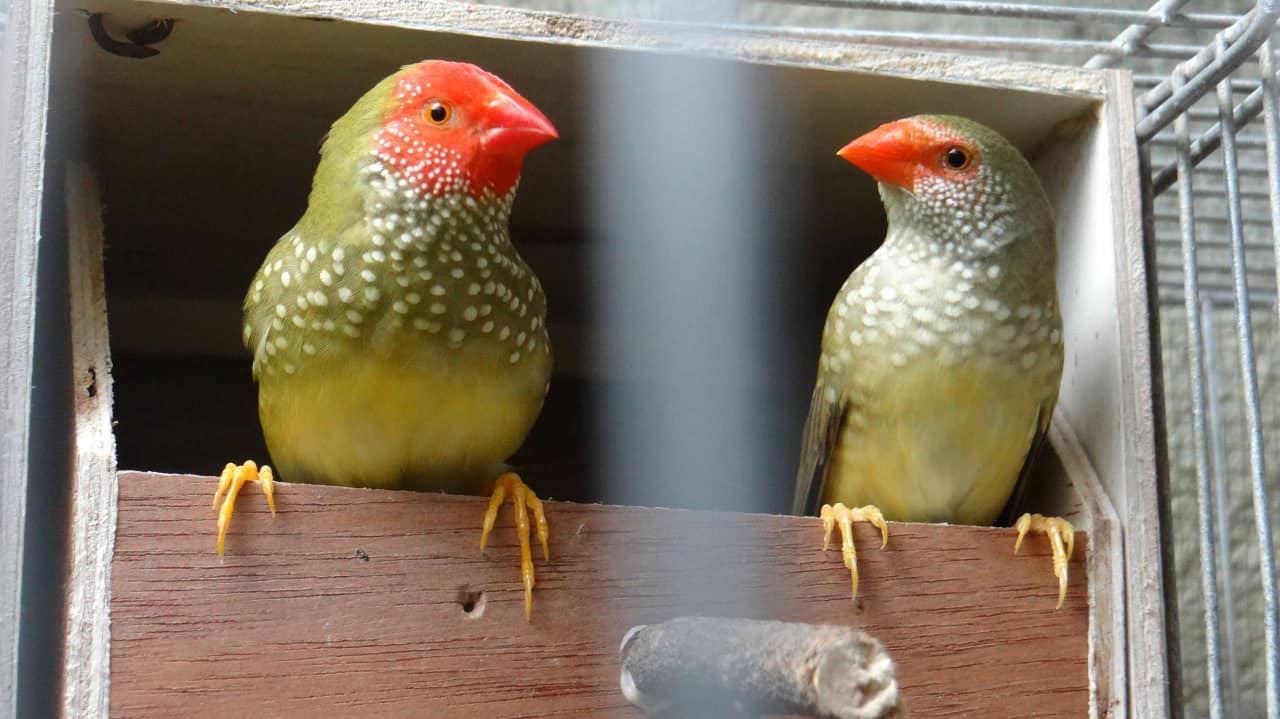
The star finch (Bathilda ruficauda) stands among Australia’s most sought-after aviary birds, prized by breeders worldwide for its vibrant plumage, gentle temperament, and reliable breeding performance. Native to northern Australia’s grasslands, this charismatic estrildid finch has become a staple in serious aviculture collections. Whether you’re establishing your first breeding program or refining your existing setup, understanding the specific husbandry requirements of star finches ensures consistent reproductive success and healthy, vigorous offspring.
Table of Contents
Quick Facts
Scientific Name: Bathilda ruficauda (formerly Neochmia ruficauda)
Common Names: Star Finch, Ruficauda
Size: 10–12 cm (4–4.7 inches)
Weight: 12–16 grams
Lifespan: 5–8 years in captivity (up to 10 with optimal care)
Sexual Maturity: 9–12 months (breeding not recommended before 10 months)
Clutch Size: 4–6 eggs (occasionally 7)
Incubation Period: 12–13 days
Banding: Day 6–8 with 2.5mm or 2.9mm closed bands
Fledging Age: 19–21 days
CITES Status: Not listed; captive-bred widely available
Temperament: Peaceful, social, colony-compatible with similar-sized finches
Sexual Dimorphism
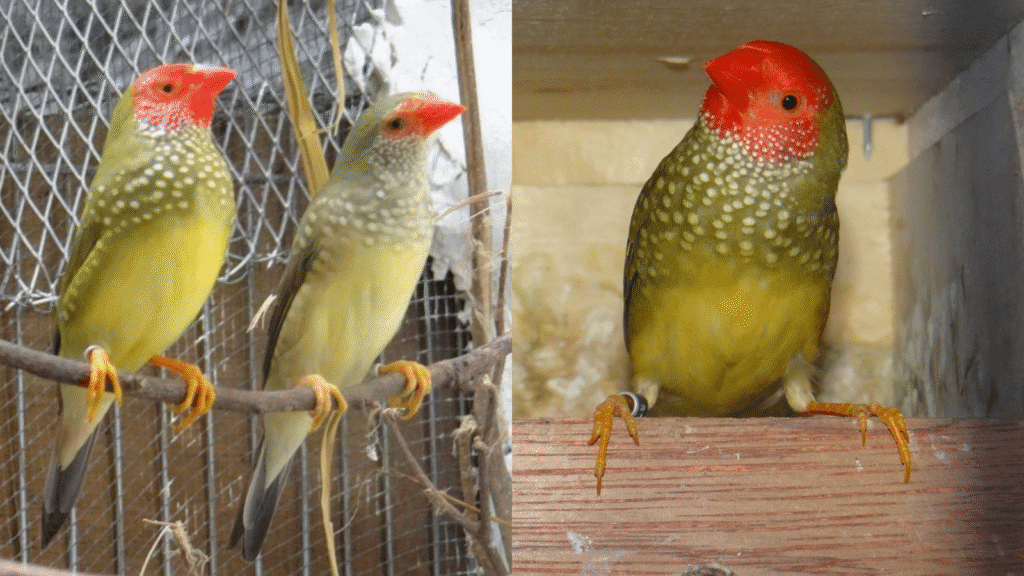
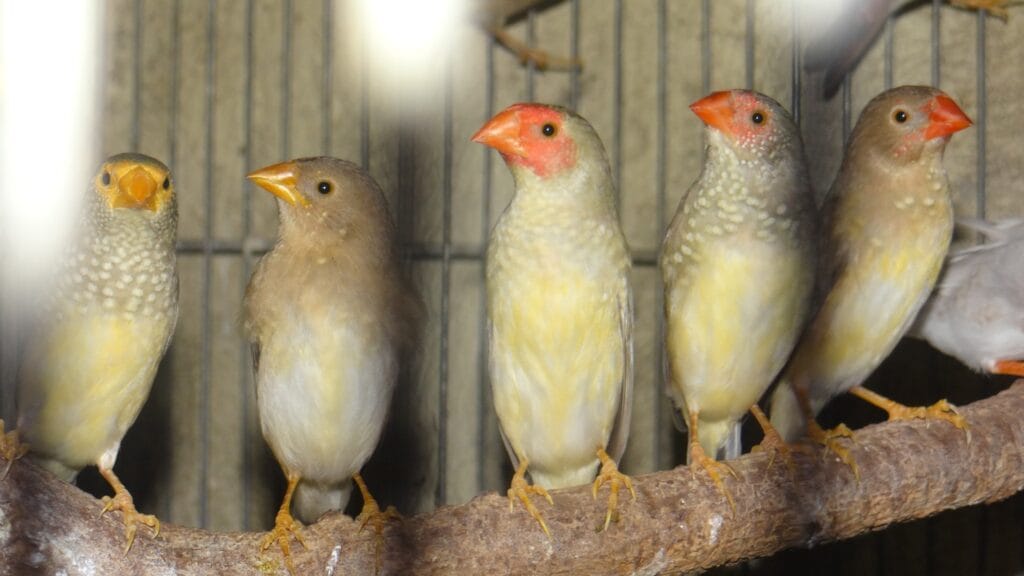
Male star finches display distinctly brighter red facial masks extending from the forehead through the lores to the chin, with more pronounced white spotting across the breast, flanks, and face—the characteristic “stars” that give the species its name. The crimson upperparts appear more saturated in males, particularly during breeding condition.
Females show paler, more orange-toned facial coloration with reduced mask coverage, often stopping at the lores. Their spotting appears less dense and slightly smaller. Juvenile birds of both sexes resemble dull females until their first molt at 8–10 weeks, making early sexing challenging without experienced observation.
Diet in the Wild & Captivity
Wild Diet
In their natural Australian habitat, star finches consume primarily grass seeds (particularly Sorghum and Panicum species), supplemented with insects during breeding season and fresh grass shoots after rains.
Captive Diet
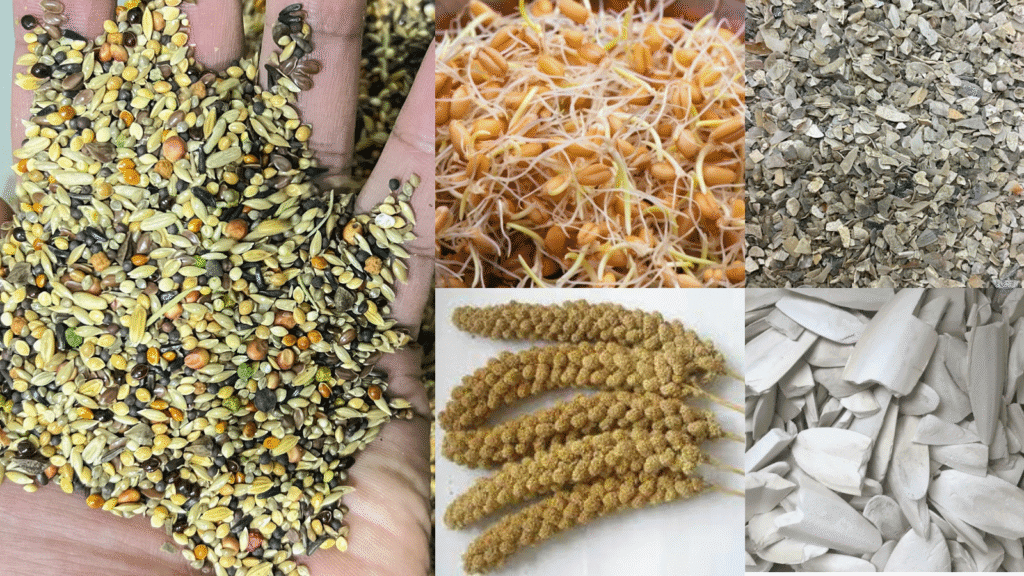
A quality small finch seed mix forms the foundation, containing white millet, panicum, Japanese millet, and canary seed. Supplement daily with:
- Sprouted seeds: Increases nutritional availability and stimulates breeding condition
- Egg food: Commercial or homemade mixture during breeding and molting
- Live food: Small mealworms, termites, or fruit flies (essential for chick-rearing success)
- Greens: Chickweed, dandelion, seeding grasses, spinach (in moderation)
- Minerals: Cuttlebone, oyster shell grit, and quality mineral block
Fresh water must be available at all times. During breeding season, increase protein sources to 30–40% of total diet.
Housing & Aviary Setup
Star finches thrive in spacious planted aviaries rather than small cages. Minimum dimensions for a breeding pair: 120cm L × 60cm W × 90cm H, though larger is always preferable.
Key Housing Requirements
Flight Space: Horizontal flying distance is more important than height; provide at least 1.5 meters of unobstructed flight path.
Perching: Natural branches of varying diameters (6–10mm), positioned to encourage flight rather than hopping.
Plantings: Live or artificial grasses, safe shrubs (Callistemon, Melaleuca), and cover plants reduce stress and provide nesting material.
Substrate: Sand, fine gravel, or paper for easy cleaning. Avoid corn cob bedding which harbors mold.
Temperature: Hardy once acclimated; provide frost-free shelter (minimum 10°C/50°F) and shade during summer heat.
Compatibility: Excellent in mixed collections with zebra finches, Gouldians, and other peaceful estrildids. Avoid housing with aggressive species.
Nestbox & Breeding Management
Star finches accept various nest structures but prefer enclosed boxes with side or front entrances.
Optimal Nestbox Specifications
- Dimensions: 12cm × 12cm × 12cm internal
- Entrance hole: 4–5cm diameter, positioned upper third
- Placement: 1.5–2 meters high in sheltered location
- Quantity: Provide 2–3 boxes per pair to allow selection
Nesting Materials
Offer long, dry grasses, coconut fiber, sisal, and soft hay. Pairs build substantial dome nests inside boxes, often with entrance tunnel.
Breeding Season Management
Natural breeding occurs September–February (Southern Hemisphere), but captive birds may breed year-round with proper photoperiod (14 hours light). Limit pairs to 2–3 clutches annually to prevent exhaustion.
Both parents incubate and brood. Chicks hatch with sparse down and develop rapidly. Ensure abundant live food availability—insufficient protein causes chick mortality. Remove juveniles at 35–40 days to prevent interference with subsequent nests.
Aviculture & Conservation Notes
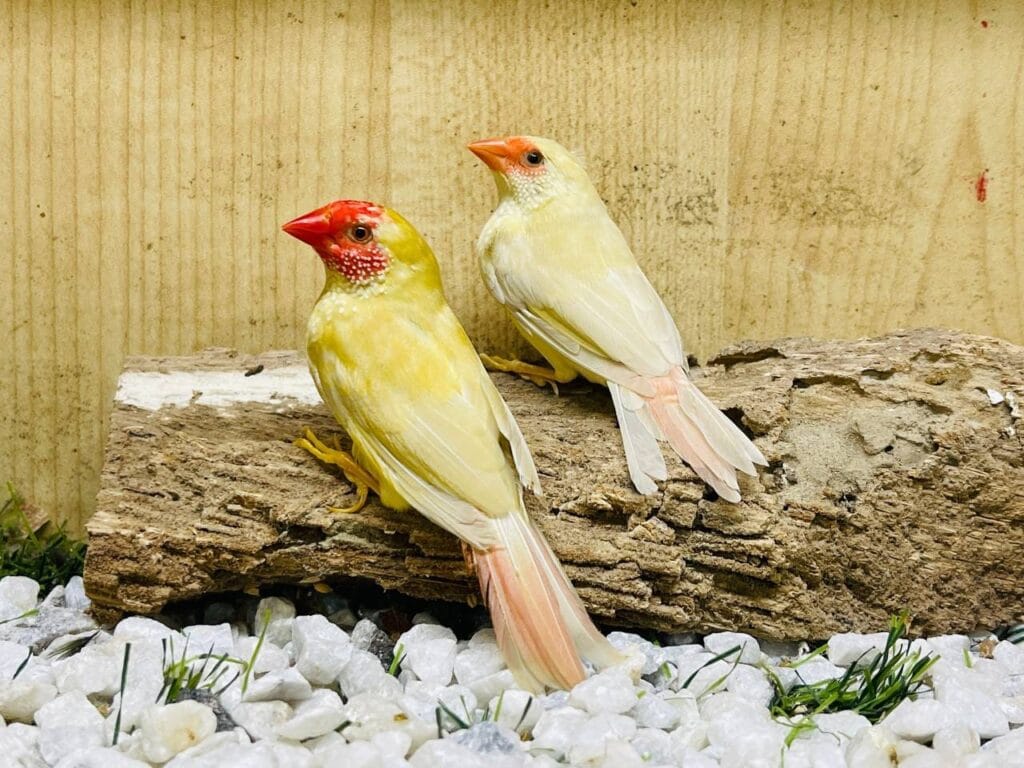
The star finch exists in stable numbers in aviculture despite declining wild populations in parts of its range due to habitat modification. Captive breeding programs maintain genetic diversity, with yellow and fawn color mutations now established alongside the wild-type nominate subspecies.
Responsible breeders maintain detailed records, avoid excessive inbreeding, and prioritize vigor over purely aesthetic traits. The species’ calm disposition and reliable reproduction make it ideal for conservation education programs and ethical aviculture promotion.
Health, Parasite Control & Common Issues
Preventive Health Measures
- Quarantine: Minimum 30 days for new birds
- Routine worming: Every 3–4 months with avian-safe anthelmintics
- Air sac mite prevention: Monitor for respiratory distress; treat promptly if suspected
- Coccidiosis prevention: Maintain dry conditions; treat water during stress periods
Common Health Issues
Egg binding: Ensure calcium supplementation and avoid breeding young or undernourished hens.
Overgrown nails/beak: Provide natural perches and cuttlebone; trim carefully if necessary.
Feather plucking: Usually stress-related; evaluate housing, diet, and compatibility.
Scaly face/leg mites: Rare but treatable with ivermectin; isolate affected birds.
Signs of Illness
Fluffed feathers, lethargy, tail bobbing, reduced appetite, or sitting on aviary floor warrant immediate veterinary consultation.
Breeder’s Tips & Checklist
✓ Conditioning period: Provide 6–8 weeks of enriched diet before breeding
✓ Photoperiod management: Gradual increases simulate natural spring
✓ Record keeping: Track pairings, hatch dates, band numbers, and lineage
✓ Genetic planning: Rotate breeding stock every 2–3 generations
✓ Chick monitoring: Check nests minimally but verify all chicks are fed
✓ Band sizing: 2.5mm for smaller birds, 2.9mm for robust lines
✓ Rest periods: Separate sexes outside breeding season if birds over-produce
✓ Supplementation timing: Increase protein 2 weeks before expected laying
✓ Nest inspection: Brief checks acceptable; star finches are steady sitters
✓ Climate control: Breeding success plummets below 15°C (59°F)
faq
Q: Can star finches breed in colony settings?
A: Yes, they’re among the better colony breeders when provided sufficient nestboxes (1.5× the number of pairs) and space. Monitor for any aggression and remove problem individuals.
Q: Why won’t my star finches breed despite proper setup?
A: Common causes include insufficient protein, inadequate photoperiod, birds too young or old, lack of privacy, or previous negative breeding experience. Ensure live food availability and reduce disturbance.
Q: What’s the difference between star finch subspecies?
A: Three subspecies exist: B. r. ruficauda (eastern), B. r. clarescens (northern—paler), and B. r. subclarescens (western). Most aviary birds are ruficauda or mixed subspecies. Differences are subtle in captivity.
Q: How do I prevent aggression during breeding season?
A: Provide visual barriers, multiple feeding stations, and adequate space. Remove juveniles from previous clutches before new eggs hatch, as males may become territorial.