
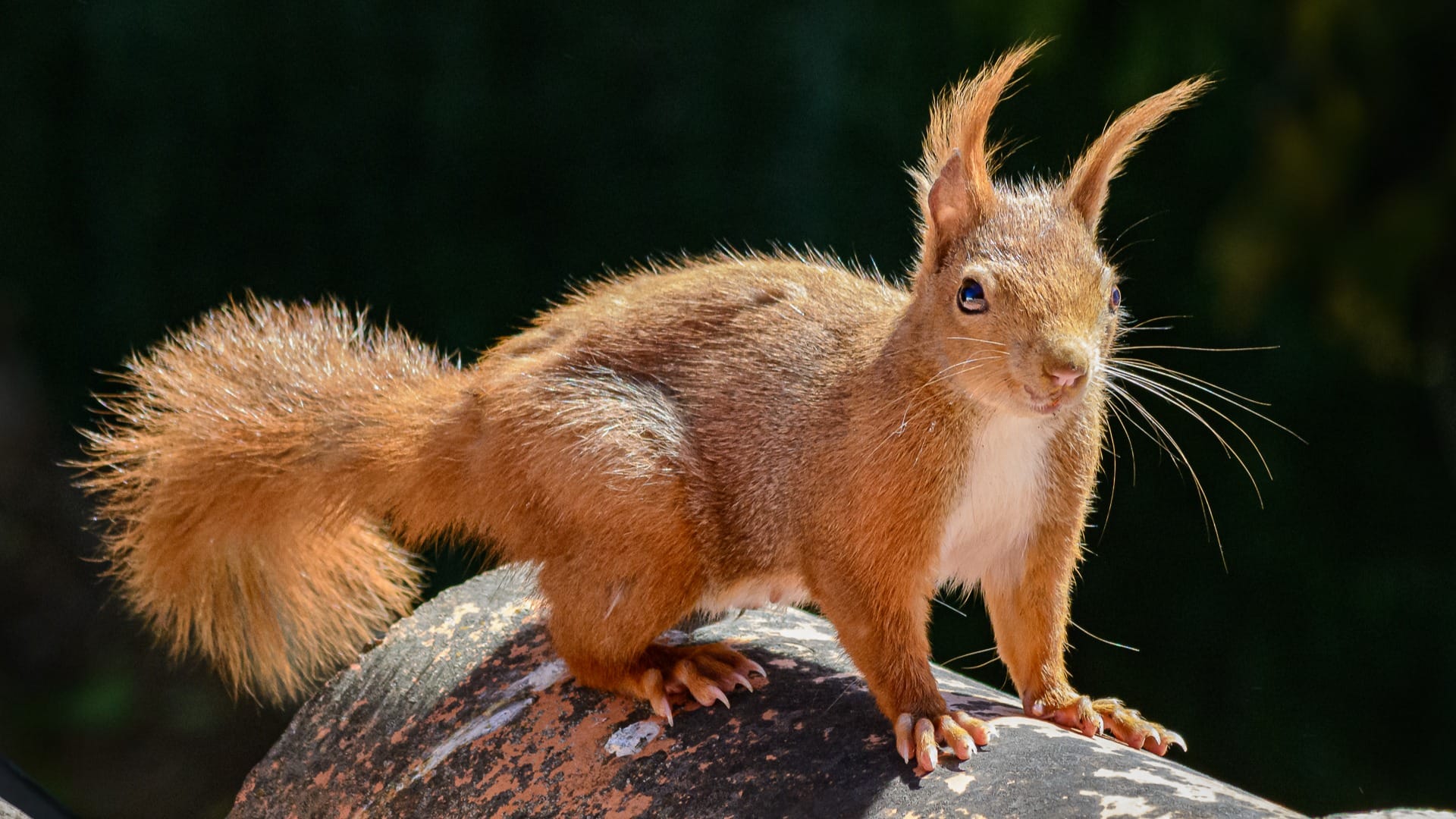
The red squirrel (Sciurus vulgaris in Europe and Tamiasciurus hudsonicus in North America) represents one of nature’s most charismatic arboreal small mammals. Red squirrels have declined considerably due to competition and infection by grey squirrels, a non-native species introduced to the UK in the 1800s. While private ownership of red squirrel is restricted or prohibited in most regions, understanding their husbandry requirements is essential for licensed conservation breeding programs, wildlife rehabilitation centers, and educational facilities working to preserve these declining populations.
This comprehensive guide provides practical, research-backed information for professional keepers engaged in red squirrel conservation breeding and management.
Table of Contents
Quick Facts
- Scientific Name: Sciurus vulgaris (Eurasian), Tamiasciurus hudsonicus (American)
- Common Names: Eurasian red squirrel, American red squirrel, pine squirrel
- Size: 19-23 cm body length (7.5-9 inches)
- Weight: 200-350 grams (7-12 oz)
- Lifespan: 3-7 years in wild; up to 10 years in managed care
- Sexual Maturity: 10-12 months
- Litter Size: 2-5 kits (average 3)
- Gestation Period: 38-39 days
- Weaning Age: 8-10 weeks
- Independence: 12-16 weeks
- CITES Status: Not listed (varies by subspecies)
- Legal Status: Protected species in UK and many European countries; restricted ownership in most US states
- Temperament: Active, territorial, nervous; minimal handling tolerance
Diet in Wild & Captive Settings
Wild Diet
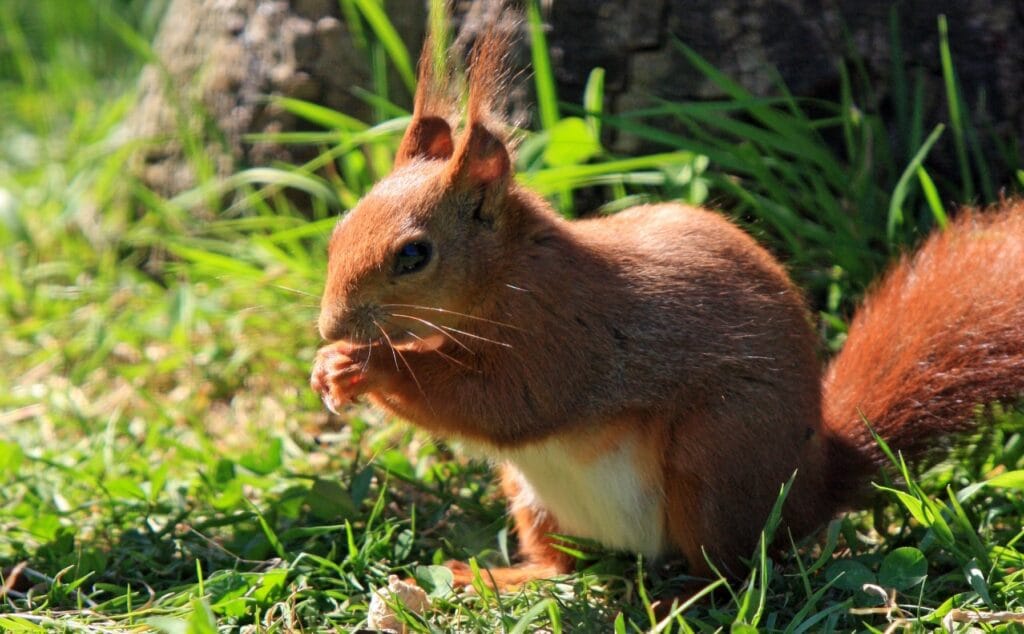
Red squirrels consume spruce and pine seeds, nuts including hazelnuts, beech, walnut and chestnut, acorns, berries, fungus, flowers, shoots, pollen, bulbs, bark and sap tissue. They may also chew on bones and deer antlers as a calcium source. Their diet varies seasonally, with conifer seeds forming the bulk of winter nutrition.
Captive Diet Protocol
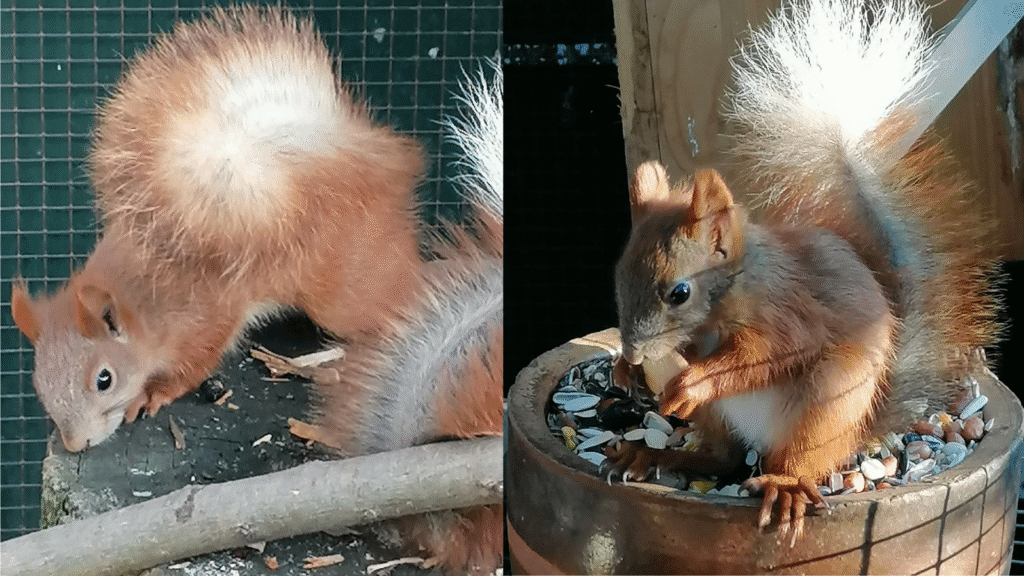
The most suitable foods for red squirrels are hazelnuts in their shells, unsalted peanuts and sunflower seeds, with a recommended mix of 4 parts peanuts to 1 part sunflower seeds. A balanced captive diet should include:
Daily Base Diet:
- High-quality squirrel blocks or rodent pellets (50-60% of diet)
- Mixed nuts in shells: hazelnuts, walnuts, almonds (20-30%)
- Fresh vegetables: leafy greens, carrots, sweet potato, broccoli (15-20%)
- Fresh fruits: apple, berries, grapes (5-10%, limit sugar)
Weekly Supplements:
- Pine cones with seeds
- Fresh browse: willow, hazel, apple branches
- Fungi (when available)
- Hard-boiled egg (protein supplement)
- Cuttlebone or antler (calcium source)
Avoid cashews, excessive sunflower seeds, dried corn, and pine nuts, as these can cause severe calcium loss. Feed twice daily with approximately 40-50 grams total food per adult squirrel, adjusting for activity level and body condition.
Housing & Enclosure Setup
Minimum Space Requirements
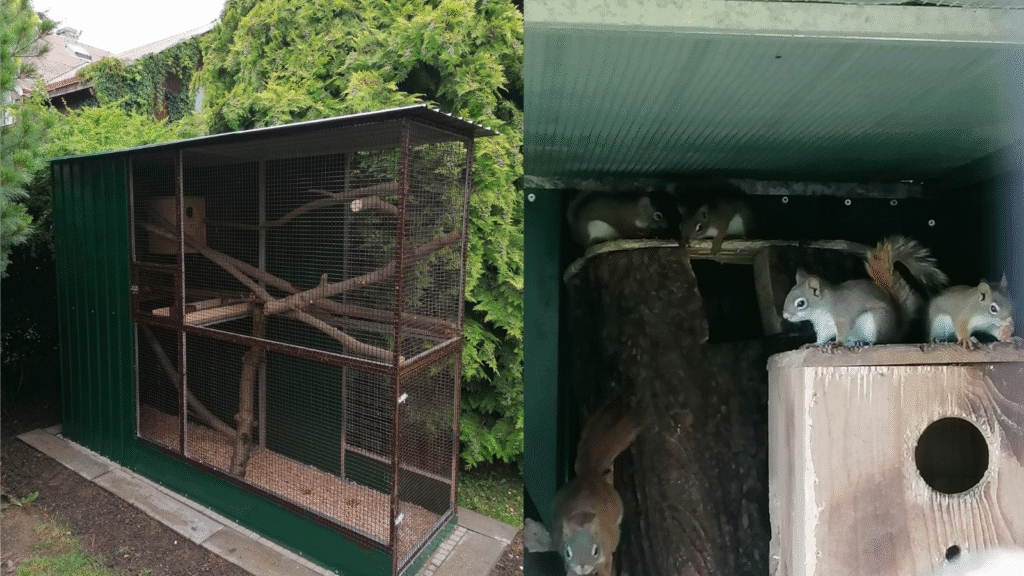
A single animal enclosure requires at least 16 square feet in floor area and 8 feet in height for arboreal species. However, for breeding pairs and long-term housing, larger enclosures dramatically improve welfare and breeding success.
Recommended Dimensions:
- Breeding pair: Minimum 2m x 2m x 2.5m high (6.5 x 6.5 x 8 feet)
- Small colony (3-4 individuals): 3m x 3m x 3m high minimum
- Outdoor flight enclosure: 4m x 4m x 3m high with weather protection
Enclosure Design Elements
Structure:
- Welded wire mesh (12.5mm/0.5-inch maximum spacing) to prevent escape
- Double-door entry system for security
- Weather-resistant roof for outdoor enclosures
- Solid sides or windbreaks for shelter
Interior Furnishing:
- Multiple horizontal branches at varying heights (5-10cm diameter)
- Vertical climbing structures and rope bridges
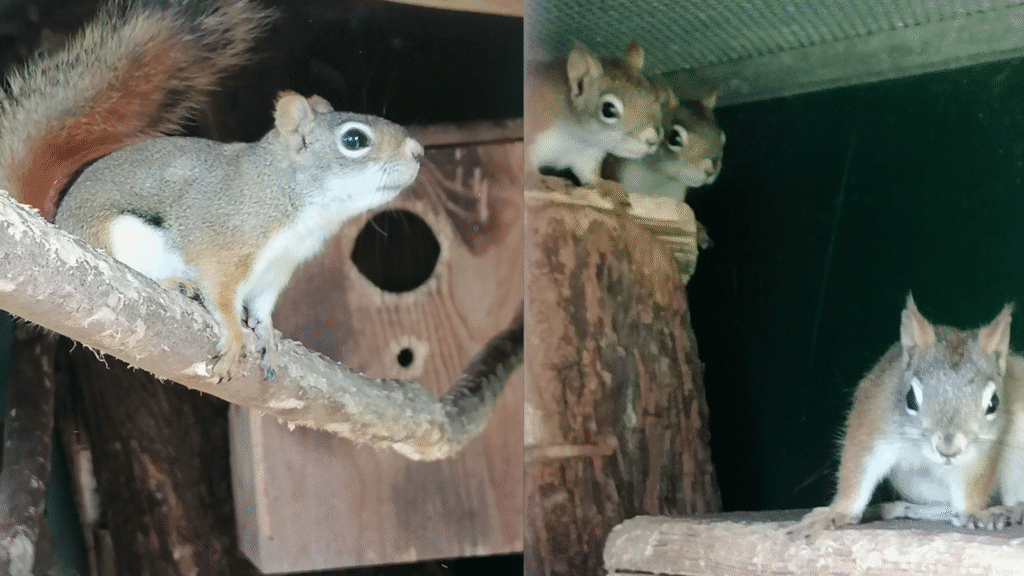
- Multiple nest boxes (minimum 2 per squirrel)
- Platform feeding stations
- Natural substrate: bark mulch, leaf litter
- Enrichment items: pine cones, puzzle feeders, foraging logs
Environmental Requirements:
- Natural photoperiod exposure (critical for breeding cycles)
- Protection from extreme weather
- Adequate shade and shelter
- Fresh water in elevated bowls or bottles (change daily)
Nest Box & Breeding Management
Nest Box Specifications
Provide at least two nest boxes per breeding pair to allow female choice and reduce stress. Box dimensions should be:
- Interior: 25cm x 25cm x 30cm high (10 x 10 x 12 inches)
- Entrance hole: 6-7cm diameter (2.5-3 inches)
- Mounted 2-3 meters high in enclosure
- Made from untreated wood (cedar preferred for durability)
- Hinged roof for inspection and cleaning
Line boxes with natural nesting material: shredded bark, moss, dry leaves, and soft grasses. Replace nesting material between breeding attempts.
Breeding Season & Management
Mating season often starts on warm days in January, with females potentially producing two litters in good years—one in spring (April) and another in summer (August), with an average of three babies per litter.
Pre-Breeding Preparation:
- Increase protein in diet 4-6 weeks before breeding
- Ensure optimal body condition (not overweight)
- Provide extra nesting materials
- Minimize disturbance to breeding area
Breeding Process:
- Males become territorial and vocal
- Chase behavior indicates mating readiness
- Successful pairs will nest together briefly
- Separate males after mating to reduce stress (optional)
Gestation & Birth:
- 38-39 day gestation period
- Females become noticeably less active in final week
- Kits born hairless, blind, and helpless
- Birth weight: 10-12 grams
Post-Birth Management:
- Minimize disturbance for first 2 weeks
- Observe from distance for nursing behavior
- Provide high-quality diet with calcium supplements
- Do not handle kits until 4-5 weeks unless emergency intervention needed
Kit Development Timeline
- 0-3 weeks: Completely dependent, hairless, eyes closed
- 3-4 weeks: Fur developing, eyes begin opening
- 5-7 weeks: Mobile, exploring nest box
- 8-10 weeks: Weaning begins, eating solid food
- 12-16 weeks: Independence, separate from mother
- 10-12 months: Sexual maturity
Conservation & Captive Breeding Notes
Controlled breeding programs serve to maintain healthy populations for release programs or distribution to other captive facilities, while allowing more people to observe these iconic native squirrels. Successful conservation breeding requires:
Genetic Management:
- Maintain detailed studbook records
- Coordinate breeding with regional programs
- Avoid inbreeding (track lineage minimum 3 generations)
- Participate in institutional breeding recommendations
Release Preparation: For animals destined for reintroduction, implement soft-release protocols at 16-20 weeks of age. Minimize human contact from 12 weeks onward to maintain natural wariness.
Record Keeping: Document all breeding attempts, births, deaths, health issues, and behavioral observations. Share data with coordinating conservation organizations.
Health, Parasite Control & Common Issues
Preventive Health Care
- Annual veterinary examinations by exotic-capable veterinarian
- Fecal parasite screening every 6 months
- Observe body condition and weight weekly
- Monitor for dental issues (malocclusion)
- Quarantine new animals minimum 30 days
Common Health Issues
Metabolic Bone Disease (MBD): Most common nutritional disorder. Young red squirrels can suffer from calcium deficiency if fed peanuts in isolation. Prevent with proper calcium:phosphorus ratios (2:1) and vitamin D3 supplementation.
Symptoms: Lethargy, seizures, bone deformities, fractures Treatment: Veterinary calcium supplementation, dietary correction, UV lighting
Dental Malocclusion: Overgrown incisors from inadequate chewing material. Prevention: Provide constant access to branches, antlers, and hard nuts in shells
Parasites:
- External: Mites, fleas, ticks (treat with appropriate ectoparasiticides)
- Internal: Roundworms, coccidia (regular fecal checks, deworm as prescribed)
Squirrel Pox Virus: Fatal disease in red squirrels (grey squirrels are carriers). No treatment available. Strict biosecurity prevents introduction.
Stress-Related Issues:
- Self-mutilation
- Reproductive failure
- Barbering Management: Reduce disturbance, increase enclosure complexity, ensure adequate space
Biosecurity Protocol
- Dedicated clothing and footwear for squirrel area
- Hand washing before and after handling or enclosure maintenance
- Prevent contact with wild squirrels
- Control rodent and insect vectors
- Quarantine all new arrivals
Breeder’s Tips & Checklist
Pre-Breeding Checklist
☐ Breeding pair in optimal health and body condition ☐ Genetic compatibility confirmed (if studbook managed) ☐ Multiple nest boxes installed and provisioned ☐ High-quality diet with calcium supplements prepared ☐ Quiet breeding area established ☐ Emergency contact for exotic veterinarian confirmed ☐ Backup feeding plan if hand-rearing needed ☐ Record-keeping system established
Breeding Success Factors
- Timing: Work with natural seasonal cycles; don’t force breeding
- Compatibility: Allow pair bonding time; not all pairs will breed
- Nutrition: Body condition score 3/5 (visible waist but not thin)
- Space: Larger enclosures correlate with breeding success
- Disturbance: Minimize during courtship and kit-rearing
- Experience: First-time mothers may reject or abandon litters
Hand-Rearing Protocol (Emergency Only)
If kits are abandoned or mother unable to care for them:
- Keep at 32-35°C (90-95°F) until 4 weeks old
- Feed specialized small mammal milk replacer every 2-3 hours
- Stimulate elimination after each feeding
- Wean to solid foods at 7-8 weeks
- Socialize with conspecifics as soon as possible
- Prepare for soft-release protocol if conservation animal
Disclaimer
This guide is intended for licensed conservation breeding programs, wildlife rehabilitation facilities, and educational institutions. Red squirrels are protected wildlife in many regions and require appropriate permits for captive management. Always consult local wildlife authorities and exotic veterinarians before undertaking red squirrel husbandry.
faq
Q: Can I legally keep a red squirrel as a pet?
A: In most jurisdictions, no. Red squirrels are protected wildlife and require special permits for conservation breeding, education, or rehabilitation purposes only. Always check local and national wildlife regulations before considering red squirrel husbandry.
Q: How do I prevent aggression between breeding pair?
A: Provide adequate space (minimum 2m x 2m x 2.5m), multiple feeding stations, several nest boxes, and complex climbing structures. Some individuals are naturally incompatible and should not be forced to breed together. Monitor closely during introduction phase.
Q: How can I tell if kits are being properly cared for?
A: Minimizing disturbance during gestation and early kit development is paramount. Females stressed by excessive noise, handling, or environmental changes may abandon litters. Observe from distance and avoid nest box inspections until kits are at least 4 weeks old.
Q: How can I tell if kits are being properly cared for?
A: Healthy kits are quiet except during feeding time, have rounded bellies, and show steady growth. Mother returns to nest box regularly. Warning signs include constant crying, kits outside nest box, visible ribs, or mother permanently away from nest.