
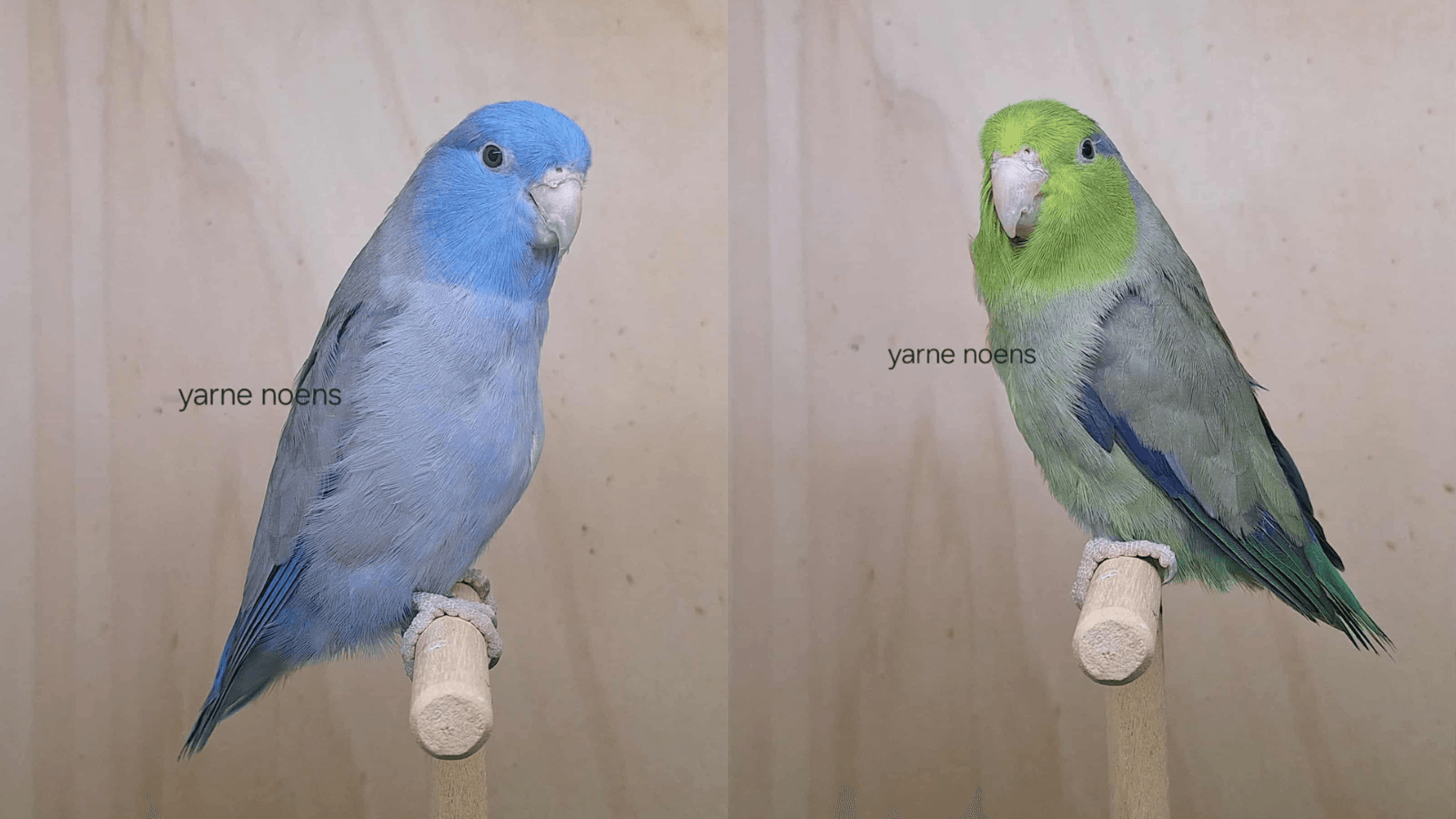
Forpus parrotlets represent the smallest members of the New World parrot family, yet their bold personalities and excellent breeding potential make them favorites among aviculturists worldwide. Native to Central and South America, these pocket-sized parrots have established themselves as prolific captive breeders with strong genetic lines now spanning multiple generations. Whether you’re starting a breeding program or refining your existing colony management, understanding the specific husbandry requirements of forpus species ensures healthy, productive pairs and quality offspring. This comprehensive guide focuses on practical aviculture techniques that experienced breeders employ to maintain robust forpus populations.

Table of Contents
Quick Facts
Scientific Name: Forpus spp. (including F. coelestis, F. passerinus, F. xanthopterygius, F. conspicillatus)
Common Names: Pacific Parrotlet, Green-rumped Parrotlet, Blue-winged Parrotlet, Spectacled Parrotlet
Size: 11–14 cm (4.5–5.5 inches)
Weight: 24–32 grams
Lifespan: 15–20 years (up to 25 in optimal conditions)
Sexual Maturity: 8–12 months (breeding recommended at 12+ months)
Clutch Size: 4–6 eggs (range 3–8)
Incubation Period: 18–21 days
Banding: Day 5–7 after hatching; 3.0–3.5 mm closed bands (species-dependent)
Fledging Age: 28–35 days
CITES Status: Appendix II (most species); permits required for trade
Temperament: Bold, territorial, highly social within species; can be aggressive during breeding season
Sexual Dimorphism
Sexual dimorphism in forpus parrotlets is pronounced and reliable for visual sexing. Males typically display vibrant blue markings on wings, rumps, and/or behind the eyes depending on species, while females exhibit entirely green plumage with minimal to no blue coloration. In F. coelestis (Pacific Parrotlet), males show cobalt-blue rumps and wing coverts; females are solid green. F. passerinus males have brilliant turquoise-blue rumps and underwing coverts. This clear dimorphism allows breeders to pair birds confidently without DNA sexing, though genetic testing confirms breeding potential and helps avoid same-sex pairings in mutation varieties where dimorphism may be reduced.

Diet (Wild & Captive)
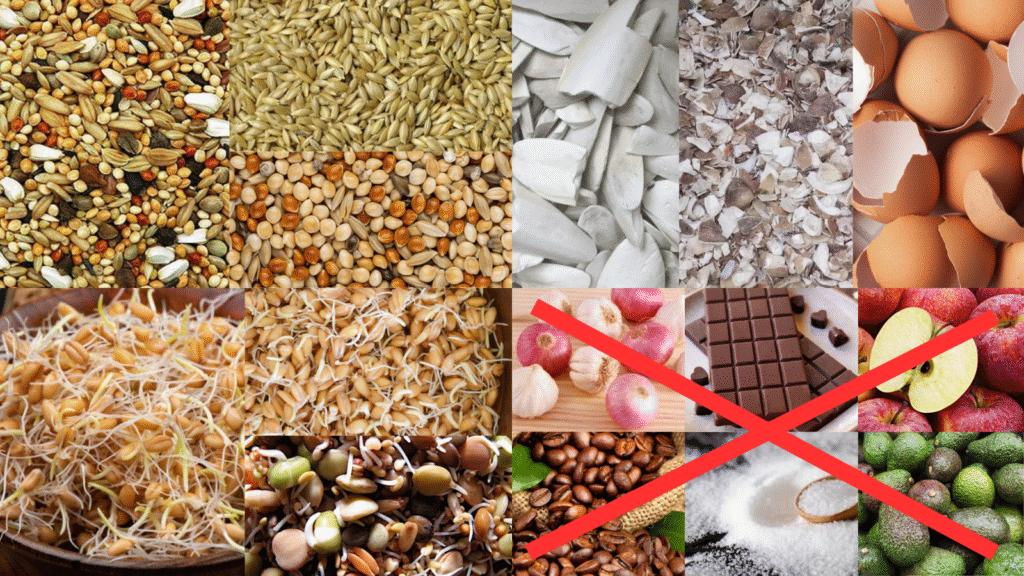
In their natural habitat, forpus species consume grass seeds, fruits, berries, flowers, and leaf buds. Captive diets must replicate this nutritional diversity while supporting the demands of breeding. A quality small hookbill pellet should form 60–70% of the base diet, supplemented with:
- Seed mix: Small millets, canary seed, limited safflower (15–20% of diet)
- Fresh produce daily: Leafy greens (kale, dandelion), carrots, broccoli, peppers, sprouted seeds
- Breeding supplements: Egg food (hard-boiled egg mixed with breadcrumbs), increased protein during chick-rearing
- Calcium sources: Cuttlebone, mineral block, crushed oyster shell (essential for laying hens)
- Limited treats: Millet spray, occasional nuts
Avoid avocado, chocolate, salt, and high-fat seeds as primary foods. Clean, fresh water must be available at all times, changed twice daily during breeding.
Housing & Aviary Setup
Proper housing determines breeding success. Individual breeding pairs require minimum cage dimensions of 60×45×45 cm (24×18×18 inches), though 90×60×60 cm is preferable. Forpus are aggressive defenders of territory; house pairs separately to prevent injury. Flight aviaries of 180×90×180 cm allow exercise and natural behaviors.
Key setup elements:
- Bar spacing: 1.0–1.3 cm (3/8–1/2 inch) to prevent escape
- Perches: Natural branches of varying diameters (1.0–1.5 cm); avoid dowels
- Substrate: Newspaper, paper towel, or corn cob bedding (changed every 2–3 days)
- Environment: Temperature 18–24°C (65–75°F); humidity 40–60%; 10–12 hours natural or full-spectrum lighting
- Enrichment: Foraging toys, shreddable materials, swings (removed during active nesting to reduce disturbance)
Colony breeding is possible in large aviaries (minimum 3×2×2 meters) with multiple nest boxes exceeding pair numbers by 50%, though this increases aggression risks and makes record-keeping challenging.
Nestbox & Breeding Management
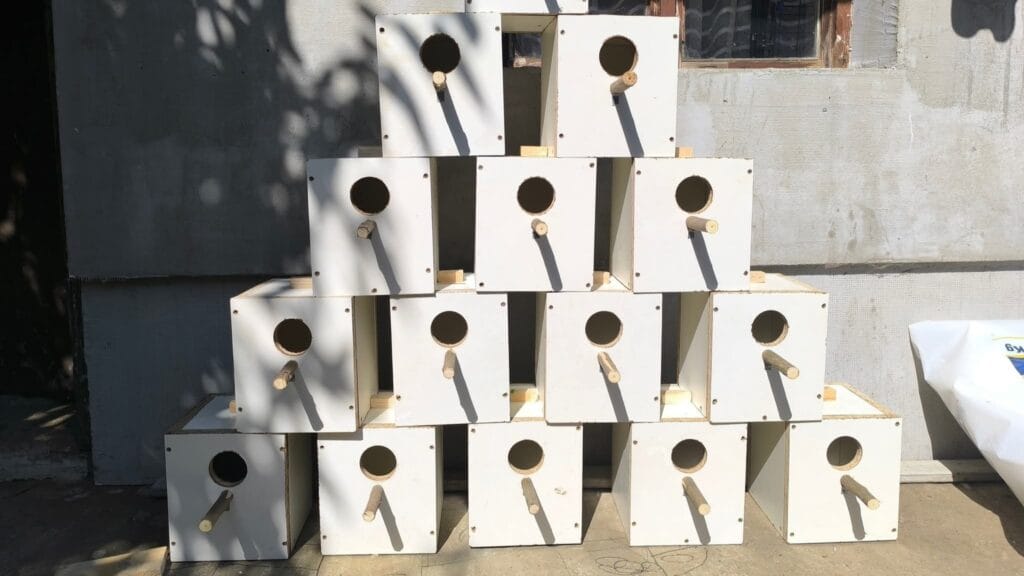
Forpus readily accept vertical wooden nestboxes measuring 15×15×20 cm (6×6×8 inches) with 4 cm entrance holes. Line the bottom with 5 cm of pine shavings or aspen bedding; avoid cedar which is toxic. Hens appreciate privacy; position boxes in quiet, elevated locations.
Breeding protocol:
- Pair bonding: Introduce pairs through wire barriers first; observe for mutual preening and feeding before cohabitation
- Conditioning: Increase daylight to 12–14 hours; provide protein-rich foods 2–3 weeks before breeding
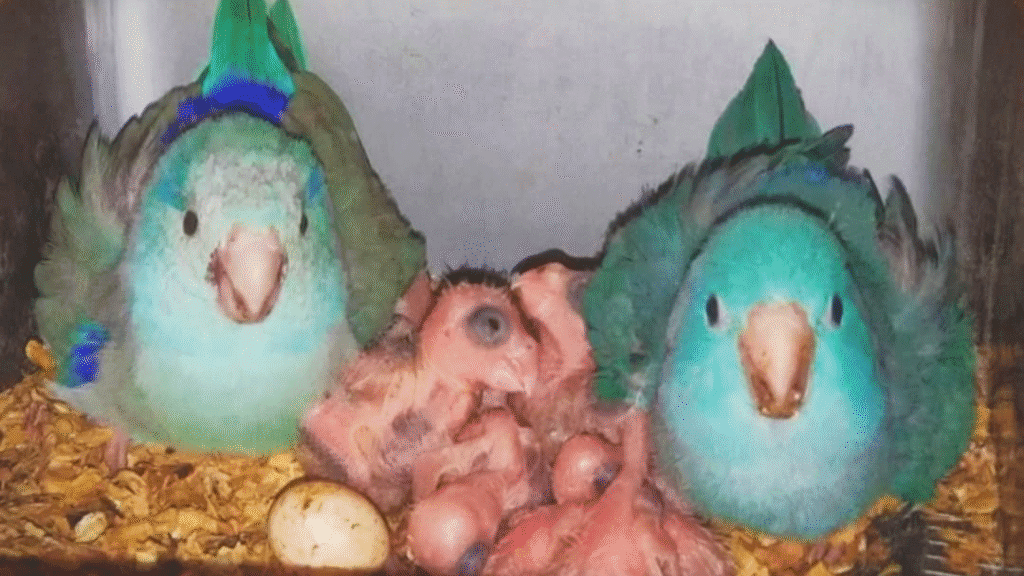
- Egg laying: Hens lay every other day; do not disturb during laying cycle
- Candling: Check fertility at day 7–10 using bright LED light
- Hatching: Chicks emerge naked and blind; hen broods constantly for first week
- Banding: Band between days 5–7 when legs are sufficiently developed
- Weaning: Remove juveniles at 6–7 weeks when fully independent
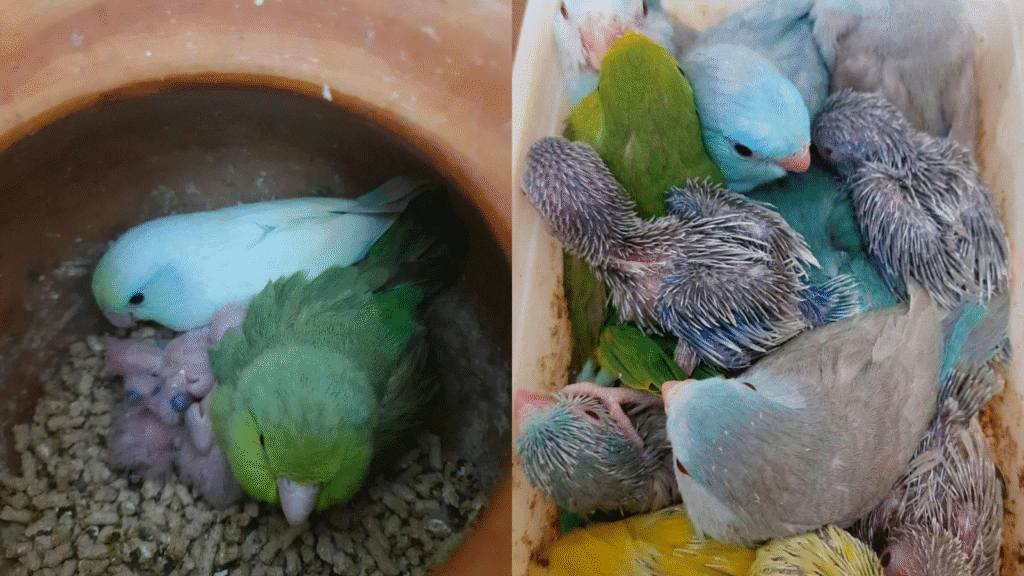
Monitor clutches without excessive handling. Remove pairs after two clutches per season to prevent exhaustion; allow 3–4 months rest between breeding cycles.

Aviculture & Conservation Notes
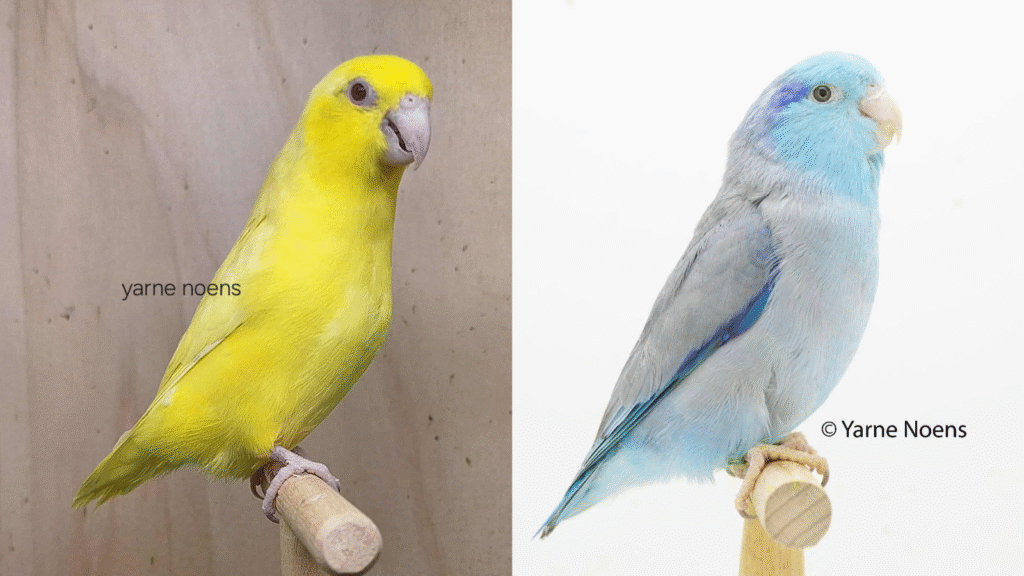
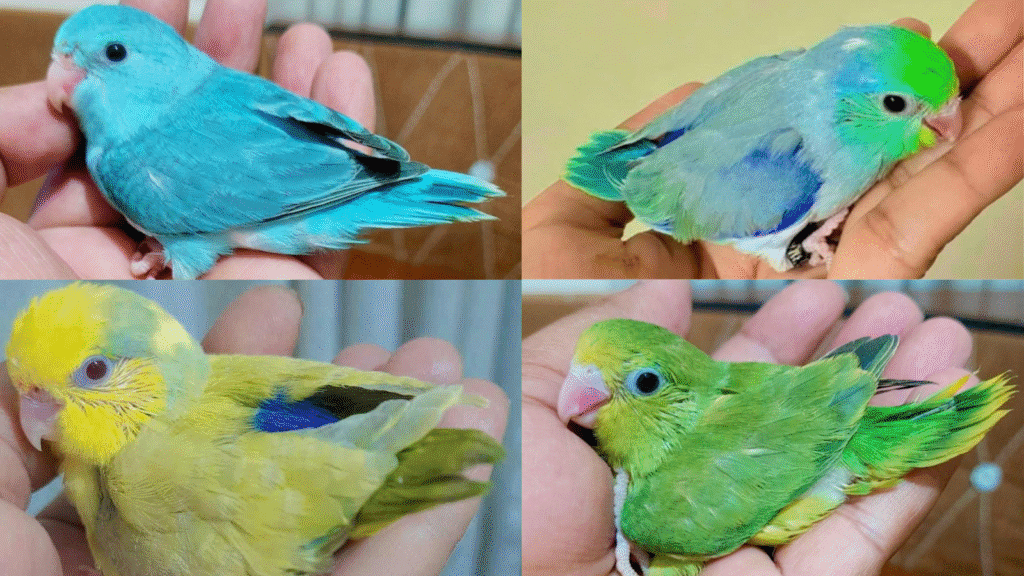
Captive-bred forpus populations are genetically diverse and self-sustaining across most species. Responsible breeders maintain detailed records of lineages to prevent inbreeding depression. Several color mutations (blue, lutino, albino, fallow) have been established in F. coelestis, expanding aviculture interest while maintaining wild-type genetic reservoirs.
While not currently endangered, wild forpus populations face habitat loss pressures. Aviculture serves dual purposes: meeting pet demand without wild capture and preserving genetic material for potential reintroduction programs. All international trade requires CITES documentation; verify local regulations before breeding or selling. Leg bands, health certificates, and accurate record-keeping demonstrate ethical breeding practices.
Health, Parasite Control & Common Issues
Prevention outweighs treatment in forpus health management. Quarantine new birds for 30–45 days with veterinary screening including fecal exams and crop swabs.
Common health concerns:
- Parasites: Roundworms, giardia, air sac mites (treat with avian-safe antiparasitics under veterinary guidance)
- Bacterial infections: E. coli, Salmonella from contaminated food/water (maintain strict hygiene protocols)
- Egg binding: Caused by calcium deficiency; provide supplements and warm, humid environments for laying hens
- Feather plucking: Stress-related; ensure adequate space, enrichment, and dietary balance
- Psittacosis: Zoonotic concern; vaccinate or test breeding stock annually
Veterinary relationships are essential. Schedule annual wellness exams and respond promptly to symptoms like fluffed feathers, nasal discharge, or reduced appetite. Biosecurity measures—dedicated footwear, hand washing, separate equipment—protect entire collections.
Breeder’s Tips & Checklist
Pre-breeding preparation:
- ☑ Verify pairs are 12+ months old and unrelated
- ☑ Conduct health screenings and parasite treatments
- ☑ Condition birds with high-protein diet for 3 weeks
- ☑ Install clean nestboxes with fresh bedding
- ☑ Increase lighting gradually to 12–14 hours
During breeding:
- ☑ Minimize disturbances; conduct nest checks quickly
- ☑ Provide unlimited calcium sources
- ☑ Supplement with egg food when chicks hatch
- ☑ Band chicks on schedule (day 5–7)
- ☑ Monitor parental behavior; foster if needed
Post-breeding:
- ☑ Rest pairs 3–4 months between clutches
- ☑ Record band numbers, hatch dates, lineage data
- ☑ Socialize hand-fed chicks or allow parent-raising for breeding stock
- ☑ Clean and disinfect nestboxes thoroughly before storage
faq
Q: Can different forpus species interbreed?
A: Yes, hybridization between Forpus species is possible but strongly discouraged. Hybrids compromise conservation genetics, may have health issues, and are unmarketable to ethical buyers. Maintain species purity through careful record-keeping.
Q: How do I prevent aggression between breeding pairs?
A: House each pair in separate enclosures with solid visual barriers. Forpus are highly territorial during breeding; even bonded pairs may fight if stressed or if cage space is insufficient. Never house multiple pairs together unless in large colony aviaries.
Q: When should I remove juveniles from parents?
A: Remove young birds at 6–7 weeks when fully weaned and eating independently. Leaving juveniles longer risks parental aggression as adults prepare for the next clutch. House siblings together until 4–5 months old, then separate by sex.
Q: What causes fertility issues in established pairs?
A: Poor diet (inadequate protein/calcium), obesity, stress, advanced age (8+ years), and excessive breeding without rest periods all reduce fertility. Environmental factors like insufficient daylight or temperature extremes also impact reproduction. Allow off-seasons and veterinary evaluations for persistent issues.